A Dutch review board determined that a doctor acted “with due care” in euthanizing a 1-year-old child with severe disabilities. This decision has ignited an international discussion about who should make end-of-life decisions for children unable to voice their wishes.
Expansion of Euthanasia Rules
The toddler’s death occurred in late 2025, and Dutch Health Minister Sophie Hermans reported the case to parliament in June. It marks the first known case under the expanded rules introduced in 2024 in the Netherlands, which now apply to children whose suffering is considered unbearable and untreatable. Dutch regulations require a review of cases involving abortions after 24 weeks and the termination of life for children up to age 12. A multidisciplinary committee, consisting of an ethicist, legal expert, and medical specialist, evaluates whether the physician adhered to standards and reports its findings to both the doctor and law enforcement.
Global Context of Euthanasia Laws
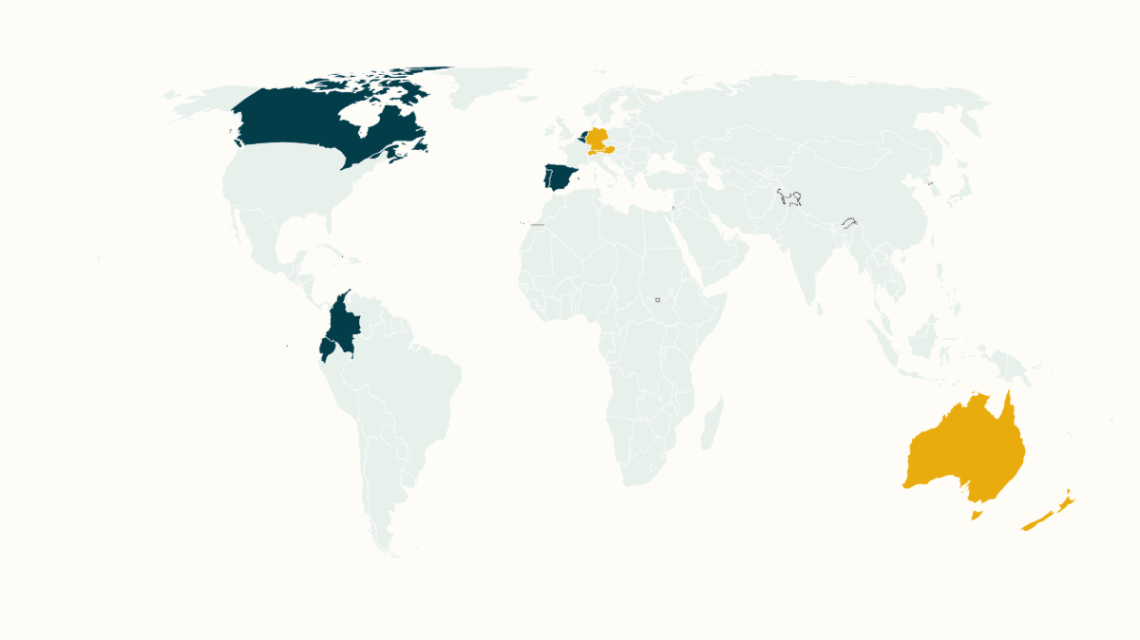
While the Netherlands has one of the broadest assisted-dying laws, other countries like Belgium, Spain, Canada, Colombia, and Ecuador also allow euthanasia or assisted dying under certain conditions.
Case Details
The child’s identity remains undisclosed, but the report describes a diagnosis of severe epilepsy, brain damage, visual impairment, and cerebral palsy. The child was born abroad, severely premature at 26 weeks and 3 days. Discussions about diagnosis, prognosis, and treatment were extensive between the healthcare providers and the parents, considering the child’s worsening condition. Eventually, the parents requested the termination of their child’s life. The physician discussed the process with them, ensuring their decision remained steadfast. Sedatives like midazolam and morphine were administered, followed by coma-inducing drugs, leading to the child’s deep sedation and death.
Approval and Opposition
The treating doctor expressed hope that this ruling could aid similarly desperate families. He emphasized the vulnerability of being a pioneer in such cases, describing it as an “emancipation of the child.” However, other doctors challenged this view, arguing that the child wasn’t suffering continuously and questioned if all medical measures had been exhausted. Cardinal Wim Eijk, leading the Dutch bishops’ conference, criticized the decision by underlining the importance of palliative care as a compassionate alternative.
Implications for the United States
In the United States, euthanasia is illegal, and physician-assisted dying is available only to specific competent adults in a few states. Thaddeus Mason Pope, a law professor, noted that the expansion seen elsewhere might eventually influence U.S. laws. While some U.S. laws allow the withdrawal of life-sustaining therapy under certain conditions, extending it to euthanasia for children remains unlikely. Pope highlighted that most jurisdictions with medical aid in dying require self-decision by the patient, with no current moves to allow such decisions for minors or incapacitated individuals by others.
If you or someone you know is considering suicide, seek help through the 988 Suicide and Crisis Lifeline by dialing 988, texting “988” to the Crisis Text Line at 741741, or visiting 988lifeline.org.
 Physicians Advocate Against FDA Nominee Heidi Overton
  ASU Hockey Coach on Leave After Player’s Collapse
  Managing Parenting Stress: Practical Tips from Cassidy Freitas
  Trump’s Executive Order Targets Mosquito and Tick Control
  Understanding the Impact of GLP-1 Weight-Loss Drugs on Brain Health
  Gene Editing and Ethical Debates at Origin Genomics