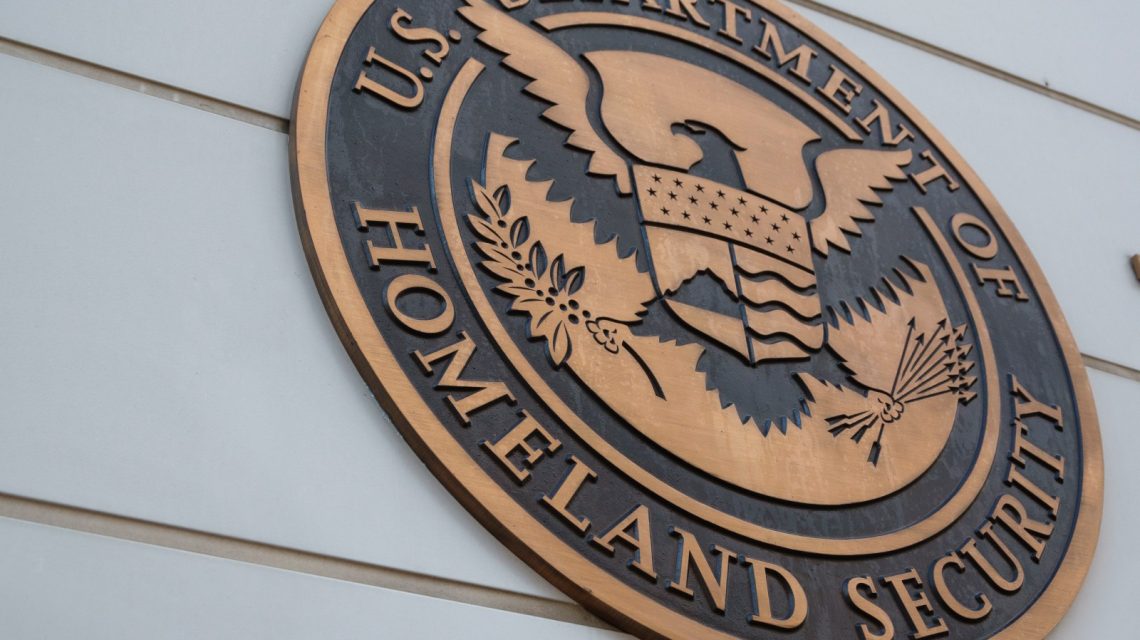
The Department of Homeland Security (DHS) intends to widen the categories of individuals exempt from birthright citizenship, by offering green cards instead. A yet-to-be-published Federal Register filing reveals DHS’s plan to prevent citizenship for children born to foreign government employees under the 14th Amendment. This marks an expansion beyond those born to diplomats or ambassadors.
This development follows a series of initiatives by the Trump administration to limit birthright citizenship, despite a Supreme Court ruling in June affirming that any child born on U.S. soil is an American citizen under the constitutional amendment.
What the Rule Would Do
The DHS proposal would replace current regulations for children of foreign diplomats, with broader coverage of “foreign government employees.” The regulation states that children born in the U.S. to foreign government employees are not under U.S. jurisdiction for birthright citizenship unless one parent is a U.S. citizen.
The new category would affect:
- Foreign diplomatic officers accredited in the United States.
- Employees of foreign embassies or consulates.
- Individuals employed by foreign governments in official roles.
- Employees of international organizations with immunity.
Those affected can apply for lawful permanent residency through an existing immigration process. Upon approval, they would be permanent residents from birth.
David Bier, Director of Immigration Studies at the Cato Institute, criticized the rule, labeling it legally and constitutionally inadequate. He stated that DHS cannot arbitrarily declare categories of people outside U.S. jurisdiction without granting them immunity like ambassadors. The Supreme Court’s decision emphasizes that foreign government employees, except for ambassadors, are subject to U.S. laws and jurisdiction.
Tied to Trump’s Birthright Citizenship Push
This change aligns with Executive Order 14418, signed by President Donald Trump. It directs DHS to prevent citizenship documents for certain individuals born in the U.S. to specified non-citizen parents. The rule reflects the administration’s viewpoint on the 14th Amendment’s Citizenship Clause.
DHS claims children of foreign government employees fall outside this definition when neither parent holds U.S. citizenship.
How It Differs from Existing Diplomat Exception
DHS highlights that this rule expands beyond the traditional diplomat exception. Under U.S. law, children of accredited foreign diplomats do not automatically gain citizenship. Historically, DHS has provided them a path to permanent residency. The new proposal broadens this, covering more embassy staff, consular employees, foreign government workers and some employees of international organizations.
DHS acknowledges that prior regulations excluded only children of diplomatic officers. The new rule significantly broadens this scope. This reinterpretation of jurisdiction under the U.S. legal system will provoke further legal and political debate.
Administration Acknowledges Ongoing Litigation
DHS admits legal challenges persist, citing an injunction from the Casa Inc. v. Trump case. Implementation of the rule will not proceed where it violates court orders, unless the government secures relief from the injunction.
This statement highlights the complex legal environment surrounding the administration’s citizenship policies. It predicts the regulation might become embroiled in ongoing Fourteenth Amendment litigation.
What Happens Next
The rule is slated for publication in the Federal Register on September 9, taking immediate effect as an interim final rule. DHS will open the rule for public comment. It will apply to children born on or after this date, not affecting those born earlier.
The central question awaits courts: will they agree with this more extensive interpretation of birthright citizenship exemptions? Traditionally, diplomats received such exemptions. Now the administration seeks to stretch this to a broader category of foreign government personnel.
As such, the rule transcends mere administrative adjustments, representing another phase in Trump’s broader initiative to redefine birthright citizenship boundaries in the U.S.
 American Public Opinion on Press Freedom
  Media Lawsuit Against Trump Administration for White House Ban
  St. Laurence High School’s Transformative Journey
  The Cost of Challenging Beijing
  Analyzing Midterm Elections and Party Dynamics
  Significant Events in Chicago History on September 21