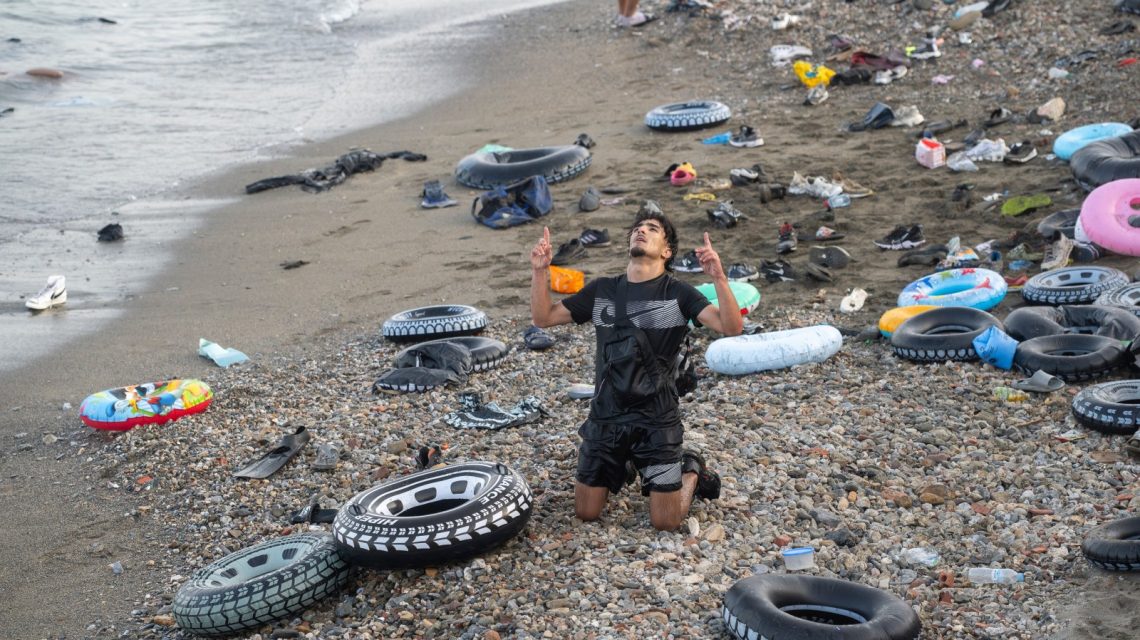
Recent events in Ceuta, Spain have drawn international attention due to a significant influx of migrants. On Friday, images captured soldiers patrolling the border, flotation devices covering beaches, and streets filled with migrants after an unprecedented surge into the North African enclave.
Juan Jesús Vivas, the head of Ceuta’s local government, reported that around 60,000 individuals crossed from Morocco starting Thursday. This figure equates to 70% of the city’s population. Spain’s Interior Ministry noted that approximately 25,000 migrants have since turned back.
By Friday afternoon, at least 43 people had died, as reported by the Spanish news agency EFE, citing police sources. The authorities in Ceuta and Madrid attributed the border surge to a recent ruling by the Spanish Supreme Court. This decision stated that migrants arriving by sea could not be summarily deported, unlike those crossing by land or climbing the border fence.
Spanish Prime Minister Pedro Sánchez visited Ceuta on Friday and attributed the surge to migrant smugglers misinterpreting the court’s ruling. He stated that misinformation spread rapidly through human trafficking networks, leading to the crisis.
Not all agree with this narrative. Some migrant rights activists in Morocco challenged the idea that tens of thousands of migrants were able to learn of the ruling. Achraf Maimouni from the Moroccan Association for Human Rights described the situation as “exceptional,” stating, “The Tarajal border was opened under unusual circumstances this morning and people crossed,” he told the Associated Press.
Spain reacted by deploying more troops and police to Ceuta, while Morocco sent extra officers and water-cannon trucks to manage crowds near the border. Madrid also announced plans to process and return those who entered unlawfully.
The crisis led to immediate international repercussions. Italy and Finland suggested Spain should lose its Schengen area membership, which allows passport-free travel across most of Europe. Finnish Interior Minister Mari Rantanen expressed concerns on social media, stating, “Spain has completely failed to protect the Schengen Area’s external border from infiltration.” She called for European nations to support Italian Prime Minister Giorgia Meloni’s proposal, emphasizing that countries not upholding their border protection duties should not retain Schengen membership.
In the United States, President Donald Trump and Vice President JD Vance criticized the situation, referring to it as “terrible” and “an unfortunate reminder of the consequences of mass migration and radical left-wing globalist policies that have enabled the Invasion of the West.”
The crisis in Ceuta holds significant ramifications both for Spain and broader European immigration policy discussions.
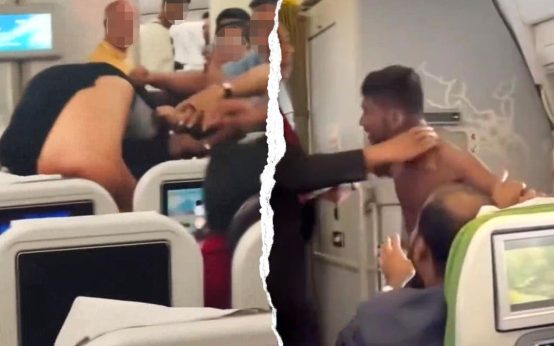 Midair Altercation on Bangladesh to London Flight
 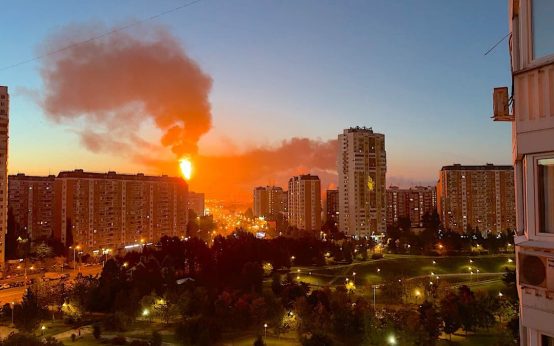 Ukraine Missile and Drone Barrage Hits Russia Amidst Elections
  U.S. Strategic Goals Remain Unmet Amid Prolonged Conflict
  New Photos Reveal Damage from Iranian Strikes in the Middle East
  Assassin of Chilean Diplomat Orlando Letelier Faces Deportation 50 Years After Assassination
  Gorillaz and Macklemore Respond to Controversy Over Israel-Palestine Statements