
Suisun City, a tranquil suburb northeast of the San Francisco Bay Area, recently faced a disruptive cyberattack. With a population of 29,000, the city woke up on Aug. 7 to find its critical public safety systems under threat. Police and fire dispatch services were among those affected by the malicious software, according to officials. City Manager Bret Prebula noted the difficulty in identifying the attackers and speculated that full system recovery might take until Halloween.
In response to the cyber breach, Suisun City took immediate action. The city shut down its IT department and declared a state of emergency. City Hall closed for a week, and 911 dispatchers moved operations to Solano County’s dispatch center in Fairfield. This incident hit a small city already struggling with budget deficits and understaffed municipal departments, adding to the workload and stress of city employees.
Prebula expressed concern about staff burnout, explaining that personnel are working overtime to maintain services seamlessly for the community. Meanwhile, the U.S. Department of Homeland Security and the FBI have launched an investigation, though specifics remain undisclosed.
“It’s like a duck on the pond,” Prebula said. “It looks calm on the surface, but there’s a lot happening underneath that no one sees.”
Suisun City residents, unsure of the breach’s implications for their personal data, are looking for answers. Joan Pivarnik recounted being surprised by a friend’s call about the hack. After confirming the reality of the attack with local authorities, she expressed disbelief that their small community could be targeted.
Russell Dorsey found a YouTube video speculating on Iran’s involvement in the cyberattack, but he dismissed the idea, questioning why such a country would target Suisun City. The notion seemed exaggerated to him given the city’s size and profile.
The mayor and other city officials are cautious, aware of the potential link to a planned expansion involving California Forever, a company funded by Silicon Valley billionaires. The development proposal involves annexing land for a new city, raising suspicions about possible motives behind the attack.
California Forever’s investments in land near Travis Air Force Base have already sparked speculation about foreign interest. Despite this, City Manager Prebula stated there is no evidence connecting the cyberattack to the company.
As the city works to recover, the California Governor’s Office of Emergency Services has stepped in. This attack highlights a growing trend of sophisticated cyber threats targeting small communities, with California strengthening its defenses in response.
Katrina Garcia, a City Council candidate, noted the community’s unease over the coincidence of the cyberattack with California Forever’s controversial plans. This situation has stirred suspicion among residents about the true motives behind these events.
 Recovered Renoir Paintings Show Minor Damage After Theft in Southern France
  Ukraine’s Political Landscape: Potential Presidential Candidates and Challenges
  NATO’s Strategic Plan Against Potential Threats
 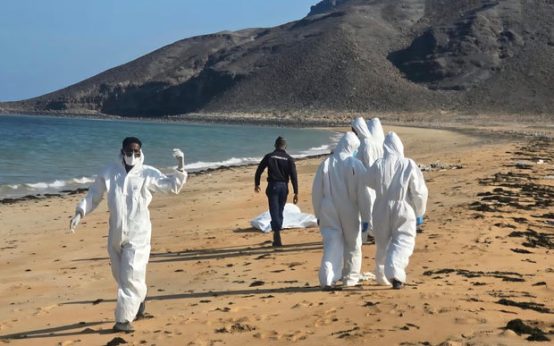 Tragic Boat Capsizing off Djibouti Coast Claims Lives
  Life in Gaza: One Year After the Ceasefire
  Coordinated Global Protests Against Israel