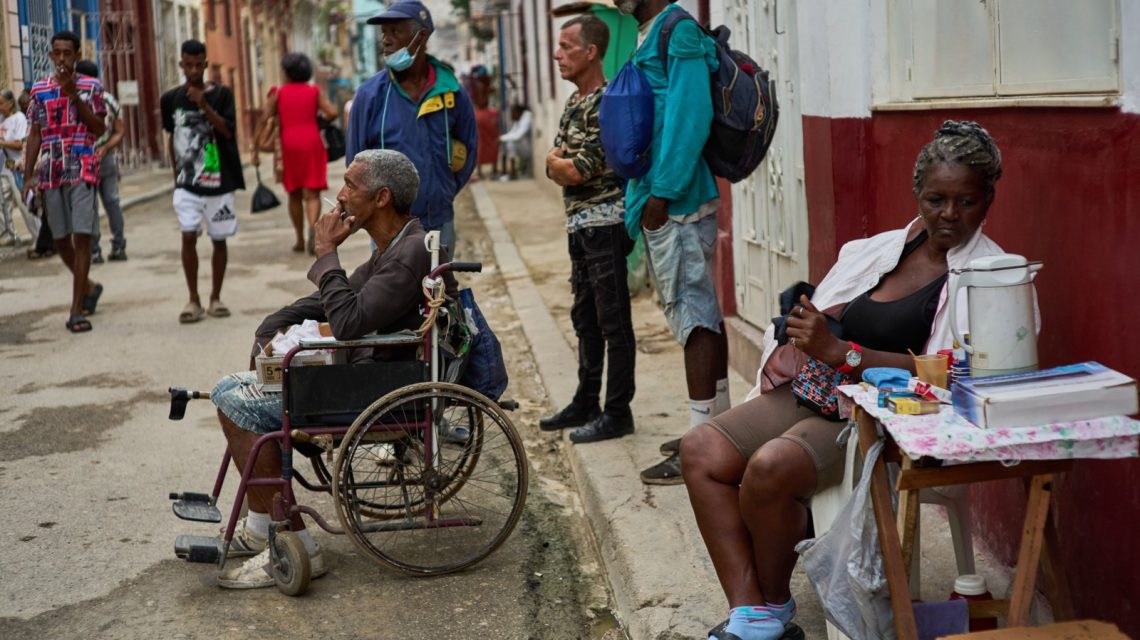
Time travel may be science fiction, but visiting Cuba feels like a step back in time. The U.S. has upheld a 64-year economic embargo against Cuba, attempting to pressure the communist leaders to change. Despite these efforts, Cuba’s government remains steadfast, while ordinary citizens face growing difficulties.
The U.S. and Venezuela
In January, Venezuelan President Nicolás Maduro was unexpectedly captured by the U.S. military. This abrupt event shifted relations between Washington and Caracas. Shortly afterward, the U.S. gained significant control over Venezuela’s oil fields.
Weeks of confident rhetoric suggested Cuba might be next on this agenda. However, with American military efforts redirected elsewhere, Cuba’s priority on the U.S. agenda waned. The expectations that Cuba would quickly follow Venezuela’s path faded rapidly.
The Persistent Strategy
Despite reduced attention, the U.S. continued to increase pressure on Cuba. Economic restrictions tightened, cutting off Venezuelan oil and increasing sanctions. These measures have severely impacted Cuba’s electrical grid, causing lengthy blackouts.
Christopher Hernandez-Roy from the Center for Strategic and International Studies notes that the shift of military focus impacted Cuba’s situation. The unpopular Iran conflict made military action in Cuba politically risky.
President Trump proposes a naval approach to Cuba akin to Venezuela’s. Meanwhile, Secretary of State Rubio emphasizes a gradual strategy, aiming for economic and political changes by 2028.
A Slow Transformation
Rubio plays a longer game, aiming for a Cuban shift from dictatorship to democracy. His approach contrasts with Trump’s immediate victory strategy. Rubio believes in gradual openings, while his strategy unnerves some supporters who prefer drastic measures.
Historian Michael Bustamante points out the frustrations of the Cuban-American community, who are divided over Rubio’s approach versus more aggressive actions.
Cuba’s Resilient Politics
The challenge with Cuba is significantly more complex than with Venezuela. The Cuban government maintains a one-party system, unlike Venezuela’s past multi-party model.
Cuba’s political authority revolves around entrenched officials and military leaders, leaving little room for organized opposition. This structure makes Cuba a tough target for U.S. strategies similar to those used in Venezuela.
Despite economic reforms under U.S. pressure, Cuba shows no signs of making political concessions that Washington demands.
The Economic Strain
As this political standoff continues, Cuba’s economic condition deteriorates, exacerbated by U.S.-imposed restrictions. Shortages in essential goods are rampant, significantly impacting everyday life for Cubans.
Some suggest increasing U.S. pressure might eventually compel change, but risks turning international opinion against the U.S. if humanitarian conditions worsen.
Success for Washington could mean installing a cooperative leader in Cuba. However, Rubio desires a fundamental political transformation, reflecting the goals of many Cuban-Americans.
A Long Road Ahead
While the U.S. seeks changes in resolutions at forums like the United Nations, genuine progress remains elusive. Voting results show minimal shifts in international perspectives on the U.S. embargo.
The ongoing impasse leaves millions in Cuba waiting for substantive change. The current strategies from Washington and Havana fail to promise a better future in the foreseeable term.
 Mississippi State Auditor Shad White Announces Gubernatorial Bid
 Trump Dismisses Third Impeachment Prospects
 Custody Dispute Involving Rep. Max Miller Delayed
 Attorney General Addresses Post-Midterm Democratic Threats
 Senator Elizabeth Warren and the Future of Crypto Regulation
 Bipartisan Opportunities in Foreign Policy