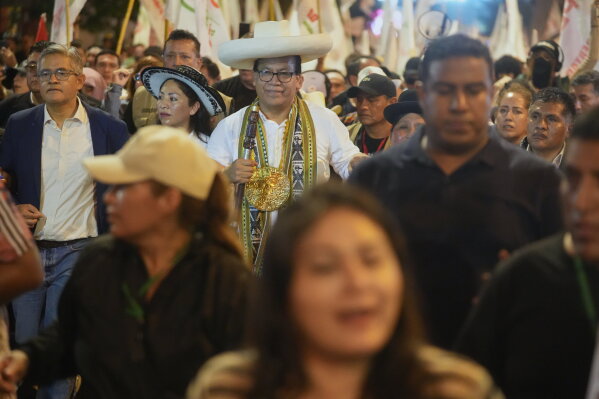
The Cuban Parliament recently approved significant economic reforms. These changes are considered the most substantial since the revolution. Experts view the measures positively, but the country faces challenges due to the U.S. energy blockade.
U.S.-Cuba Relations
Raúl Guillermo Rodríguez Castro, Raúl Castro’s grandson, stated in his first interview since the U.S.-Cuba talks began that Cuba poses no threat to the United States. He met privately with U.S. Secretary of State Marco Rubio in February. In an interview with The National News, Rodríguez Castro emphasized Cuba’s willingness for cordial conversations, assuring that the country seeks a civil and respectful relationship.
Impact of U.S. Sanctions
Since January, Cuba has faced an energy and financial blockade by the United States, exacerbating a crisis that has persisted for five years. This has led to 20-hour blackouts and affected essential services such as healthcare, transportation, industry, and education. U.S. President Donald Trump’s policy aims for a change in Cuba’s political and economic systems. Despite this, Cuban President Miguel Díaz-Canel expressed openness to economic changes but affirmed that the socialist model would remain.
Challenges and Expert Opinions
Experts acknowledge the positive aspects of the free-market measures approved by the Cuban Parliament. However, they stress that implementation could face hurdles. The reforms could dismantle elements believed integral to the revolutionary economy, such as the state monopoly on foreign trade.
Luis Carlos Battista, a Cuban-American political scientist and lawyer, noted that these reforms include space for private businesses and direct import-export capabilities without state mediation. Yet, implementing these changes could be hindered by slow bureaucracy and investor distrust.
Lee Schlenker from the Quincy Institute in Washington highlighted that it remains to be seen how these measures will unfold. He pointed out that U.S. sanctions, like those affecting GAESA’s financial partners, could render many reforms unworkable without their removal.
Paolo Spadoni from Augusta University’s Department of Social Sciences stressed the need for swift reform implementation by Cuban authorities to address the unprecedented crisis and U.S. pressure.
Mixed Reactions from Citizens
Cubans have mixed feelings about the reforms. Adolfo Sánchez, a 63-year-old employee in a private business, expressed optimism, hoping for improvements during the current difficult times.
In contrast, Juana Pérez, a 54-year-old household goods seller, voiced frustration over ongoing challenges like power outages. She doubted improvements, fearing the situation would worsen.
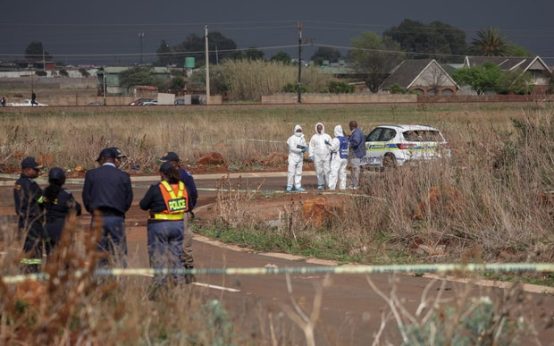 Arrests Over Kempton Park Killings in South Africa
 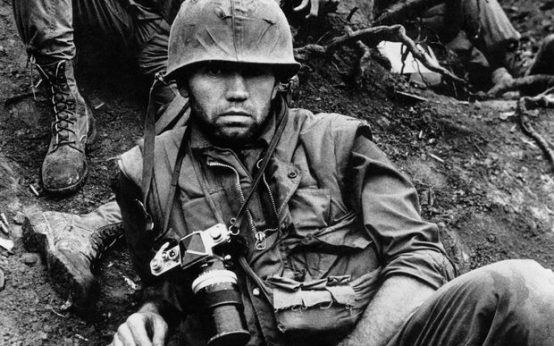 Don McCullin’s Final Book: A Pioneering War Photographer’s Legacy
 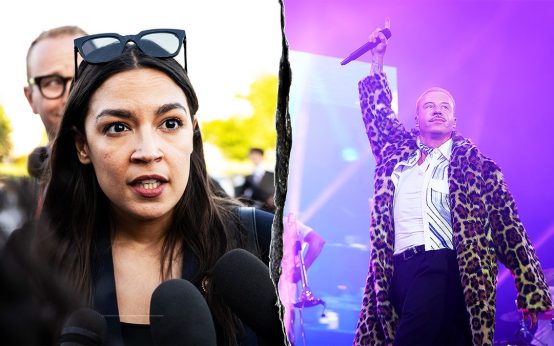 Rep. Alexandria Ocasio-Cortez Defends Macklemore Amid Tour Controversy
  Google Fined for Breaching EU Privacy Rules
  South China Sea Tensions Rise after Collision between Chinese and Philippine Ships
  North Korea’s Hypersonic Weapon Test Amid Global Tensions