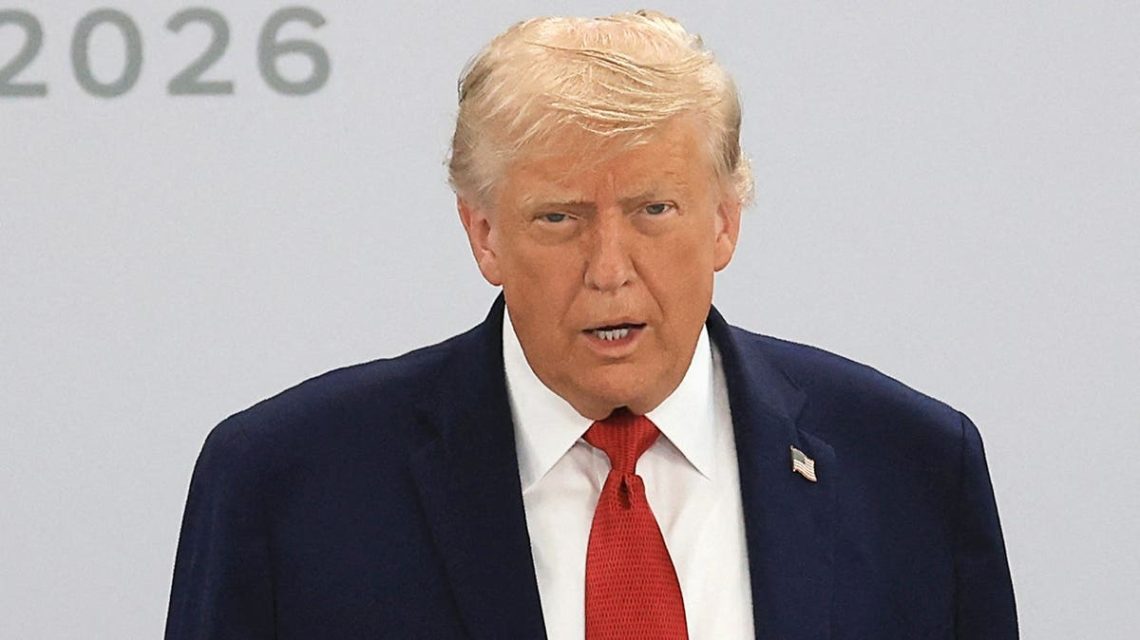
President Donald Trump recently discussed a potential agreement with Iran, calling it ‘a wall to a nuclear weapon’ and described it among the ‘dumbest’ deals. During a bilateral meeting, Fox News’ Harris Faulkner reviewed the main elements of this agreement. These include a 60-day timeline for negotiating a final settlement, a ceasefire in Lebanon, and a halt on new U.S. sanctions.
The 14-point framework unveiled proposes an immediate ceasefire between the U.S. and Iran. Key agreements involve reopening the Strait of Hormuz, lifting the U.S. naval blockade, and offering temporary waivers for Iranian oil exports. The release of frozen Iranian assets is also part of the deal, with a $300 billion economic reconstruction package suggested. Iran also renews the promise not to develop nuclear weapons.
Critics have expressed concern as the deal does not lead to immediate dismantling of Iran’s nuclear facilities. Points of contention include retaining enriched uranium reserves and not addressing Tehran’s missile program or Hezbollah support. Skeptics say the benefits offered outweigh the commitments Iran provides.
Will Chamberlain from the Article III Project criticized the deal, insisting it gave Iran immediate financial incentives without necessary conditions. Mark Levin, known for his conservative radio show, praised military actions against Iran but questioned why leverage was abandoned before Iran met any terms.
AG Hamilton, a conservative commentator, argued the agreement merely offers financial relief without demanding Iran end its nuclear activities. Miles Taylor, a former Homeland Security official, criticized the arrangement as degrading U.S. diplomatic stance. He said it delivers benefits for promises Iran had given before.
Other commentators like Erick Erickson and David Reaboi called the agreement an American surrender. They indicated the deal had leaked days prior, and current details align with previous rumors. Trump’s former Vice President Mike Pence likened the deal to Obama and Biden-era policies, pointing out its appeasement nature.
Nikki Haley, a Republican presidential candidate, labeled the agreement a ‘huge mistake.’ She warned lifting sanctions and unlocking funds could fuel Iran’s nuclear ambitions and empower terrorist proxies. Haley stressed a better approach involved targeting nuclear and missile sites effectively.
Some, however, favor the de-escalation. Broadcaster Piers Morgan appreciated Trump’s exit attempt, though he criticized the lead-up events. He reflected on the non-conformity of this deal with ‘unconditional surrender’ expectations. Overall, reactions are mixed as stakeholders await developments.
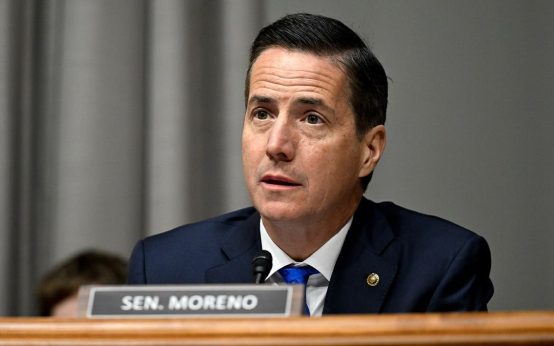 Senator Criticizes Drug Policy After Ohio Tragedy
  Israeli Leader’s Upcoming U.N. Assembly Speech Marked by Controversy
  Republicans Call for Quick Resolution to Iran Conflict
  United States Secures Arctic Defense Pact
  Senator Warren Seeks to Restrict Private Equity in Restaurant Chains
 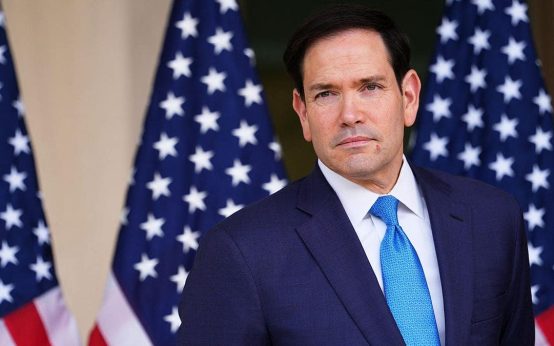 Marco Rubio’s Expanding Role in Trump Administration