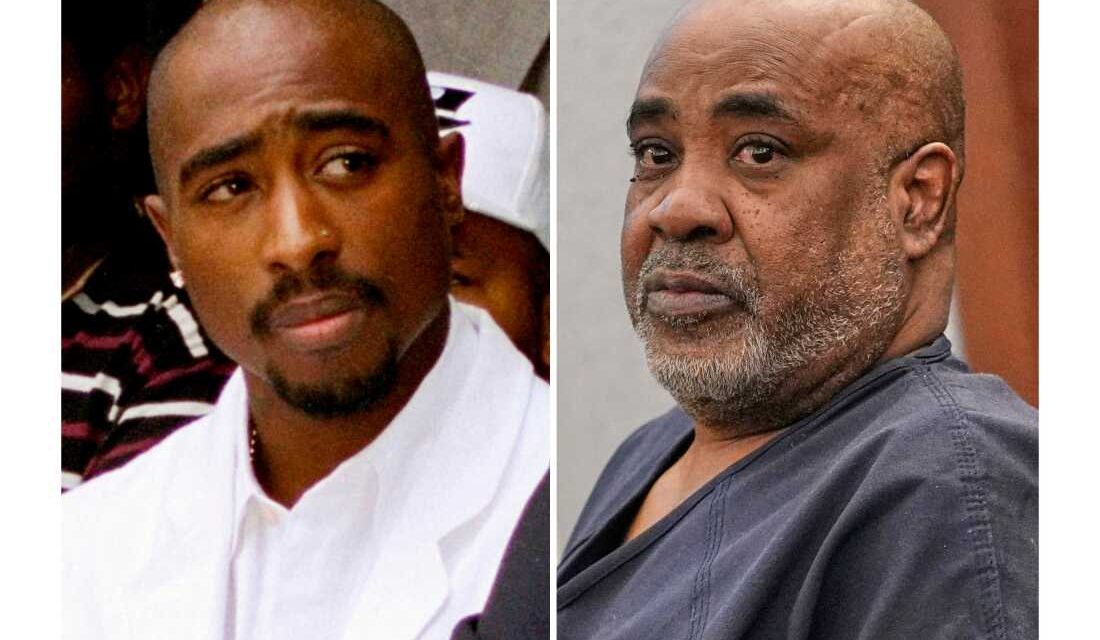
LAS VEGAS — A key decision was made in the ongoing case regarding the death of renowned rapper Tupac Shakur. A Nevada judge ruled that a pivotal 2008 interview involving the accused, Duane ‘Keffe D’ Davis, can be used in his upcoming trial. This trial is set to commence on August 10.
Charged with murder, Davis faces the possibility of life imprisonment without the option of parole if found guilty. Prosecutors allege that Davis orchestrated the killing of Shakur, a case that has long remained unsolved in the United States. The investigation gained renewed attention when Davis made public remarks about the event, even co-authoring a book in which he confessed to being in the vehicle from which the shots that killed Shakur were fired.
Defense attorney Michael Sanft argued against the admissibility of the 2008 interview. According to Sanft, Davis was assured by detectives at that time that the interview would remain confidential and not be used against him in any prosecution. ‘I sang because they promised I would not be prosecuted,’ Davis expressed in his book, “Compton Street Legend.” Despite these arguments, prosecutors emphasized that Davis’s subsequent public statements nullified any confidentiality claimed over the interview.
Davis’s defense also attempted to prevent the use of his book in court, labeling it as a commercialized account that might not represent his true words. Yet, Judge Carli Kierny concluded that Davis had taken ownership of the book. She referenced an interview in which Davis described it as revealing the ‘real truth.’
The 2008 interview has been referenced in other works, such as the book “Murder Rap: The Untold Story of the Biggie Smalls & Tupac Shakur Murder Investigations” by former LAPD Detective Greg Kading. Excerpts from the interview have also been featured in various documentaries, including “Sean Combs: The Reckoning.”
The tragic incident on September 7, 1996, saw Shakur and Marion ‘Suge’ Knight caught under gunfire while stopped at a red light near the Las Vegas Strip. Shakur succumbed to his injuries six days later, while Knight survived with minor wounds. In Davis’s account, he acquired a handgun from a colleague and placed it in the car but withheld identifying the shooter.
During the interview, Davis recounted spotting Shakur that fateful night and admitted his nephew, Orlando ‘Baby Lane’ Anderson, was involved. Anderson, who denied participation, died in a separate gang incident two years later. Witnesses later testified that Anderson did not have an unobstructed line of fire, leading Deandrae ‘Freaky’ Smith to shoot.
Davis recorded his regret over disclosing information to authorities in his memoir, writing, ‘It kills me on the inside to know that I told them anything.’ His remarks continue to fuel legal proceedings that intend to bring closure to Shakur’s enduring case.