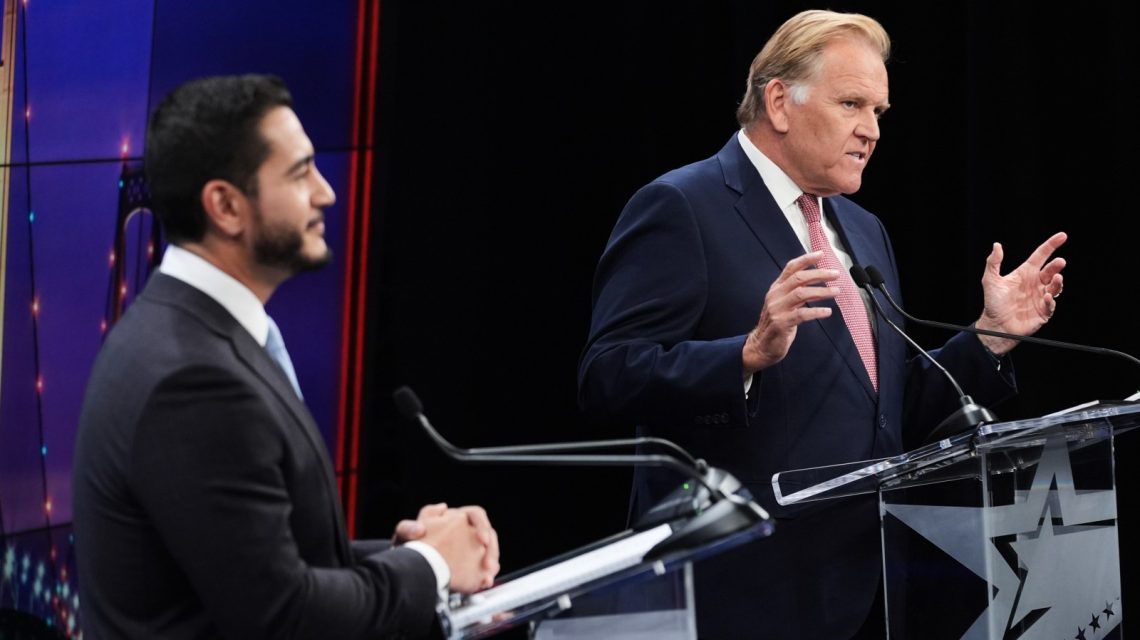
Michigan’s Senate race took a contentious turn during the first debate on Thursday night. Republican Mike Rogers and Democrat Abdul El-Sayed engaged in frequent interruptions and personal attacks as they discussed pressing issues such as healthcare, tariffs, immigration, and foreign policy. The debate took place in Grand Rapids, hosted by NewsNation and WOOD-TV, and saw moderator Rick Albin intervene multiple times to maintain order.
The debate offered a clear view of the contrasting visions these candidates have for Michigan and the nation. Rogers aimed to paint El-Sayed as a radical progressive, cautioning voters about El-Sayed’s potential impact on healthcare costs. El-Sayed countered by linking Rogers to corporate interests and foreign conflicts.
On healthcare, Rogers criticized El-Sayed’s Medicare for All stance, arguing that it would be prohibitively expensive. Meanwhile, El-Sayed defended his proposal, emphasizing that families could retain private insurance while ensuring universal health coverage without the burden of medical debt.
The debate grew increasingly personal as Rogers questioned El-Sayed’s use of the title “doctor,” with El-Sayed responding by scrutinizing Rogers’ wealth and campaign donations. Further exchanges involved Rogers’ alleged political reversals, especially concerning trade tariffs with Canada, and accusations of personal wealth accumulation through congressional service.
Despite the heated exchanges, both candidates concluded the event with a handshake. The debate showcased the intense competition in one of the nation’s most watched Senate races.
Analyzing Debate Impact
Determining a winner in political debates can be subjective, with voters likely interpreting the exchanges through partisan views. Rogers mostly concentrated on portraying El-Sayed as overly liberal, focusing on the alleged economic risks of his policies. Conversely, El-Sayed frequently returned to themes of affordability, highlighting concerns about everyday expenses like gas prices, groceries, and healthcare.
Current Polls
Recent polls indicate a tight race, with El-Sayed narrowly leading Rogers. For instance, a Quantus Insights poll conducted in early October shows El-Sayed ahead by 1 percentage point. Other surveys have also reflected close competition, underscoring Michigan’s status as a key battleground in the midterms.
Ongoing Campaign Dynamics
The Senate race has captured national attention, marked by sharp exchanges not only during the debates but also on the campaign trail. Rogers previously lost a Senate race to Democrat Elissa Slotkin and is making another attempt in a state where Republicans have not won since 1994. El-Sayed, after winning a challenging primary, is focusing on uniting Democrats and appealing to independent voters.
The debate followed Rogers’ ad criticizing Trump’s tariff stance, becoming a focal point during the exchanges. Both candidates face unique challenges in swaying moderates and swing-state voters, navigating complex political shifts.
Significance of the Michigan Race
The Senate seat left by Democratic Senator Gary Peters is open, presenting a crucial opportunity for both parties. Republicans aim to secure a Senate win in Michigan after decades, whereas Democrats strive to defend a progressive platform and retain control.
The second debate is scheduled for October 21, with expectations of continued intense exchanges.
 Georgia Senate Race: Jon Ossoff vs. Mike Collins
 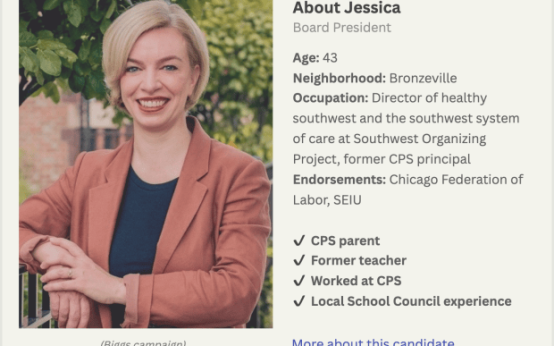 Chicago School Board President Election: Candidate Overview
  NYC Mayor Calls for End to ICE Enforcement After Shooting
 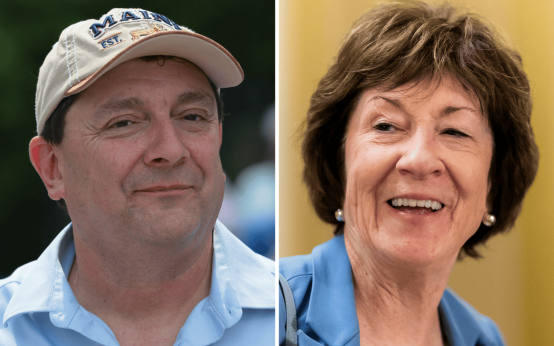 Collins and Jackson Clash in Maine Senate Debate
 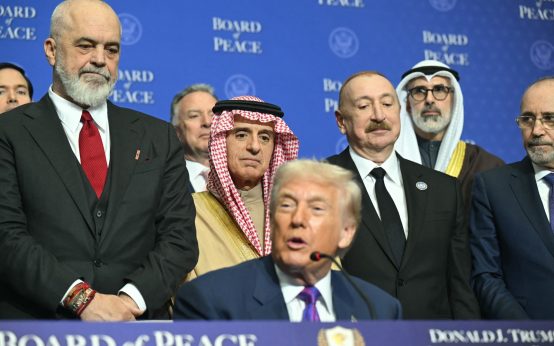 Trump’s Nobel Peace Prize Aspirations and Current Contenders
  Trump’s Approval Rating Drops as Democrats Gear Up for Midterms