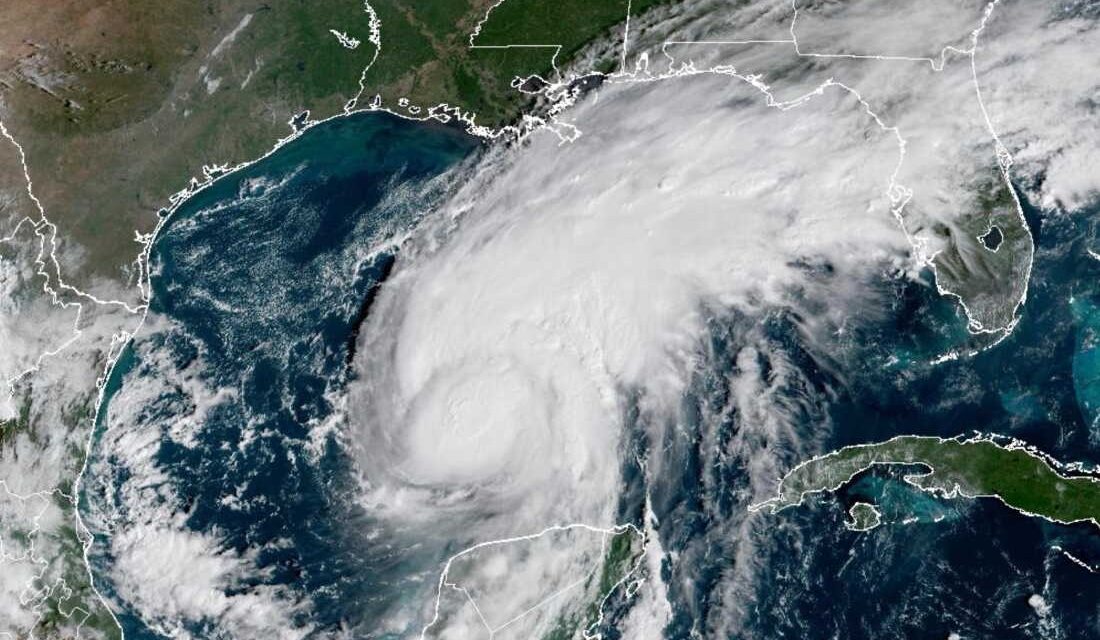
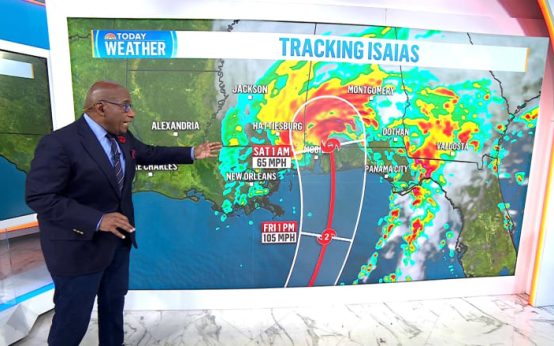
MIAMI — Hurricane Isaias intensified to a Category 2 storm as it moved toward the U.S. Gulf Coast on Thursday, October 8, 2026. Authorities have ordered tourists to evacuate the beaches and move to safe locations inland. Residents are preparing by stocking up on gas and groceries, while fishing crews secure their boats before the storm arrives.
Forecasters anticipate the hurricane will rapidly intensify and cause dangerous conditions in the Florida Panhandle, southern Alabama, and southern Mississippi when it makes landfall late Friday or early Saturday. Heavy rain and flooding are expected to impact areas up to Tennessee and North Carolina through the weekend.
“We are expecting Isaias to be a dangerous hurricane when it makes landfall,” said Michael Brennan, director of the National Hurricane Center in Miami.
Isaias has maximum sustained winds of 105 mph (165 kph), surpassing the threshold for a Category 2 storm. The hurricane is moving northeast at 14 mph (22 kph) and is located about 260 miles (415 kilometers) south of the mouth of the Mississippi River. A hurricane warning is in effect from Ocean Springs, Mississippi, to the Bay-Gulf County line in Florida. A storm surge warning extends from the Mississippi River to the Suwannee River.
Preparations Underway
Coastal communities are swiftly preparing. Alabama Gov. Kay Ivey has ordered non-residents to evacuate Gulf Shores, Orange Beach, and Dauphin Island. Social media videos show traffic congestion as people leave Gulf Shores, where double-red beach flags indicate closed water access. At least four Florida school districts have canceled late-week classes, and counties have mandated evacuations for some coastal areas. Governors of Florida and Alabama declared states of emergency for numerous counties. Florida’s Ron DeSantis anticipates about 5,000 National Guard troops to mobilize by Friday.
On Dauphin Island, officials encourage voluntary evacuations. Mayor Jeff Collier said, “These things are very fickle and a little jog here or there, or some last-minute increase in strength — we just have to be prepared for the worst.” Water from storm surges and high tide could rise to 5 to 7 feet (1.5 to 2 meters) in parts of Alabama and Mississippi. Isaias could deliver up to 15 inches (38 centimeters) of rain on coastal areas and trigger tornadoes from Alabama to the Florida Panhandle and southwestern Georgia. The hurricane should weaken quickly after landfall. The National Weather Service warns of potential long-duration power outages.
The Hurricane Formed Late in the Season
Isaias formed late in the Atlantic hurricane season, nearly tying a 121-year-old record for the latest-forming hurricane in the region. The current record is from 1905, when the first hurricane formed on October 8. A strong El Niño has kept this year’s Atlantic hurricane season unusually quiet, disrupting storm formation. In contrast, the Pacific has seen above-average storm activity, with Hurricane Simon projected to intensify to a Category 4 hurricane. Tropical Storm Rachel is expected to reach Baja California, Mexico, and Southern California this weekend.
Isaias is approaching a coastline familiar with major hurricanes. Hurricane Camille in 1969 killed more than 250 people after landfall near Waveland, Mississippi. Hurricane Katrina in 2005 destroyed neighborhoods in Mississippi, flooded New Orleans, and caused nearly 1,400 deaths. Hurricane Michael in 2018 devastated Panama City, Florida.
Oil Production and Tourism Impacted
In anticipation of the storm, oil and gas producers have suspended a substantial portion of offshore production in the Gulf, which accounts for almost 15% of U.S. crude oil production annually. As of Thursday, about 63% of oil production had been halted, removing nearly 1.3 million barrels daily from the market, according to the Marine Minerals Administration. Over 120 of the Gulf’s oil platforms have been evacuated. While oil prices remain high, past Gulf hurricanes have caused larger disruptions. Jim Burkhard from S&P Global Energy expressed concern about Isaias potentially striking refineries.
The storm may also disrupt Saturday’s college football game between Georgia and Alabama, which President Donald Trump plans to attend. In Loxley, Alabama, residents like Nichole Eubanks are taking precautions for their livestock. Eubanks stated, “It’s definitely scary, and you never really know where these storms are going to go and how bad it’ll be until it gets there.”
In Bayou La Batre, fishermen Tony Rice and Lance Connor are securing their boats to prevent damage. Pensacola, Florida officials announced the closure of the airport to commercial flights starting Friday morning. Mayor D.C. Reeves reminded residents to check on older neighbors and those needing assistance.
“Obviously no need to panic at this point,” Reeves emphasized, “This is really about preparation.”
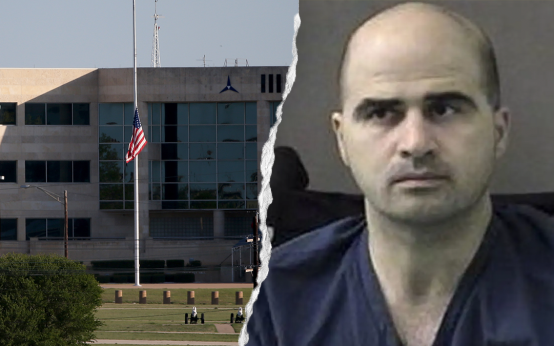 Military to Livestream Execution of Nidal Malik Hasan
 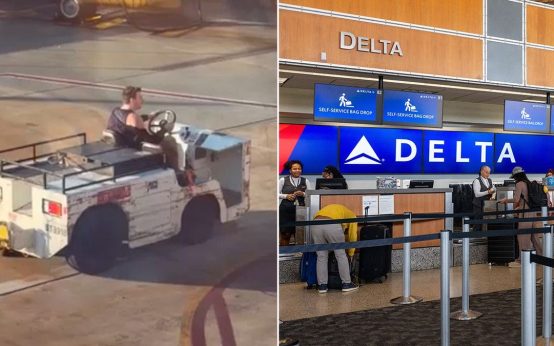 Rampage at John Wayne Airport: Reckless Tug Theft Incident
  President Trump Urges Minnesotans to Resist Somali Immigrants
  Pete Hegseth Advocates for Public Execution of Fort Hood Shooter
 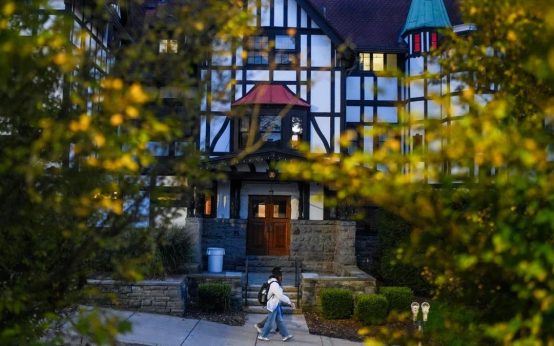 Cornell’s Handling of Sexual Assault Case Under Scrutiny
  Hurricane Isaias: Impacts and Preparations