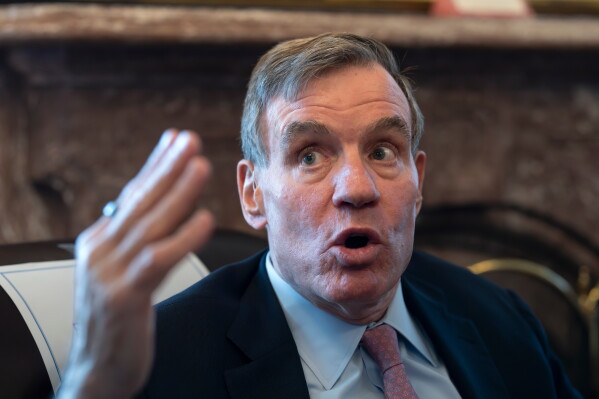
On Capitol Hill, Republican leaders are seeking additional information regarding the recent agreement between the United States and Iran, announced by President Donald Trump. These leaders have expressed skepticism and are requesting the White House to provide further details.
The agreement, revealed on Sunday, is aimed at ending the conflict in Iran. It is expected to be officially signed on Friday in Geneva. Core elements include reopening the Strait of Hormuz and lifting the U.S. naval blockade in the region. Additionally, the agreement offers financial incentives to Iran upon meeting specified benchmarks.
Both Republican and Democratic senators, having reconvened in Washington on Monday, highlighted a lack of information about the deal. They emphasized the need for comprehensive briefings before the agreement is finalized. Senate Majority Leader John Thune, R-S.D., expressed uncertainty, stating that even those closely monitoring the situation know little about the deal.
“I just don’t know enough about it,” Thune remarked, underscoring the need for more information.
While congressional leaders and intelligence committees typically receive high-level briefings prior to other members, Thune mentioned he has not been personally briefed yet. He highlighted concerns about compliance and enforcement of the deal.
GOP senators echoed Thune’s concerns. Senator Thom Tillis of North Carolina questioned the secrecy of the deal, while Vice President JD Vance assured that its text would be released soon. Until then, Iran will not receive any funds without meeting its obligations.
Several senators have voiced questions regarding the deal’s details. President Trump has not yet outlined how the agreement addresses Iran’s nuclear program, particularly in terms of compliance verification and the management of uranium believed to be hidden underneath nuclear sites targeted by U.S. strikes last summer.
The memorandum also refers to the possible release of Iran’s frozen assets, sanctions relief, and a $300 billion fund for rebuilding Iran if conditions are met.
Senator John Kennedy, R-La., expressed cautious optimism but awaits the final document before forming an opinion.
A Senate vote may arise due to a review law from the Obama era, requiring any U.S. deal concerning Iran’s nuclear material to be submitted to Congress, though not mandatorily for a vote.
Senator Lindsey Graham, an ally of Trump, remains skeptical of the agreement. He insists that Congress should review and vote on it.
“The way Iran describes it, it’s awful. The way we describe it, it makes sense,” Graham stated, urging lawmakers to examine the agreement thoroughly.
Vance, in response, cautioned against paying heed to Iranian hard-liner propaganda and insisted on trusting the actual agreement.
The Iranian Supreme Leader, Mojtaba Khamenei, and the country’s Revolutionary Guard maintain significant influence. Yet, Vance claims improved communications with Iranian officials have fundamentally altered the relationship.
Congressional next steps remain ambiguous. Many Senate Republicans wish to review the deal but the possibility of a vote is uncertain.
Senator Eric Schmitt of Missouri advised against a vote, suggesting a preference for avoiding ongoing conflict. In contrast, Senator Ted Cruz of Texas commended Trump’s actions against Iran, affirming his belief in these measures making America safer.
Senator James Lankford, a member of the Intelligence Committee, emphasized continued steps before any deal reaches Congress.
Senate Democrats questioned the agreement’s potential benefits over past U.S. positions and how it differs from the 2015 JCPOA deal. Senator Mark Warner noted past international cooperation in the JCPOA, while Senator Elizabeth Warren probed the ongoing Iranian nuclear efforts and the status of sanctions.
Senator Tim Kaine viewed the end of the costly, unpopular conflict as favorable but called for more details.
The discussion continues as Congress awaits further information on the specifics of the U.S.-Iran agreement.
Michelle Price contributed to this report from Washington, with Bill Barrow from Alpharetta, Georgia.
 America’s AI Competition with China Sparks Debate Amidst Coordinated Campaigns
  Trump’s Remarks on Ukraine-Russia War Casualties and Peace Efforts
  Tony Blair Warns Europe to Maintain U.S. Alliance
 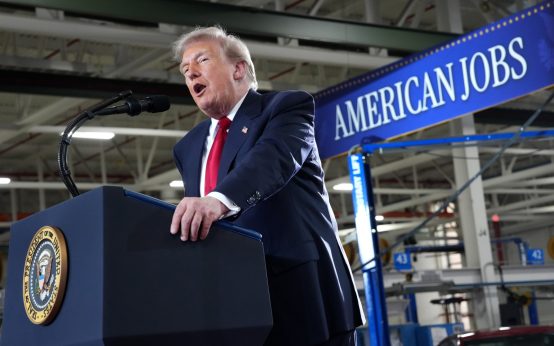 Trump Claims New Fuel Economy Standards Will Reduce Car Prices
 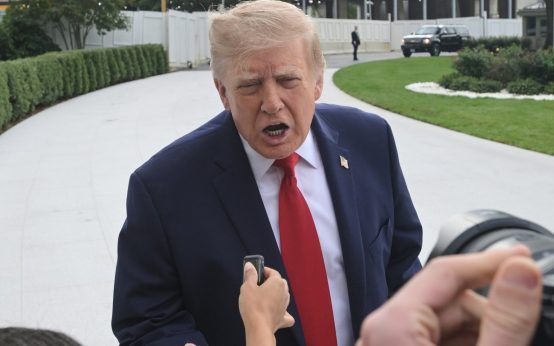 Trump TV Trademark Could Impact Government Use
 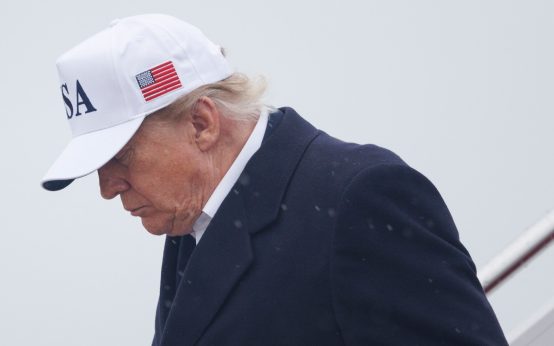 Trump Faces Record Low Approval As Midterms Approach