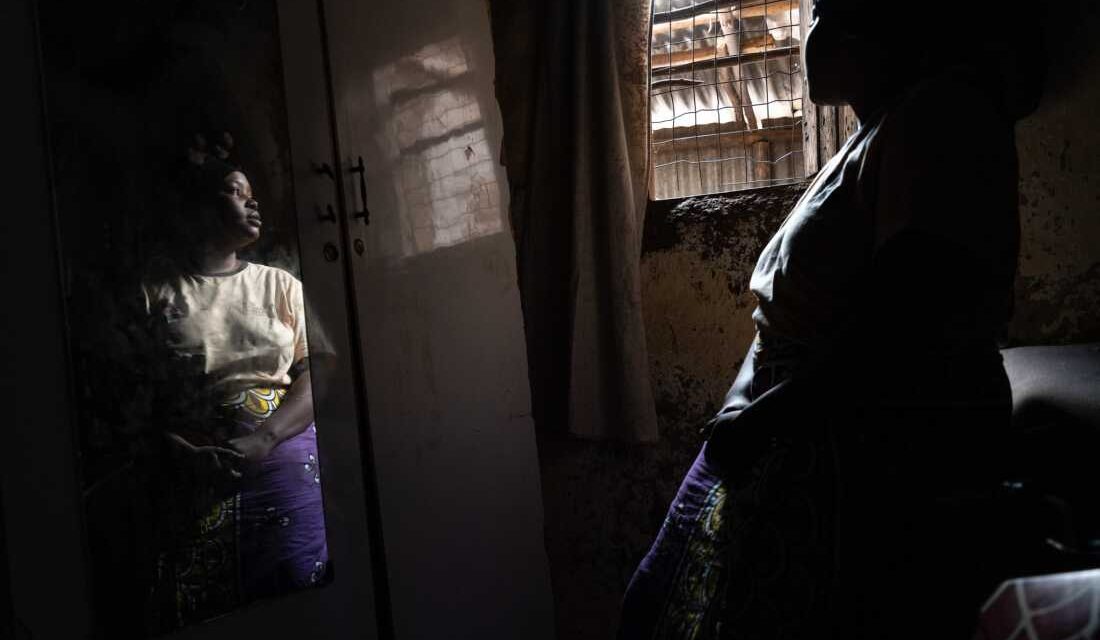
Zubedah Hassan, 32, resides in Kibera as a champion for the Stop Sex for Water program. She urges women and girls to report sexual violence linked to water access. She comments, “The main problem is poverty. Some girls save money on water by doing favors for vendors.” Another significant issue is drought, with children waking early in search of water, risking attack on their routes.
Early mornings in Kibera, Saly Amutwayi opens her hair salon, a place with frayed hairstyle posters on faded blue walls. The salon is located in Kibera, Africa’s largest slum near Nairobi, Kenya. Before clients arrive, she speaks with her friend Mariam Hassan. Women in Kibera like them spend hours collecting water, often facing sexual violence in the process. “When there is no water,” Amutwayi says, “everything becomes dangerous.”
In informal Kenyan settlements, residents lack legal land titles or formal infrastructure such as piped water. They rely on private vendors for water, who control prices and access. This dependency fosters a risky environment for women unable to afford water, who may face coercion into sextortion. Amutwayi styles Hassan’s hair while sharing their concerns. Hassan, a mother, worries about her young daughter, saying, “I will not send her to get water in the evening because of what I experienced.” She emphasizes the importance of educating the young girls in Kibera about sexual harassment.
Amutwayi believes men must be included in these discussions. “The boys need classes. While women typically understand, men need to learn,” she insists.
After years of advocacy, Kenya’s Parliament took up the issue in 2024, marking a significant acknowledgment of gender-based violence related to water access. This was seen as progress by campaigners, although much work remains.
Daily Risks in Water Accessibility
Kenya’s Constitution assures citizens of clean and safe water access. However, in Kibera, public water systems rarely reach homes. Residents purchase water by the jerrycan from kiosks or street vendors, often at fluctuating and financially burdensome prices. Billy Misuga works at a government water kiosk in Kibera, noting, “People fight for water. I let them fill even if they can’t pay.”
Water scarcity worsens during prolonged droughts, raising costs and increasing the risk of harassment and violence as women attempt to procure water. During one such shortage, Amutwayi faced harassment when unable to fully pay for water. Three men commented on her appearance before attempting to assault her, but neighbors intervened. She didn’t report the incident based on advice from those who helped her, as no actual harm befell her.
Hassan encountered a similar threat when misled from a water queue, nearly becoming a victim of rape before neighbors rescued her. Both women live in fear, with Hassan confiding only in her brother due to embarrassment.
Addressing Sextortion
Local groups like KEWASNET’s Stop Sex for Water initiative document abuse linked to water scarcity and support survivors. Frequent reports detail harassment and coercion, with nightly options like “flying toilets” and public toilets lacking safety measures. “We educate women to seek justice,” says Susie Njeri, a Stop Sex for Water advocate. Increasing drought exacerbates the problem, heightening dependence on body trade to secure water. Joan Kones from KEWASNET asserts, “Sextortion thrives where services are scarce and accountability weak.”
Challenges in Reporting
Malesi Shivaji, KEWASNET CEO, acknowledges that many survivors don’t report due to fear of retaliation, stigma, or belief in police inaction. She notes, “These crimes are normalized in Kibera; even victims fear they’ll be villainized if they speak.” Community health promoter Judith Shitabule encourages women through counseling and education, emphasizing their legal rights. “Saying no is hard when your family needs water,” she explains.
Water Scarcity: A National Crisis
This issue extends nationally, affecting 19 million Kenyans, with urban and rural areas experiencing the largest deficits. In Kibera, unreliable supply and variable prices worsen conditions. Global organizations like Transparency International and the U.N. caution against treating water as a commodity, opening doors to exploitation.
Political Efforts and Resistance
Parliamentary efforts in 2024 focused on sextortion legislation. Despite acknowledgment, a proposed bill failed as existing sexual offense laws were deemed sufficient. Advocates disagree, pushing for focused legal and infrastructural reforms to remediate root causes of exploitation.
Cartel Dominance and Corruption
Cartels wield control over water distribution in Kibera, capitalizing on municipal pipe access. A cartel leader, Wycliffe Otiala, claims police avoid interfering, as shutting water supply impacts the entire community. “Police rank high in corruption,” a survey reports, affirming their notorious reputation.
Kibera’s cartels enforce informal justice systems, retaining power amidst governmental neglect. Residents like Peter Munyao confirm the lawless power cartels hold over resources.
Marginalized Groups and Water Access
Transgender people face additional hurdles in water access. A transgender man recounts harassment and refusal of service, often paying others to collect water to avoid abuse.
His account highlights broader discrimination within scarce resource distribution, where exclusion exacerbates vulnerability.
Future Hopes
Security concerns persist for residents like Hassan, who seeks a safer future for her daughter by shielding her from water-related risks. Amutwayi continues fetching water, avoiding previous attackers, and maneuvering within frightening environments.
Despite adversity, residents strive for change, hoping future generations may avoid current hardships through improved infrastructure and equitable resource distribution.
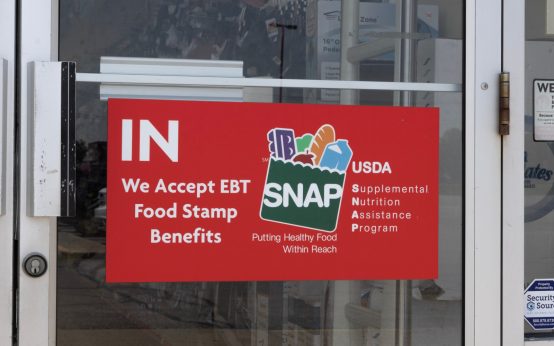 SNAP October Payments and Changes in Enrollment
  Historical Highlights of September 22 in Chicago
 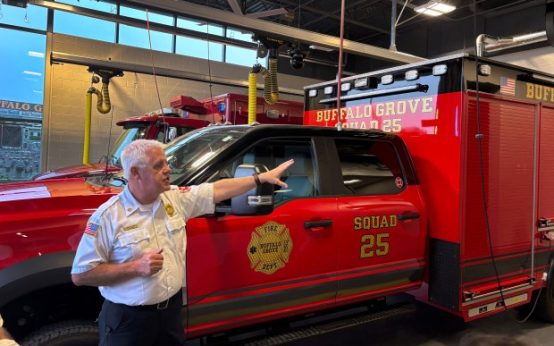 Buffalo Grove Fire Station 25 Embraces Modern Safety and Efficiency
  Air Traffic Communication Breakdown Disrupts Northeast Airports
  Gen Z’s Early Workforce Success Compared to Millennials
 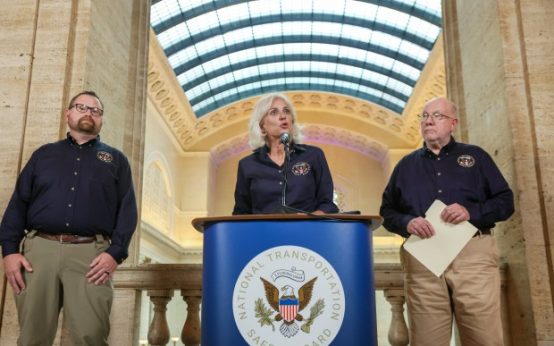 NTSB Launches National Campaign for Railworker Safety in Chicago