Background and Supreme Court Decision
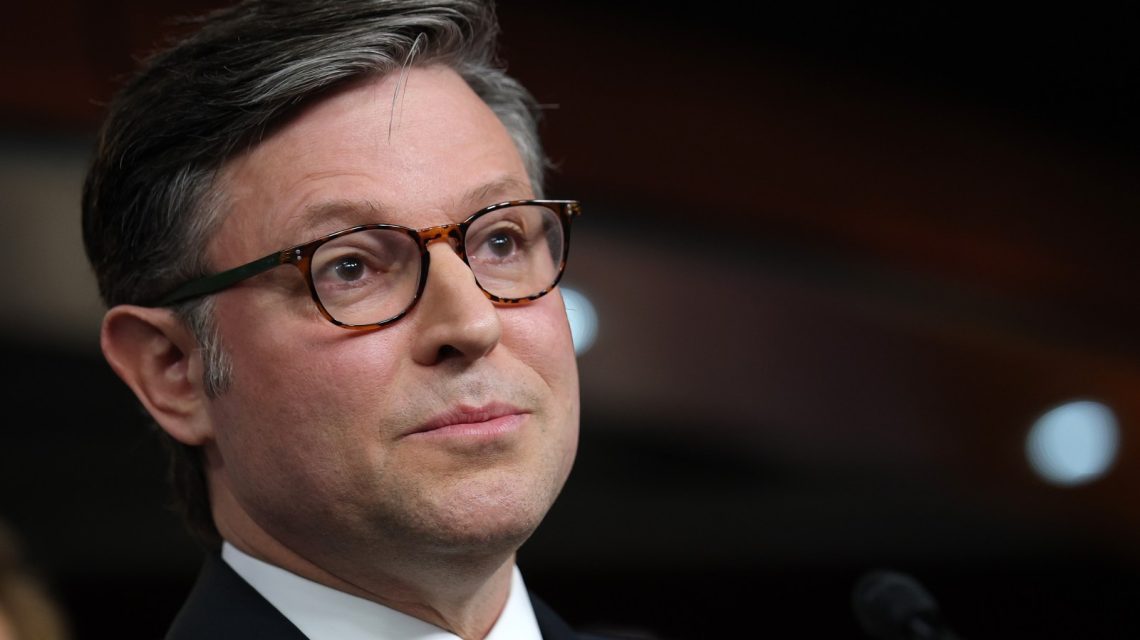
House Speaker Mike Johnson has called for Congress to address the issue of birthright citizenship following a Supreme Court decision. The court ruled against President Donald Trump’s executive order that aimed to limit this practice. Johnson, representing Louisiana, emphasized the need for legislative action after the court preserved automatic citizenship for children born in the U.S., regardless of their parents’ immigration status.
The Supreme Court’s 6-3 decision marked a significant legal defeat for Trump. Chief Justice John Roberts reaffirmed that children born in the United States are citizens at birth, as outlined in the 14th Amendment’s Citizenship Clause. This decision upheld a precedent set by the 1898 case United States v. Wong Kim Ark, which confirmed citizenship for children born on U.S. soil to immigrant parents.
Republican Response and Legislative Intent
Johnson argued that the current system is being exploited through “birthright tourism.” He suggested that Congress should act quickly, indicating a willingness to advance legislation if a viable option emerges. This call comes shortly after Trump’s executive order was invalidated and as Republicans consider a new strategy on the issue.
Trump urged Congress to take immediate legislative action to end birthright citizenship, claiming no constitutional amendment is necessary. He maintained that the 14th Amendment was meant to protect the rights of formerly enslaved individuals, not to provide automatic citizenship to children of undocumented immigrants or temporary visitors.
Debate Among Conservatives
Johnson’s remarks situate him in a debate among conservatives on whether Congress can address birthright citizenship through legislation or if a constitutional amendment is necessary. Some Republicans propose redefining what “subject to the jurisdiction” of the U.S. means, while others believe altering the Constitution is the only solution.
Missouri Senator Eric Schmitt, with a legal background, indicated that legislation cannot resolve the matter and announced plans for a constitutional amendment. Johnson acknowledged that a constitutional amendment might be needed eventually.
Justice Dissent and Implications
Justice Clarence Thomas, in dissent, criticized the ruling for expanding the 14th Amendment’s meaning. He argued that the decision devalues American citizenship, resonating with conservatives frustrated by the ruling. Justice Samuel Alito also dissented, contending the Citizenship Clause was not intended for broad application.
Historical Context and Future Actions
The Supreme Court’s ruling against Trump highlighted the precedent set in Wong Kim Ark’s case. Wong, born in San Francisco in 1873, successfully challenged the government after being denied reentry to the U.S. This case has significantly influenced American citizenship law.
With the court preserving birthright citizenship, discussions on legislation, future litigation, or constitutional amendments continue. While some legal experts predict a constitutional challenge to any legislative action, Republicans are determined to explore their options.
 The Impact of Arts and Closure on Democracy
  U.S. Ambassador Comments on Iran War Duration Amid Political Concerns
  US-China Relations Under Scrutiny: Expert Warns of Escalating Tensions
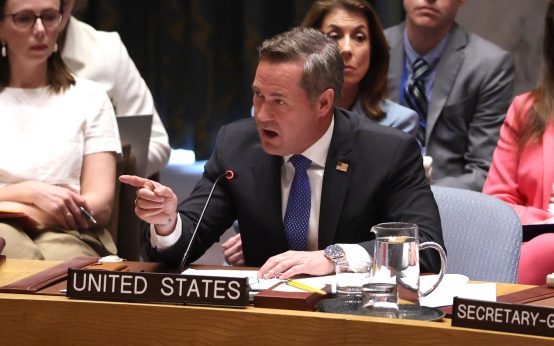
  No Timeline for End of Iran Conflict
  German Chancellor Merz Vows to Pursue Reforms Despite Election Setbacks
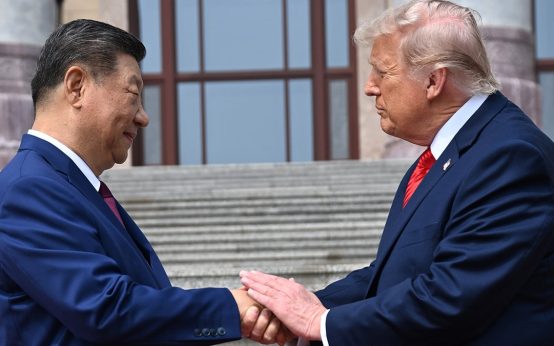
 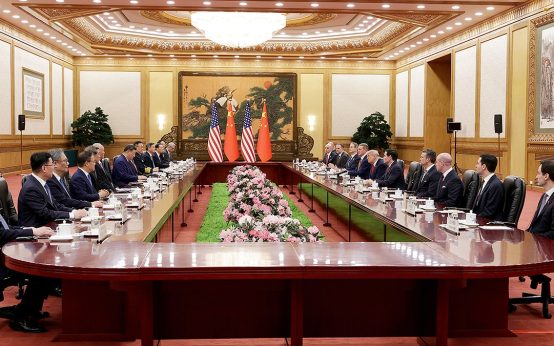 The Technology Rivalry: Trump’s Meeting with Xi and the AI Ecosystem Clash