
The phrase “Grow the game” frequently appears on social media, especially concerning sports like hockey or golf. Recently, college football announced plans to expand its playoff from 12 to 24 teams in hopes of broadening its appeal. This decision has sparked debate over its implications for the sport’s integrity.
Critics argue that expanding the playoffs could undermine the significance of the regular season, once considered the most meaningful in sports. Despite acknowledging these concerns, it’s essential to examine the broader implications of such expansions in college football.
Expansion and Its Impact
The College Football Playoff (CFP) was initially designed to improve upon the outdated BCS system, leading to a shift from a four-team model to twelve. Now, some propose a jump to 24 teams. This progression raises questions about limits and principles guiding these expansions.
College football’s evolution mirrors that of the NFL, seen in conference expansions and increased player transfers. Supporters of the larger CFP argue that aligning more closely with the NFL’s postseason structure makes sense. But these changes risk altering the core identity of college football.
The Original Attraction of College Football
Historically, college football may not have been America’s most popular sport, but it was heavily cherished. Fans were passionate, with a focus on regional loyalty and tradition. Those who did not appreciate its nuances were free to ignore it, fostering a tight-knit and fervent fanbase.
The push for mass appeal might attract a broader audience but could dilute the game’s cultural value, appealing to the lowest common denominator.
Financial Drivers and Future Concerns
From a financial perspective, growing the game makes sense. Increased viewership and participation can drive revenue. However, prioritizing profit over the loyalty of dedicated fans might pose long-term risks to the sport’s health.
Comparatively, the NHL’s efforts to expand its audience brought more exposure but also a shift in fan dynamics. College football, too, isn’t universally appreciated. Efforts to convert detractors may not be necessary.
In essence, while supporting NFL viewership is commendable, college football fans cherish their unique experience. It’s crucial for the sport to retain its distinct identity without transforming into something it is not.
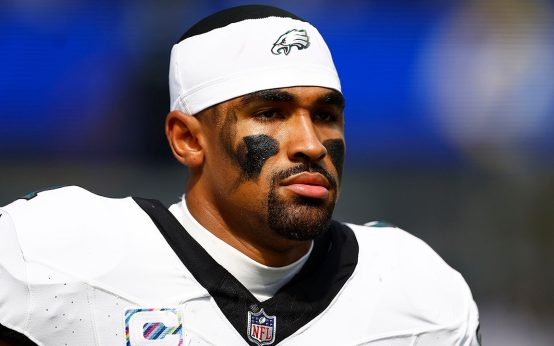 Jalen Hurts: From College Star to Eagles Quarterback
  Angel Reese Shines as Atlanta Dream Pursues WNBA Championship
  Denver Defeats Seattle with Lutz’s Overtime Field Goal
 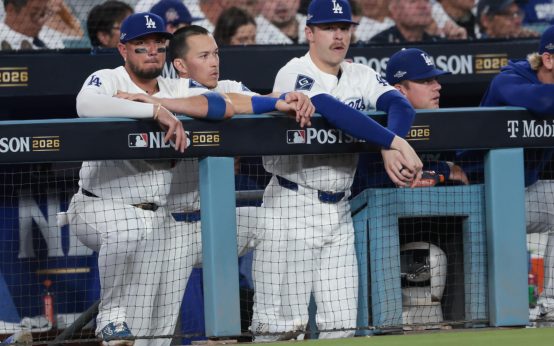 Dodgers’ Three-Peat Dream Dashed by Brewers
 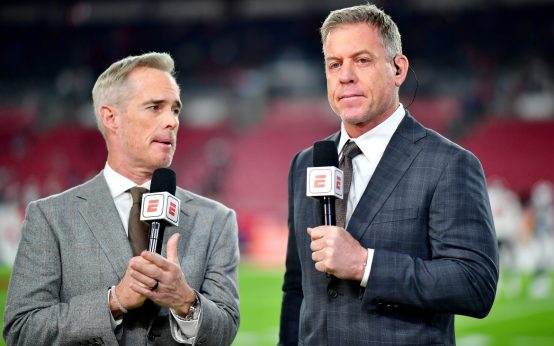 Troy Aikman Hints at Departure from ESPN Amid Contract Speculations
 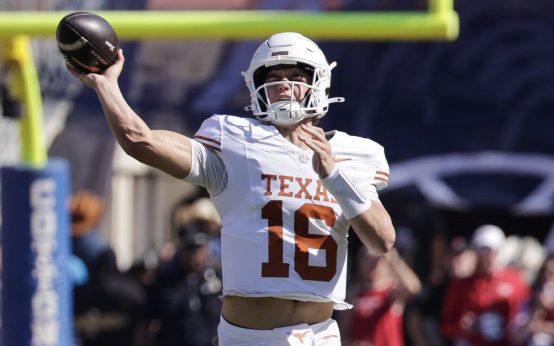 Arch Manning and Dante Moore Fall in Draft Rankings