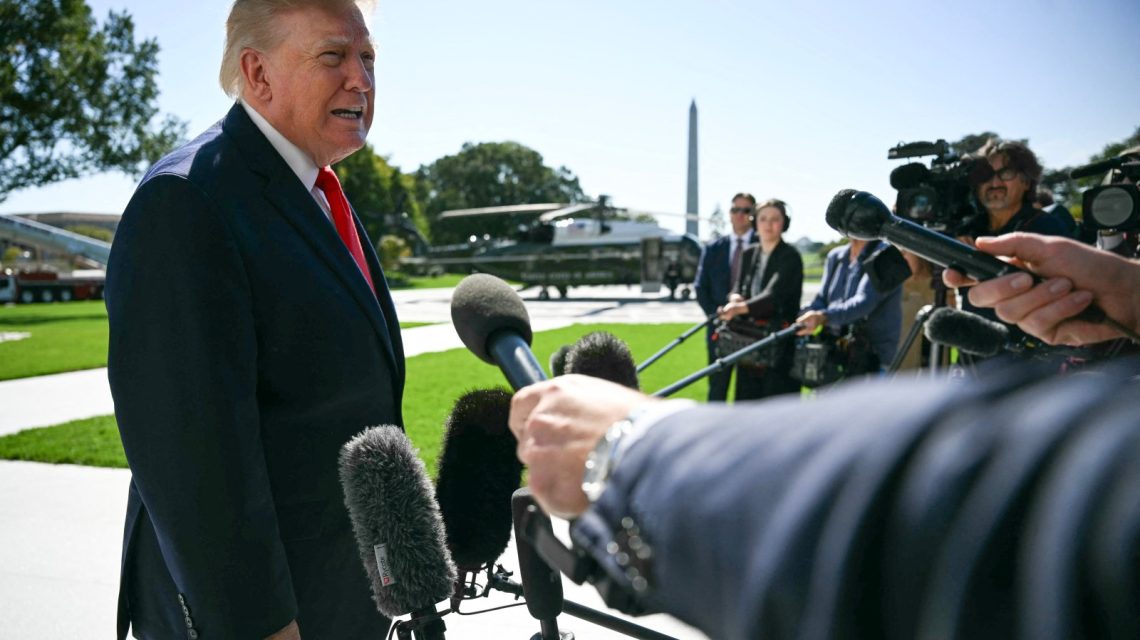
President Donald Trump has faced backlash from Republican lawmakers for waiving critical measures in a Russia sanctions law he signed in September. This decision raised concerns it could undermine efforts to pressure Moscow. The executive order, signed late Friday, waived sanctions and tariffs aimed at coercing Russia to end its war in Ukraine.
Voices from both political parties and Ukrainian President Volodymyr Zelensky criticized the move, while it received approval from a senior Russian official. Republican Senator Thom Tillis from North Carolina called the action “beyond irresponsible” and questioned the administration’s understanding of enforcing a law passed overwhelmingly by the Senate. Tillis expressed outrage over the perceived capitulation to Russian aggression.
Representative Don Bacon from Nebraska also criticized the President, suggesting that this decision prolonged the war. The legislation, associated with the late GOP Senator Lindsey Graham, was crafted to intensify pressures on Russia by targeting officials, financial institutions, and oil transport networks involved in its conflict with Ukraine.
Other political figures shared similar sentiments. Senator John Cornyn from Texas reacted by highlighting Graham’s potential disapproval of the decision. Furthermore, Oklahoma Governor Kevin Stitt speculated in a Newsweek interview that the proposal might extend the war in Ukraine without effectively reducing fuel prices.
Conversely, White House spokesperson Taylor Rogers claimed Trump successfully negotiated lower diesel prices beneficial to American farmers, truckers, and families, despite criticism. She emphasized that Trump urged a halt to strikes on refineries to mitigate rising costs for consumers.
Trump’s approach received support from Patrick Casale, a senior adviser to Nevada GOP Chairman Michael McDonald. He suggested Trump’s actions might encourage negotiations between Russia and Ukraine. The waiver of key sanctions provisions was explained as part of broader efforts to lower fuel prices and foster peace.
What Trump’s Russia Sanctions Order Does
On September 18, Trump signed the Lindsey O. Graham Sanctioning Russia and Iran Act of 2026. The recent executive action waived some sanctions and tariffs delineated in the law. The law allows significant tariffs on Russian imports, with exceptions based on statutory requirements. These tariffs were intended to deter Russian actions, but the waiver stalls their automatic application.
Trump assured close cooperation with Russia and Ukraine leaders aiming to resolve the ongoing conflict. During a speech at the United Nations, Trump emphasized his new tariff authorities under the sanctions law, spotlighting his readiness to employ them if necessary to end the conflict.
Russia and Ukraine React to Sanctions Waiver
Zelensky condemned Trump’s decision, citing its failure to exert effective pressure on Moscow amid significant attacks on Ukraine’s energy infrastructure. Russian President Vladimir Putin’s envoy lauded the waiver as historically significant, reflecting tensions over the U.S. administration’s stance on Russia, especially concerning energy supply efforts.
Democrats Condemn Trump’s Decision
Criticism came from Democratic leaders like Senate Minority Leader Chuck Schumer, who labeled Trump’s action as a covert concession to Russia. Schumer accused Trump of aiding Putin’s economic position. Senator Richard Blumenthal echoed these criticisms, asserting that Trump’s waivers were pandering to Russian interests rather than aligning with U.S. national security and ally priorities.
Trump’s Waiver Follows Russian Diesel Deal
The waiver followed a diesel supply agreement between Trump and Putin to alleviate global energy costs. This move drew skepticism from lawmakers who warned that easing Russian energy restrictions could financially bolster Moscow amidst its Ukraine conflict.
A bipartisan group of senators, including Tillis, penned an appeal demanding a retraction of the diesel deal, which they deemed against American security interests and contrary to support for Ukraine defenders.
While the executive order did not explicitly tie to the diesel agreement, lawmakers remain vigilant of any links between the move and mitigating sanctions.
Contact Newsweek editors: Steve Mollman and Anthony Murray.
 Thousands Expected at ‘No Kings’ Rallies in Southern California
 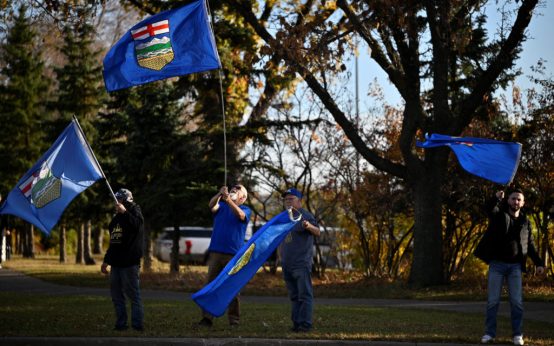 Alberta’s Path to Possible Separation from Canada
 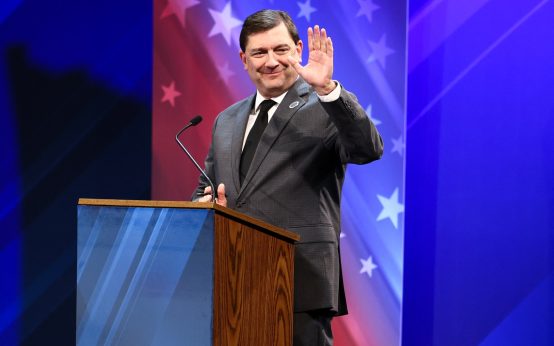 Maine Senate Race: Fundraising, Polls, and Debate Highlights
 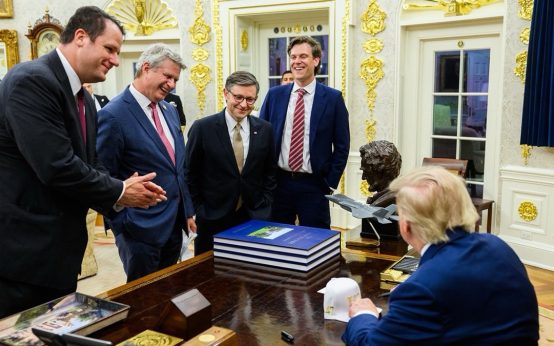 James Braid’s Influential Role in Trump’s Legislative Successes
  Federal Authorities Investigate Suspicious Mailings Before Election Day
  Sullivan and Peltola Clash in Contentious Alaska Senate Debate