
The approach taken by President Donald Trump in dealing with Iran stands in stark contrast to that of President Ronald Reagan. Trump has pursued an unconventional path, particularly evident in the recent conflict with Iran.
Journalist reports indicate that Trump’s longstanding animosity towards Iran, rooted in the 1979 hostage crisis, played a significant role in his military strategy. Additionally, Israeli Prime Minister Benjamin Netanyahu’s desire to weaken a formidable adversary further influenced these actions. The military efforts have extended for nearly six months now, accumulating expenses of at least $37.5 billion.
Reagan’s interactions with international conflicts, notably his diplomatic efforts, offer a different perspective. His strategies often focused on negotiation rather than prolonged military engagements. The contrast lies in Reagan’s emphasis on dialogue in resolving global disputes, a tactic not prominently adopted by Trump in his dealings with Iran.
Understanding these differing approaches sheds light on how presidential strategies vary, affecting international relations and financial costs. The implications of such decisions are far-reaching, influencing both national policy and global perceptions.
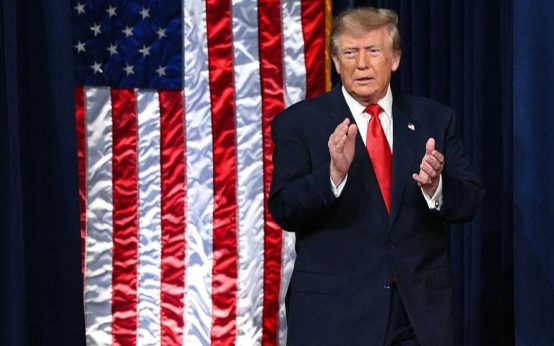 Challenges for GOP as Working-Class Voters Show Signs of Shifting
 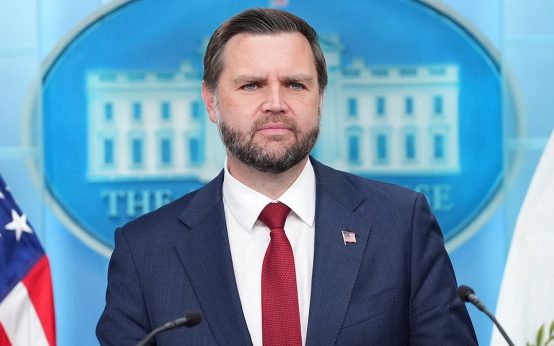 Vance Chooses Focus on U.S. Midterms Over Israeli Elections
  Matthew McConaughey Sparks Debate on Independent Voting
 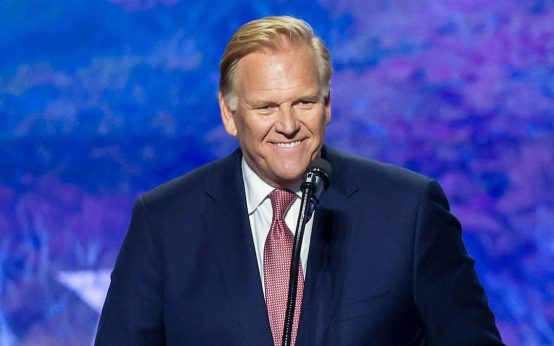 Mike Rogers Criticizes Abdul El-Sayed at Michigan Town Hall
  Actor Jordan Walker Ross Endorses Texas Senate Candidate James Talarico
  President’s Remarks at Park City Rally