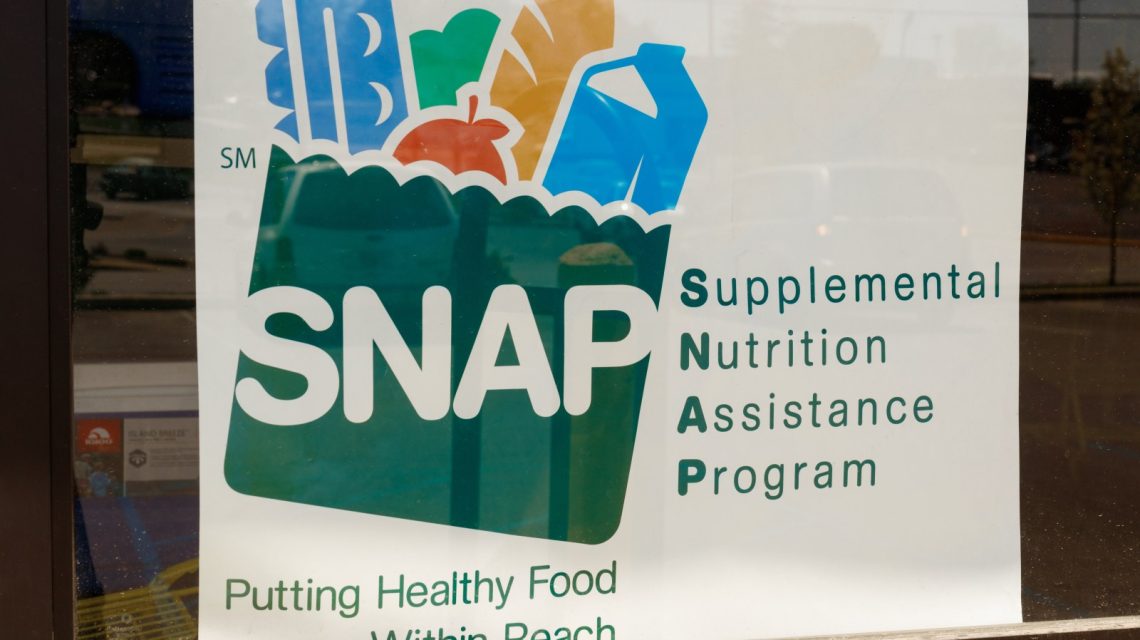
Nearly 2.7 million people receiving Supplemental Nutrition Assistance Program (SNAP) benefits in five states will face new restrictions on purchases starting soon. The initiative is part of the Trump administration’s effort to limit the purchase of soda, candy, and other products through SNAP.
Implementation of Restrictions
South Carolina’s rules take effect on August 31, followed by North Dakota on September 1, Montana on September 30, and Ohio and Virginia on October 1, according to the USDA’s SNAP food restriction waivers list. USDA’s figures from April show that the five states had over 2.6 million SNAP participants.
SNAP benefits, or food stamps, assist over 35 million no- and low-income Americans monthly with grocery costs. These changes won’t reduce benefit amounts. Retailers will block certain products from being purchased using SNAP at checkout.
State-Specific Rules
South Carolina
SNAP will not cover candy, energy drinks, soft drinks with added sugar, and other sweetened beverages. Sweetened tea, fruit punch, lemonade, and sweetened coffee are excluded, but diet and zero-sugar soft drinks are eligible. South Carolina had 495,445 SNAP participants in April, a 12.7% decrease from the previous year.
North Dakota
Restrictions include candy, energy drinks, and sweetened beverages with specifics. Beverages with five grams of added sugar, artificial sweeteners, or less than 50% juice are excluded, such as soda, tea, lemonade, and sports drinks. Energy drinks with at least 65 milligrams of caffeine per eight ounces are barred. Milk, drinks with over 50% juice, and unsweetened beverages are eligible. North Dakota had 51,706 participants in April.
Montana
Banning candy, high-sugar beverages, energy drinks, and shelf-stable desserts starts September 30. High-sugar drinks are those with more than 10 grams of sugar per eight ounces. The dessert ban excludes store-bought bakery items. Drinks with over 50% juice, milk, coffee, and tea are exempt. Montana’s participant count was 71,103 in April.
Ohio
Ohio’s changes affect the largest SNAP population among the states, with 1,341,017 participants in April. SNAP won’t pay for drinks with sugar, corn syrup, or similar sweeteners as primary ingredients or for fountain drinks. The restrictions start October 1.
Virginia
Virginia’s restrictions start October 1, affecting 710,416 participants as of April. The state will ban soda, diet soda, zero or artificially sweetened soda, carbonated energy drinks, and drinks with five grams of sugar per serving. Non-carbonated drinks like lemonade and iced tea remain covered.
Debate on Food Restrictions
Restrictions align with the administration’s Make America Healthy Again agenda. USDA Secretary Brooke Rollins emphasizes refocusing SNAP on nutrition. Support also comes from nutrition researchers highlighting soda’s links to tooth decay, weight gain, and chronic disease.
Opponents argue that restrictions reduce choice without addressing why lower-income households opt for cheaper diets. Freelance dietitian Staci Gulbin suggests promoting healthier purchases through farmers’ markets and providing nutrition counseling to empower healthier choices.
Legal and Policy Challenges
The states join Arkansas, Florida, Idaho, Indiana, Louisiana, Oklahoma, Texas, and Utah, among others, in implementing food restrictions. A legal challenge from SNAP recipients in several states stopped the USDA’s authority for approving restrictions. U.S. District Judge Amy Berman Jackson vacated the approvals, citing misuse of a statutory provision.
Rollins expressed commitment to continuing the efforts amid legal challenges. The recent court decision did not affect waivers for Montana, North Carolina, Ohio, South Carolina, or Virginia. USDA still lists these states with upcoming implementation dates.
SNAP participation has drastically fallen due to the One Big Beautiful Bill Act signed in July 2025, changing work requirements and eligibility. The Center on Budget and Policy Priorities calculated a fall of over 4.5 million participants, or 11%, between July 2025 and April 2026 due to the law. The five states’ participation dropped by around 298,000 from April 2025 to April 2026.
 The Shadow Primary for the 2028 Presidential Race
  California Voter ID Ballot Measure Sparks Debate
  Nevada Governor Race Intensifies as Election Day Approaches
  Ken Paxton Questions Talarico’s Absence
  Reforming Child Welfare Financing to Preserve Family Unity
  Trump Initiates Inquiry into Federal Reserve Governor Lisa Cook