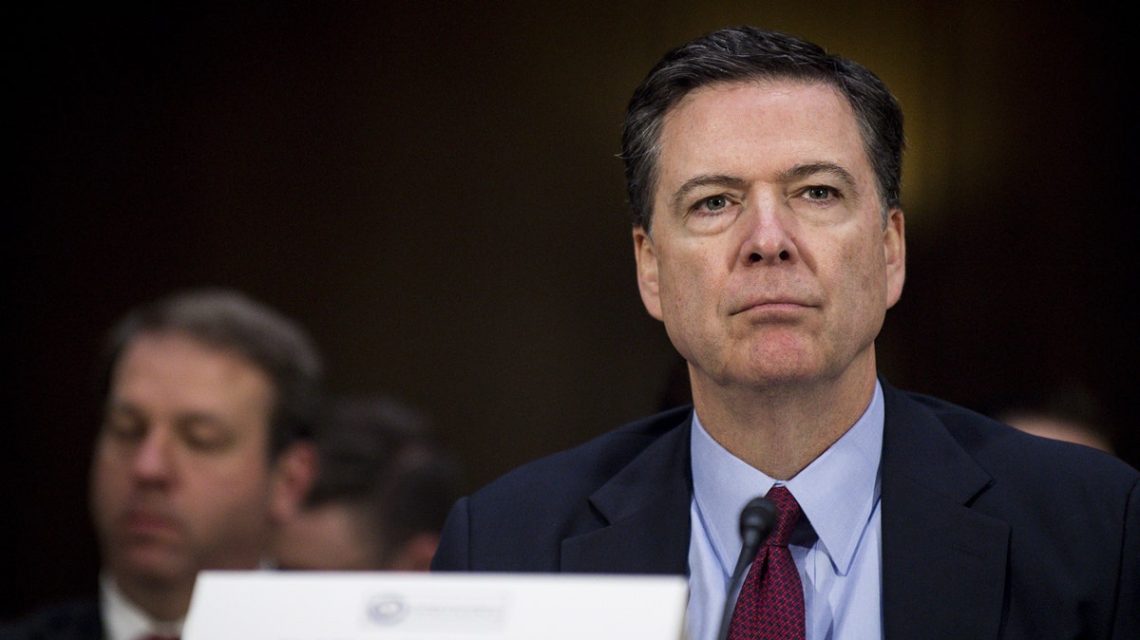
A federal judge has postponed the trial of former FBI Director James Comey to October. Comey is facing federal charges related to an Instagram post he made in 2025, which allegedly threatened harm to President Donald Trump with a seashell arrangement bearing “86 47.”
The original trial date was set for July, but Comey’s defense team, preparing various constitutional motions, succeeded in moving it to October 21. Prosecutors did not object to this delay.
Comey’s lawyers aim to argue whether the Instagram post constitutes a criminal threat or if it is protected under the First Amendment as political speech. This debate is likely to influence the trial’s outcome before reaching a jury.
Since the 2016 elections, Comey has played a notable role in Trump-era political controversies. From managing Hillary Clinton’s email investigation to overseeing the initial Russia probe, which led to his termination by Trump in 2017, Comey remains a central figure.
The indictment against Comey is tied to his 2025 Instagram post showing seashells arranged in “86 47.” The number “86” is often used in restaurants to mean “get rid of,” while prosecutors argue that “47” references Trump as the 47th president. Comey removed the controversial post and denied any intent to threaten, claiming ignorance of “86” as a potential call for violence.
District Judge Louise Wood Flanagan, appointed by President George W. Bush in 2003, made the decision to delay the trial. Legal challenges against the charges focus on potential First Amendment protection.
Critics, including Virginia Sen. Mark Warner, claim the indictment is an example of using the justice system to target Trump’s opponents. Meanwhile, Comey’s supporters argue his actions cross from permissible speech into illegal threat territory.
Acting Attorney General Todd Blanche emphasized both the importance of the statute against threatening the president and the differing interpretations of Comey’s actions. He stated that it is a significant legal line, as Congress clearly prohibits threats against the President of the United States.
 Lindsay Clancy Trial Juror Mistrial Sparks Legal Scrutiny
  Grand Jury Declines Indictments in Nolan Wells’ Case
  Vermont Shooting Verdict
  Federal Judge Blocks Deportation of Immigrant Shot by ICE
  Body Camera Footage Released of Venezuelan Immigrant’s Arrest After ICE Shooting
  Prosecutors Oppose Bryan Kohberger’s Plea Withdrawal