
The framework agreement between the U.S. and Iran halts hostilities that have lasted nearly four months, claiming thousands of lives and affecting global energy prices. While there is cautious optimism about this agreement leading to peace, experts are skeptical about its durability in the upcoming 60-day negotiations for a final deal.
The specifics of the framework remain undisclosed. Analysts suggest that negotiators might interpret the preliminary agreement differently, adding to the uncertainty. This article discusses reasons for the deal’s potential success and challenges it might face.
Reasons for Optimism
There are several factors that could contribute to the success of the agreement. It aims to address major concerns related to regional stability and international energy markets. Both parties have expressed a willingness to engage in dialogue, which is a positive sign. Diplomatic efforts and support from international communities may also play a crucial role.
Challenges Ahead
Despite signs of progress, multiple obstacles could jeopardize the agreement. Differences in interpretation of the framework’s terms could lead to disputes. Historical tensions and mistrust between the two nations present additional hurdles. The outcome of upcoming negotiations will be pivotal in determining the agreement’s success or failure.
The next round of talks will be crucial for the future of this agreement. Observers will watch closely as the U.S. and Iran attempt to reconcile their differences and establish a sustainable path to peace.
 Controversy Surrounds Performances at Gillette Stadium
  Tucker Carlson’s Remarks on Britain and WWII Spark Backlash
  Police Divers Uncover Ancient Roman Artifacts in Sardinia Waters
  Conservative Activist Urges AI Safety Measures
 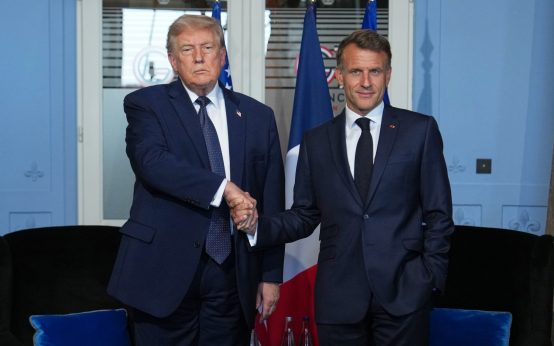 G7 Nations to Release 100 Million Barrels of Oil Amid Fuel Price Surge
  Attempted Hijacking on FlyDubai Flight to Tel Aviv