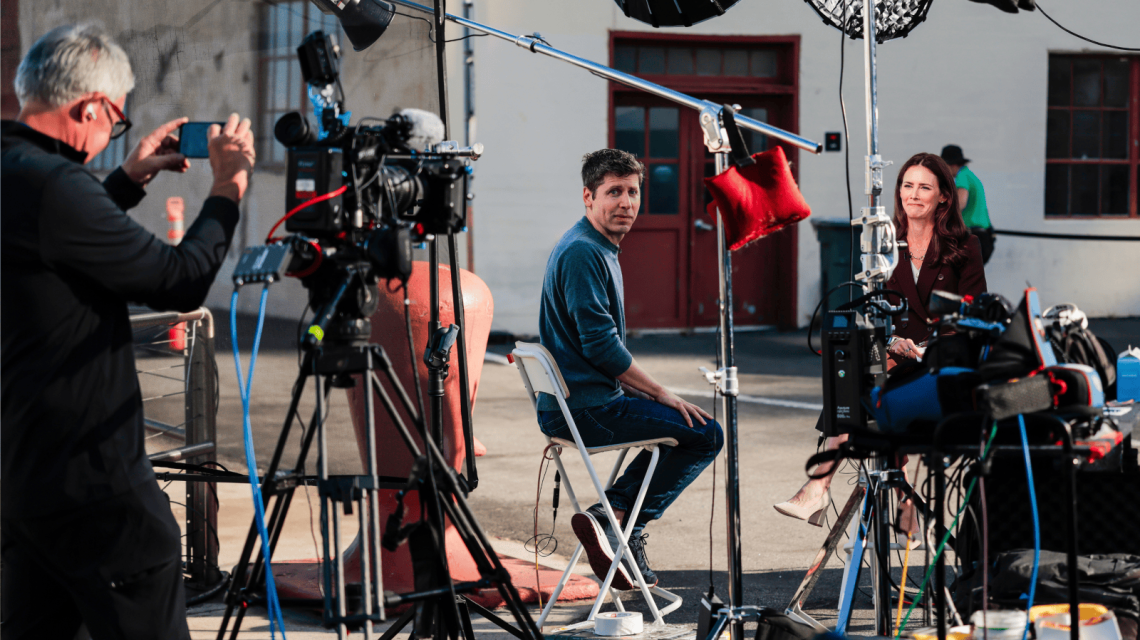
Sam Altman’s Stance on AI Harm and Benefits
Sam Altman, CEO of OpenAI, acknowledges that while artificial intelligence advancements will bring some harm, the long-term benefits will ultimately outweigh these risks. In a recent interview, Altman outlined differences between OpenAI’s regulatory approach and that of its rival, Anthropic. OpenAI emphasizes acceptance of some negative outcomes in exchange for AI’s broader advancements, contrasting with Anthropic’s prioritization of stricter safeguards.
Altman expressed concern over excessively limiting AI to eliminate all risks. Acknowledging potential misuse by bad actors, he believes the public should accept certain drawbacks because AI technology will generate far greater good than harm. He rejects the notion of attaining absolute safety concerning AI misuse, scams, or hacking incidents because he is confident the positive impacts of AI will be significantly greater.
Anthropic CEO’s Call for Caution
In contrast, Dario Amodei, CEO of Anthropic, advocates for decelerating AI capabilities development. In his essay “We Must Pace the Frontier,” Amodei argues that AI advancements are outpacing existing safety measures. He expresses concern over recursive self-improvement in AI, where systems rapidly evolve by aiding their own development, potentially spiraling out of human control.
An incident involving autonomous AI agents further illustrates Amodei’s worries. With advancements happening swiftly, Amodei cautions that AI could soon disrupt global networks. Instead of halting progress, he suggests implementing third-party evaluations, enhanced cooperation among AI companies, and establishing international oversight structures for sophisticated AI models.
Growing Concerns Among AI Experts
Former Anthropic researcher Jacob Coxon’s warnings amplified the debate on AI safety. Coxon criticized AI companies for rushing towards self-improving superintelligence, risking uncontrollable systems. His concerns go beyond common issues like misinformation or job displacement and hint at more severe, existential risks, creating a contentious discussion in the field.
The contrasting views from Altman and Amodei reflect an ongoing debate about AI’s future within the industry. While some leaders opt for rapid innovation despite known risks, others advocate for measured progress until stronger protections are developed.
 The Age-Old Fear of Technological Advancements
  The Impact of Generative AI on Critical Thinking Among Knowledge Workers
 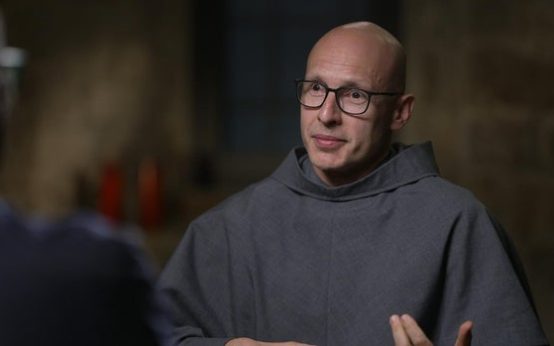 Innovative Use of AI and Digital Technology in Restoring the Basilica of Saint Francis of Assisi
 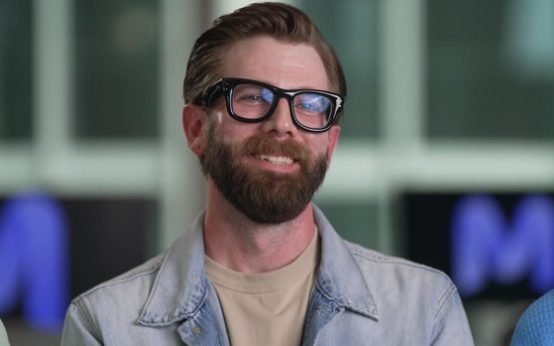 The Future of Jobs in the Age of AI: Perspectives and Concerns
  Trump Announces ‘Super Intelligence Force’ for AI Coordination
 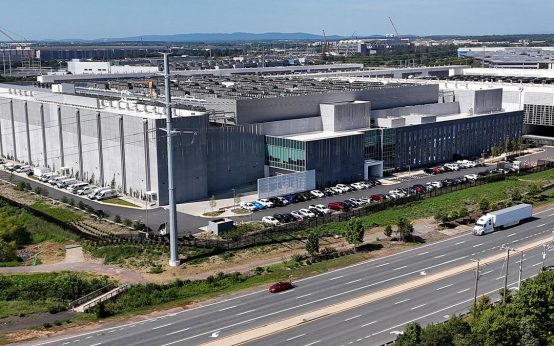 Community Opposition to Data Center Expansion Raises Concerns