
Throughout history, technological progress has often been met with fear and misunderstanding. The rise of artificial intelligence is no different.
In a reflection on past innovations, an article titled “The Influence of Railway Travelling on Public Health” appeared in The Lancet in 1862. This detailed analysis expressed concerns over the new railroad technology. It highlighted not only the invention of railway accidents but also other fears of the time.
Experts of the day worried about the impact of increased train speeds. They speculated that faster trains might lead to suffocation for passengers. Some even suggested that observing swiftly moving landscapes could harm visual processing abilities. Additionally, there were warnings about the human body’s capacity to endure these unprecedented speeds.
This historical reaction to trains mirrors the initial trepidation surrounding modern advancements, such as artificial intelligence. Each technological leap brings about its own set of fears and uncertainties.
 The Impact of Generative AI on Critical Thinking Among Knowledge Workers
  Innovative Use of AI and Digital Technology in Restoring the Basilica of Saint Francis of Assisi
  The Future of Jobs in the Age of AI: Perspectives and Concerns
  Trump Announces ‘Super Intelligence Force’ for AI Coordination
 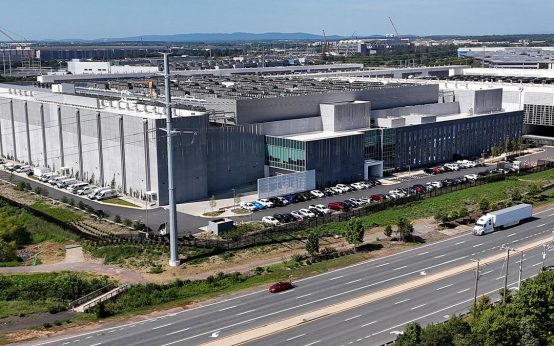 Community Opposition to Data Center Expansion Raises Concerns
  Jay Clayton Appointed as White House AI Czar