Canada has enacted retaliatory tariffs on U.S. goods as tensions rise between the two countries. These tariffs affect billions of dollars worth of goods, putting exports from numerous states at risk. The breakdown in trade negotiations led to President Donald Trump imposing a 50% tariff on $20 billion of Canadian imports to the U.S., which adds to existing tariffs on cars, trucks, metals, and lumber.
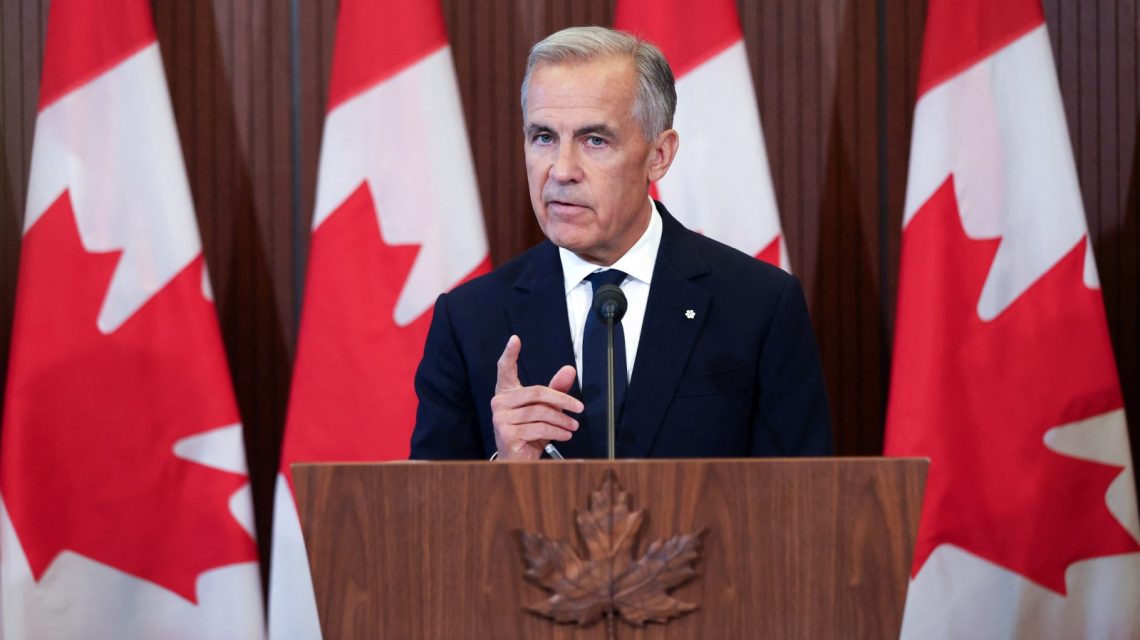
Prime Minister Mark Carney responded with equivalent tariffs of 15% to 50% on around $27.6 billion of American imports, impacting a wide range of products including dairy, agricultural equipment, and electronics.
Impact on U.S. States
The Canadian Chamber of Commerce highlights the significant economic relationship between the U.S. and Canada, valued at $1.3 trillion in two-way trade and $2 trillion in cross-border investments annually. Each U.S. state’s relationship with Canada varies, with 26 states considering Canada their top export destination in 2025.
States near the Canadian border, like Illinois, engage in substantial trade with Canada. Illinois saw $75.9 billion in trade for energy resources and raw materials. Texas follows with significant trade in vehicles, amounting to $14.5 billion of the $69 billion traded in 2025.
U.S. and Canada in Economic Conflict
Bipartisan lawmakers expressed concerns over the trade war with Canada. Republican Senator Susan Collins criticized Trump’s tariffs as a “mistake.” An analysis suggests Canadian consumers may suffer more if the trade war continues, given the U.S.’s larger economy allows for more self-reliance.
Political factors may also play a role. Canadian polls show strong support for Prime Minister Carney’s actions, while President Trump lacks similar backing domestically. Experts predict potential relief after the U.S. midterms, possibly paving the way for new trade agreements.
Midterm Elections and Economic Pressure
Carney’s tariffs affect key U.S. states involved in midterm elections, with Wisconsin cheese and Maine seafood among targeted exports. Political consultant Whit Ayres suggests that trade tension impacts border states more significantly, though broader national issues may overshadow it.
Polls show a plurality of Americans blame the U.S. for the trade dispute, with a majority opposing additional tariffs against Canada. Despite potential political risks, Trump continues pressing Canada, threatening Bombardier’s ability to sell planes in the U.S. unless it relocates production facilities.
Kansas Senator Jerry Moran expressed concerns over Bombardier’s role in Kansas. The IAM union opposes restrictions on Bombardier, highlighting the jobs supported in both the U.S. and Canada.
 U.S. Strategic Goals Remain Unmet Amid Prolonged Conflict
  New Photos Reveal Damage from Iranian Strikes in the Middle East
  Assassin of Chilean Diplomat Orlando Letelier Faces Deportation 50 Years After Assassination
  Gorillaz and Macklemore Respond to Controversy Over Israel-Palestine Statements
  Investigation into Lion Deaths in Tanzania
  Merz Stays Resolute Amid Electoral Shifts in Germany