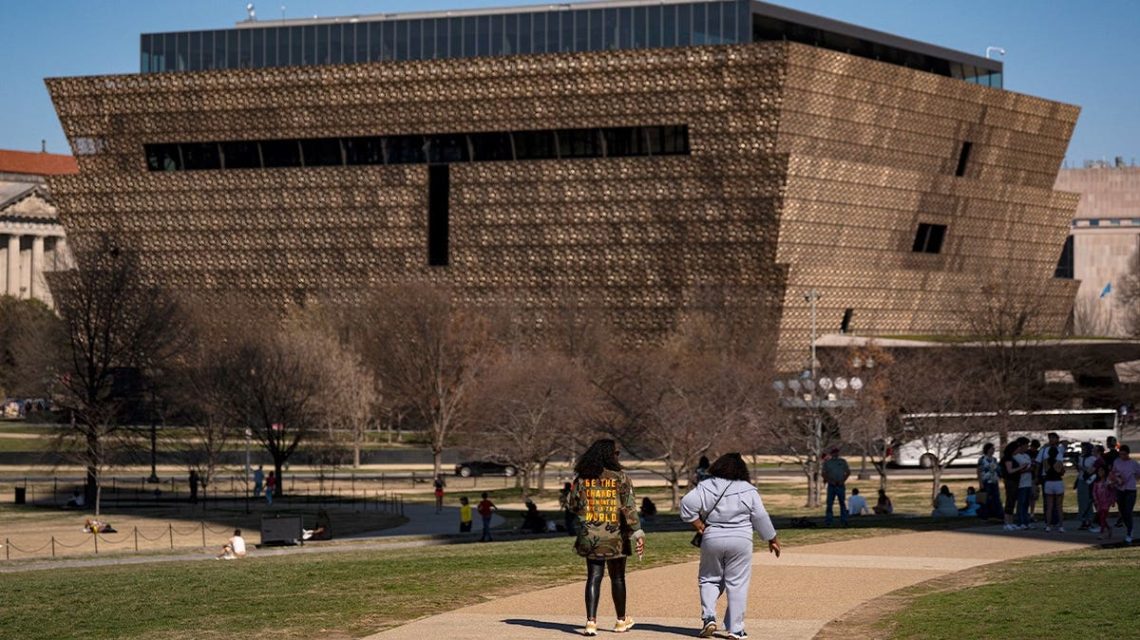
A conservative filmmaker, Eli Steele, is urging the Smithsonian to clarify why his documentary, which critiques progressive views on race, has not been publicly screened at the African American history museum, despite its history of showcasing films that examine systemic racism.
Steele’s documentary, “White Guilt,” co-produced with his father Shelby Steele, challenges current views on race, arguing that White guilt over America’s racial past leads institutions to prioritize racial identity over individual merit. His film addresses personal experiences as a Black, Jewish, and deaf person. Though the museum has declined his proposed screening dates, no alternative dates for a public screening have been offered.
As the Smithsonian faces pressure from the Trump administration over ideological bias accusations, Steele questions the museum’s decision, noting they have screened various films with progressive narratives. Despite this, Steele stops short of accusing the institution of ideological discrimination.
Other Black conservatives, including Carol Swain and Jason Riley, perceive this as part of a wider pattern, suggesting conservative views are increasingly marginalized in institutions meant to represent diverse ideas. Riley, in particular, sees the museum’s decisions as advancing a political agenda.
The Smithsonian has denied Steele’s proposed screening dates without explanation, offering a private rental option costing $35,000 instead of arranging a public screening. Steele’s team requested alternative dates but received no response.
Glenn Loury, a professor at Brown University, praised the film’s exploration of racial identity, describing it as provocative and insightful. He sees a public screening as an appropriate platform for engaging diverse perspectives.
Steele expressed a desire for the Smithsonian’s African American museum to host the documentary as part of an important conversation on race and identity in America. He remains open to discussion with the museum regarding public screening opportunities.
 Rethinking Accountability for Survivors of Sexual Assault
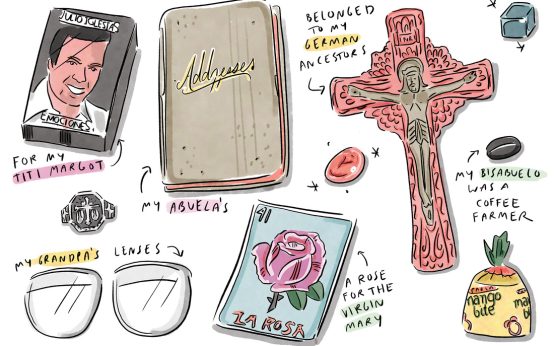 Creating an Ancestral Altar
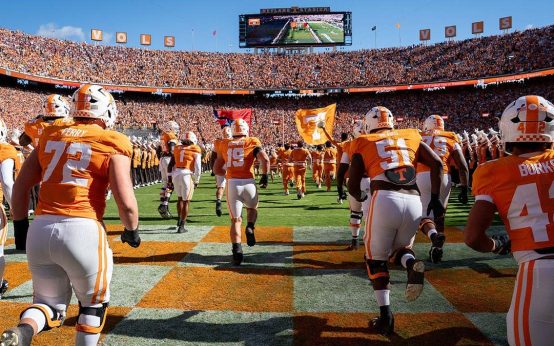 Screencaps: Sports, Pop Culture, and Engaging Stories
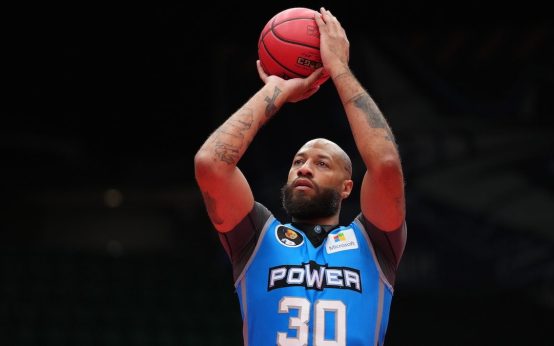 Royce White Contemplates Legal Action Against WNBA Eligibility Standards
 Ana Navarro Declines Meeting with Trump on ‘The View’
 Historic Preservation and Cultural Community Building