
The United States is experiencing a notable slowdown in births and immigration. This trend could have significant consequences for the nation’s future. The American political and economic landscape may need to prepare for what lies ahead due to these shifts.
Birth rates in the U.S. are declining. This change triggers concerns about the aging population, social security sustainability, and workforce dynamics. Fewer births mean fewer workers eventually entering the labor force, potentially affecting economic growth.
Immigration, historically a major driver of U.S. population growth, is also decreasing. This reduction could dampen economic vitality and cultural exchange. Immigrants contribute significantly to the workforce, innovation, and demographic diversity, so a decline in immigration may have broad repercussions.
The convergence of lower birth rates and reduced immigration is unique. Policymakers, economists, and society must consider potential solutions. Strategies could include policies that support family growth or encourage immigration. Addressing these issues could help maintain economic stability and cultural richness.
The nation faces challenges ahead. Understanding these demographic shifts is crucial. Everyone from government leaders to business owners should actively engage with potential solutions and adapt to changing realities.
 Blueprint for GOP Renewal: Lessons from Ballot Measures
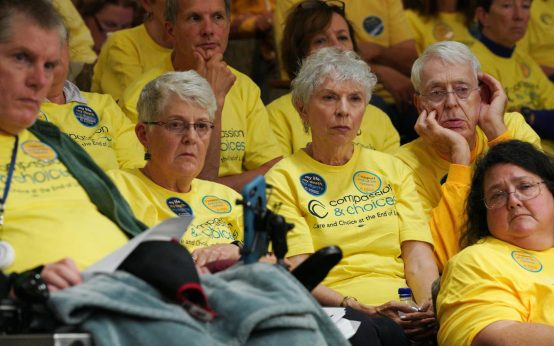 Minnesota and Medical Aid in Dying: A Call for Reconsideration
 The Complexities of Post-Divorce Interactions
 Restoring Democracy Through Legal Means
 Michael Goodwin’s Commentary on Political and Social Issues
 Reflections on Disability Rights and Representation