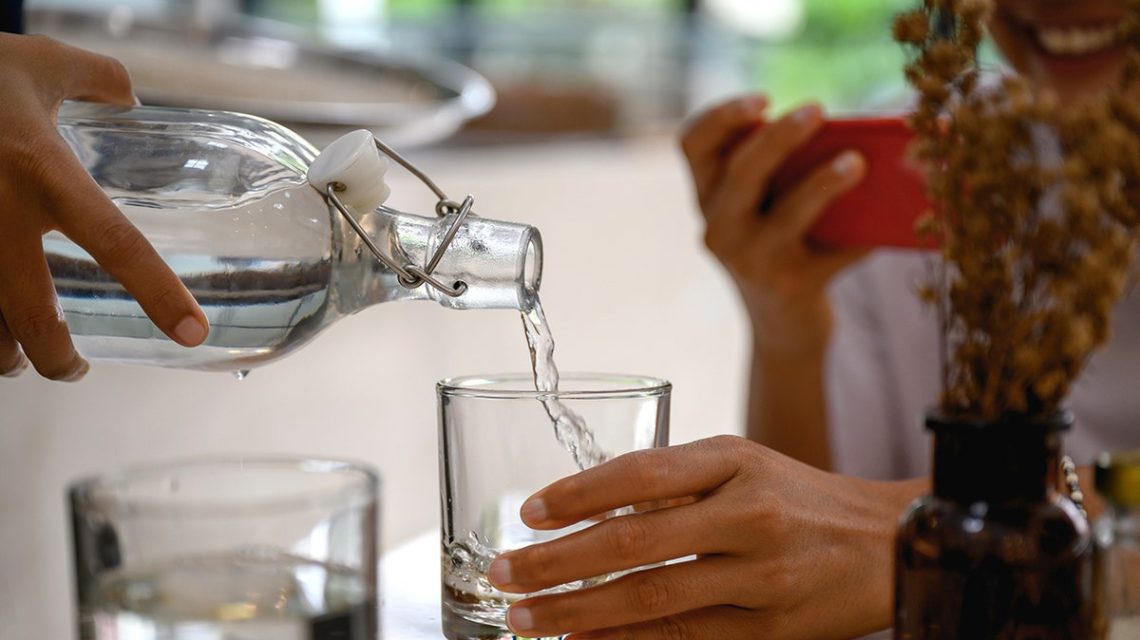
Research published in the American Journal of Health Economics indicates that consuming filtered water could add several months to one’s lifespan. Early exposure to water filtration systems plays a crucial role in this longevity boost. The study examined public health infrastructure changes from the early 20th century, revealing that city water filtration specifically increased the average lifespan of older American men by 3.2 months.
Significant Health Impact
Jason Fletcher, a professor at the University of Wisconsin–Madison and the study’s co-author, emphasized that while water quality improvements have been made, the research highlights the significant health impacts on communities lacking access to safe water, both domestically and globally.
“The consequences on human health are significant,” Fletcher noted.
Researchers used data from the Social Security Administration’s Death Master Files, analyzing death records of American men born between 1975 and 2005. They compared each individual’s birth year and city to historical water filtration records.
Early Exposure’s Long-Term Benefits
The research connected early-life environments to later-life outcomes, showing that clean water in childhood positively affects socioeconomic and physical development. This study is part of the American Mortality Project, focusing on how early-life conditions influence modern lifespans.
Additional analyses of mid-20th-century census data showed links between early exposure to filtered water and enhanced physical growth, educational attainment, and income levels.
Limitations of the Study
The study primarily focused on historical data from American men, potentially limiting the applicability of results to women of the same era. The dataset also covered certain U.S. cities, which may not reflect global, rural, or different environmental contexts.
The findings are based on public health developments in U.S. cities during a specific period in the late 19th and early 20th centuries. Consequently, the studied lifespan extension might not apply to modern developing nations, rural areas, or varied environments.
Khloe Quill is a lifestyle production assistant with Fox News Digital, reporting on topics including health, travel, and food and drink.
 Abdul El-Sayed Aims to Attract ‘Make America Healthy Again’ Supporters in Michigan Senate Campaign
  Infections Linked to Global Cancer Cases
  G. L. Mezzetta Inc. Recalls Peperoncini Due to Pest Concerns
  Leila’s Kidney Transplant Journey: Setbacks and New Beginnings
  Insulin Cost Legislation Push
  The Impact of Private Equity Ownership on Hospitals