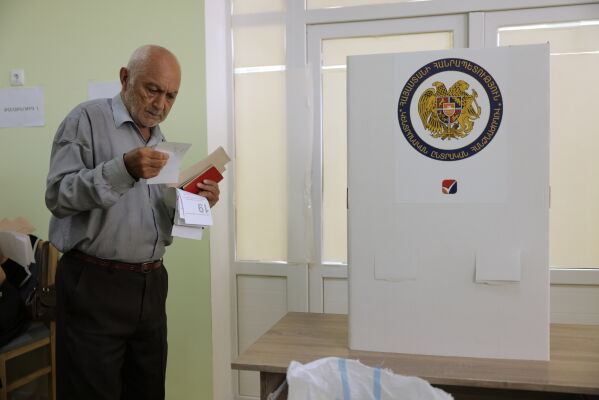
Armenian Prime Minister Nikol Pashinyan declared victory in the recent general election, a pivotal event related to Russia’s influence in Armenia. Preliminary results positioned his party, Civil Contract, at the forefront with over twice as many votes as the nearest competitor.
Pashinyan sought a strong mandate to redefine Armenia’s foreign relations, moving away from Moscow and enhancing ties with the West. Casting his vote, he emphasized, The European Union is our main partner in democratic reform implementation, and we will continue that path.
European observers characterized the elections as divisive but efficiently conducted, though they noted issues related to Russian interference attempts.
The Civil Contract party garnered 49.82% of the vote. The main rival, Samvel Karapetyan’s Strong Armenia bloc, secured 23.28%. Facing house arrest, Karapetyan denies charges of plotting a governmental overthrow. Investigators issued arrest warrants for six Strong Armenia members, alleging vote-buying.
‘Referendum on the future of the country’ – Richard Giragosian from the Regional Studies Center highlighted the election as a genuine democratic exercise, suggesting ineffectual Russian interference.
Russia has warned of economic repercussions if Armenia tilts towards the EU. Moscow controls critical parts of Armenia’s infrastructure and has imposed import bans on various Armenian products. Analysts draw a parallel with Ukraine, which faced invasion by Russia after moving away from Moscow.
The Armenian National Assembly requires at least 101 members, with parties reaching 4% of the vote to qualify. Preliminary figures suggest Pashinyan’s party secured 61 seats, enabling them to govern without coalition support but limiting constitutional amendments without a referendum.
Pashinyan aims to advance peace with neighboring Azerbaijan, despite opposition criticism. A document initialed with Azerbaijani President Ilham Aliyev signifies movement towards a peace deal, facilitated by the U.S. Conflict over the Karabakh region ended with Azerbaijan’s decisive action in 2023.
International observers, including those from the European Parliament and the Organization for Security and Cooperation in Europe, acknowledged a competitive electoral process. Despite noting Russian pressures and possible domestic electoral violations, they confirmed the election’s legitimacy.
The EU expressed support for Armenia, with European Commission President Ursula von der Leyen emphasizing the growing partnership. Conversely, Russia criticized perceived Western interference while acknowledging Armenian society’s polarization.
Richard Giragosian noted Russia’s potential openness to collaborate with the Pashinyan administration despite the absence of overt support for opposition groups.
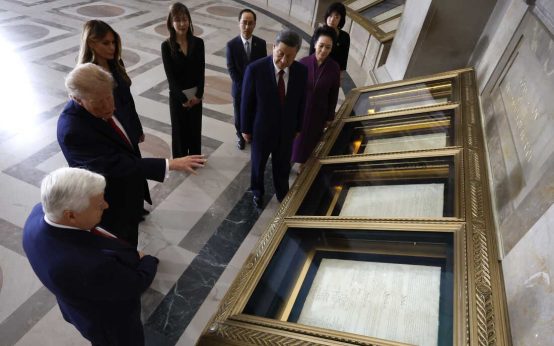 Historical Discrepancies and Diplomatic Sensitivities in U.S.-China Relations
 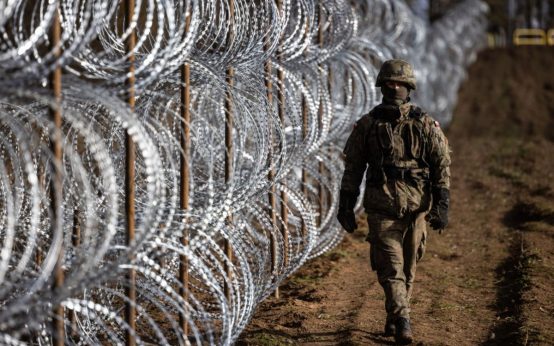 Escalating Tensions: Russia’s Nuclear Threat and the Kaliningrad Conundrum
 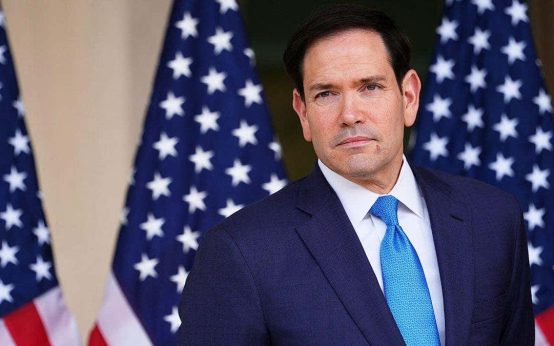 Marco Rubio Discusses Thwarted UK Terror Plot and Global Threats
  New Leads Emerge in 2014 Ayotzinapa Student Disappearance Case
  Concerns Over U.N. Secretary-General Candidate’s Alignment
  Possible Shipwreck Exposed After Nor’easter in Nantucket