Negotiated Payments and Public Debate
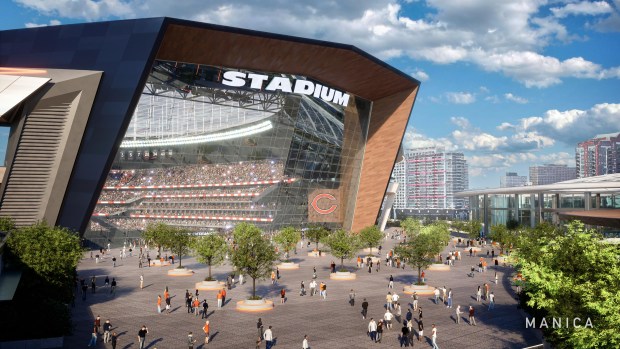
The Chicago Bears are at the center of debates over payments they would make to local governments, influencing how state lawmakers might assist the team in building a new suburban stadium. Yet, a Cook County treasurer’s office analysis suggests that discussions have diverted attention from broader impacts of a Springfield megaprojects proposal.
Tax Changes Beyond The Bears
Besides creating a ‘tax certainty’ framework for developments costing at least $100 million, the Illinois House measure includes tax changes with statewide implications, such as eliminating sales taxes on construction materials, expanding bond programs, and new incentives for railroad facility revamps. These changes could affect multiple developments yet to be announced.
“People don’t realize the effects of the payments in lieu of taxes go far beyond just the Bears. They are basically the tip of the iceberg here,” said Hal Dardick, Pappas’ research director.
According to Dardick, the bill’s scope transcends PILOT arrangements, introducing sales and hotel tax increments for funding developer borrowing. However, the incentives haven’t been fully vetted publicly.
Impact on Broader Communities
As Governor JB Pritzker and the General Assembly work towards compromise before the spring session adjournment, the House proposal hasn’t been warmly received by Pritzker and key Senate members. Observers note tax incentives fundamentally undercut core benefits of developments, by restricting property tax base growth, which would relieve taxpayers.
While programs assure tax certainty, other taxpayers—individuals and businesses—would contend with assessment and levy fluctuations. Non-beneficiaries would continue bearing full sales tax burdens, leaving local governments deprived of revenue.
Economic Justifications vs. Academic Critique
Supporters argue projects necessitate such incentives to proceed, ultimately benefiting host cities in jobs, tourism, and tax revenue. Bears executives indicate their $5 billion redevelopment project hinges on these incentives. Yet, strong economic evidence suggests stadiums seldom become economic or social development catalysts.
Additional Incentives and Financial Considerations
The proposal offers various incentives, exempting construction materials from a 6.25% sales tax, increasing access to STAR bonds for some developers, and establishing NOVA districts mirroring TIF setups. This plan would allow developers to repay bonds using sales and hotel taxes above a frozen threshold.
The proposal, advocated by Rep. Kam Buckner, also initiates a railroad megaproject initiative freezing property taxes on rail-yard redevelopments for 40 years, akin to Bears-benefiting provisions.
True Development Value
A key cautionary note is questioning the assessed value of developments like the Bears’ anticipated $2 billion domed stadium, potentially misrepresenting its actual worth. The final assessment—significant for calculating team benefits and taxing body losses—is convoluted due to stadium’s indistinct valuation criteria.
Using a conservative $675 million estimate, removing incentives with Arlington Heights’ current tax rate, the report predicts a $53.2 million tax bill. Conversely, the megaproject proposal would freeze preconstruction assessment, leaving a $4 million bill plus an illustrative $10 million annual special payment.
Broader Legislative Considerations
The analysis reveals potential discrepancies for legislators concerning other prospective developments. Questions arise: Will special payments suffice for necessary services? Will neighbors benefit or bear financial burdens?
While benefits for megaproject developers are apparent, the advantages for Illinois residents remain unclear, raising key questions within Pappas’ comprehensive examination of incentive impacts on property tax burdens.
 The War on Poverty: A Lesson on Intentions and Outcomes
  Reporters Blocked from White House by Trump Administration
  Universities Should Reject Political Influence on Research Funding
  Trump’s Approach to China: Trade Dynamics and Challenges
  Media Outlets Sue After White House Ban
  American Public Opinion on Press Freedom