Keir Starmer’s resignation has intensified Britain’s political crisis, turning it into a battle within the Labour Party for succession. Less than two years following Labour’s sweeping victory, Starmer plans to step down as party leader, remaining in Downing Street only until a new leader is chosen. The country will not automatically hold a general election since the prime minister is not elected separately and Labour’s substantial majority allows a successor to assume office without immediate voter involvement.
Despite this, underlying instability challenges the next leader. The incoming prime minister will confront a party losing ground to Reform UK, an economy with restricted fiscal maneuvering, and a foreign policy influenced by European dynamics, Trump’s Washington, and Britain’s complicated defense obligations.
The Labour Party retains governing capability but lacks the authoritative presence to lead the nation effectively. Nigel Farage’s Reform party currently leads many national polls, gaining ground in local government. The Conservatives struggle for dominance on the right, as the Liberal Democrats and Greens attract voters who are anti-Conservative, pro-European, and younger, drawing support away from Labour.
Contenders to Succeed Keir Starmer
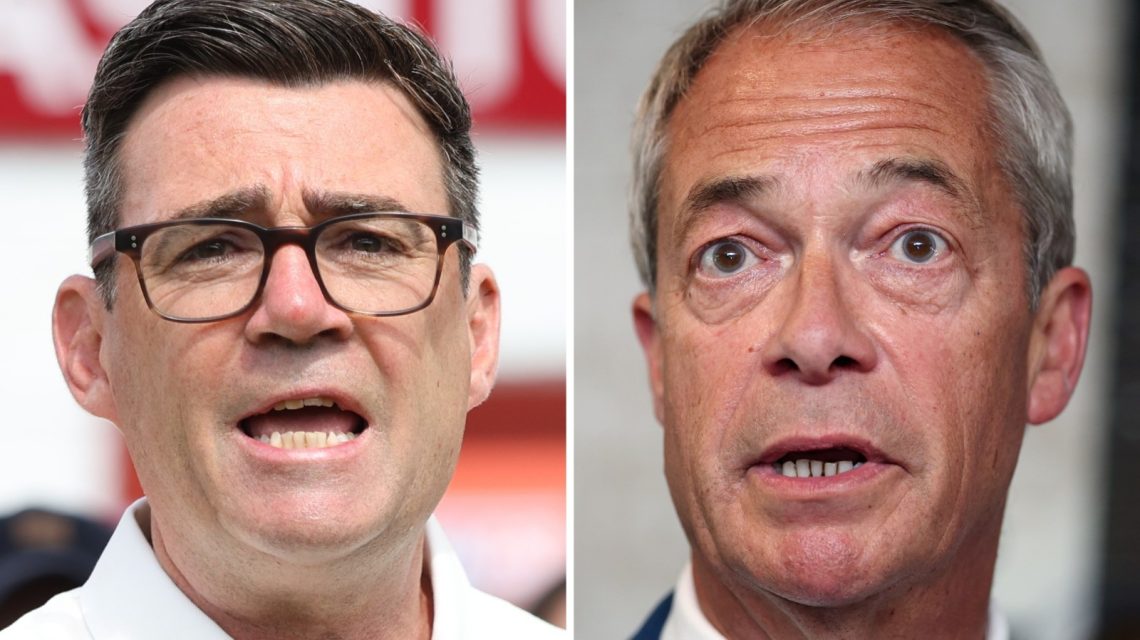
Andy Burnham, the Greater Manchester mayor and former Cabinet minister, stands as the immediate front-runner to replace Starmer. Seen as a credible alternative, Burnham connects well with northern England, addressing themes of class, public services, and patriotism.
However, any successor faces unprecedented pressure. Farage influences significant issues such as migration, net zero policies, and Brexit. Michel Barnier, the former EU Brexit negotiator, has suggested Britain might engage more closely with Europe without rejoining, while Trump’s administration focuses less on Labour’s internal dynamics and more on UK’s commitments to NATO, Ukraine, and other defense pacts.
Starmer’s departure brings crucial questions to the forefront: Can Labour bridge its divisions between urban progressives and working-class Brexit regions? Can Britain renew economic ties with Europe without reigniting Brexit tensions? Can it uphold its status as a key U.S. ally amid strained defense commitments?
Potential Political Scenarios
-
A Reform Government
Likelihood: LowA Reform-led government is conceivable but would require an early election, with Reform converting current polling leads into parliamentary seats. Projections suggest Reform as the largest party but not possessing a majority. A minority government with Conservative support could emerge, rapidly altering Britain’s EU relations and regulatory alignments.
-
Snap Election Leading to a Reform-Led Hung Parliament
Likelihood: Low to ModerateA snap election could transpire from Labour’s division or Burnham seeking a mandate, despite Labour having no immediate legal need to hold an election. Should it proceed soon, Reform might become the largest party, yet falling short of a majority due to tactical voting against them.
-
An Economic Decline Challenges Burnham
Likelihood: ModerateThis scenario sees Burnham’s government hindered by economic constraints. Key indicators signal financial pressure, limiting the potential for a populist approach. Burnham’s administration would navigate expectations to increase public spending amidst stagnant economic growth.
-
Burnham Survives, Yet Reform Dominates Dialogue
Likelihood: HighIn this outcome, Burnham becomes prime minister but fails to shift the political narrative, which Reform continues to lead. Labour adjusts its policy stances accordingly but remains overshadowed on issues like immigration and sovereignty.
-
Burnham Stabilizes Labour—Lacks Transformation
Likelihood: HighestBurnham may reach a point of stabilization within Labour. He captures some lost voter bases while maintaining governmental control. This scenario includes cautious EU realignments and an unchanged but slightly firmer U.S. relationship.
Conclusion
Burnham could stabilize Labour’s fortunes, regaining selective voter support and navigating the government without market alarms. A significant political collapse remains unlikely, but a social breakdown might arise if economic hurdles and policy missteps occur.
The economic outlook suggests only modest recovery, not enough for a drastic political shift, leaving voters perceiving ongoing hardship. The UK’s future under these circumstances could see Burnham in power, minimal European policy changes, and sustained Reform momentum challenging traditional two-party systems.
 Supreme Court Permits Trump Administration’s Third-Country Deportation Strategy
 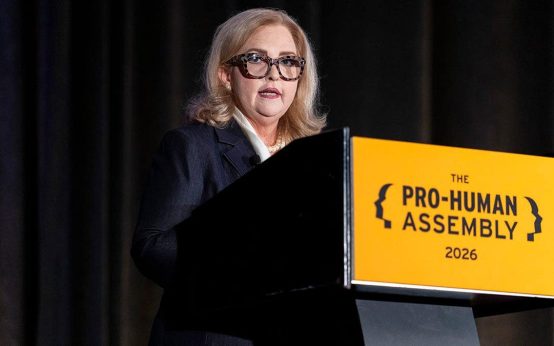 Conservative Activist Urges AI Safety Measures
 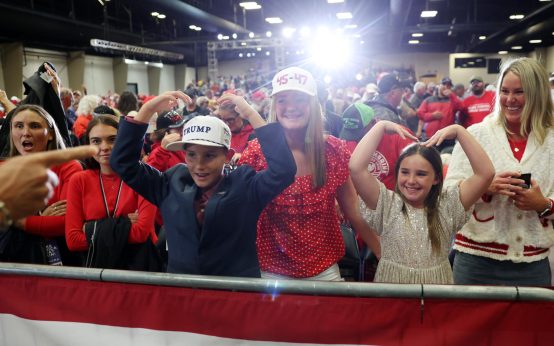 Trump Rallies in Red States Ahead of Midterms
 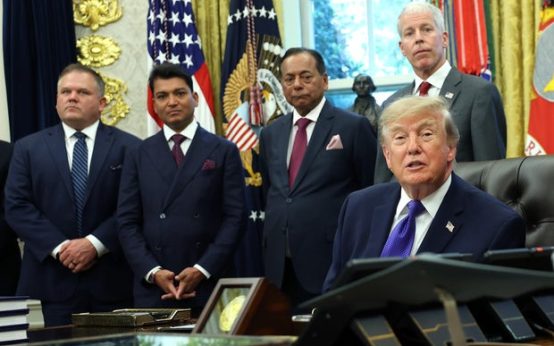 Contentious Tax Incentives Spark Debate Over Iowa Steel Plant
  Strategic Moves for Democrats Leading to Election Day
  Texan Voters and Concerns Over Ken Paxton’s Trump Alliance