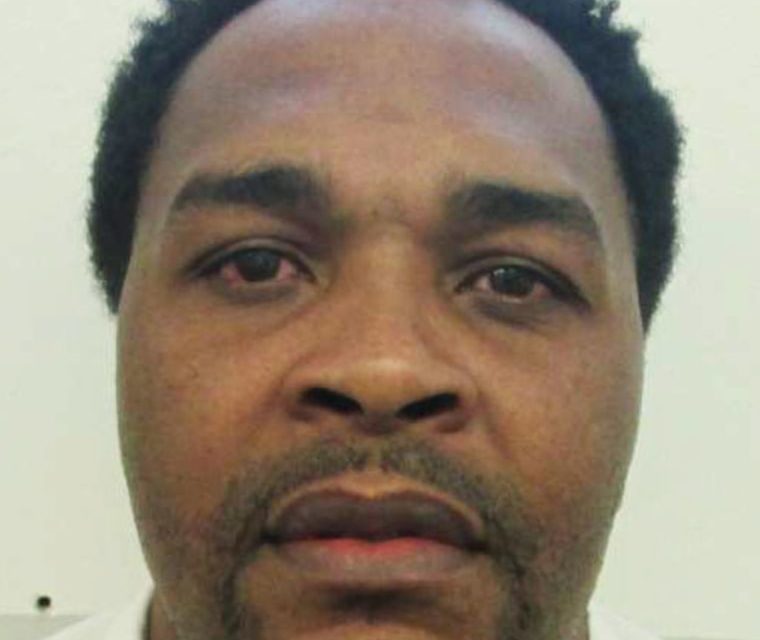
A death row inmate had his planned execution stopped when a federal court deemed Alabama’s use of nitrogen gas unconstitutional for violating the ban on cruel and unusual punishment. Jeffery Lee, who has been on death row for nearly 30 years, expressed mixed emotions over the ruling during a phone interview with NBC News from the William C. Holman Correctional Facility in Alabama.
“It’s like an expected sigh of relief in one aspect, and then you still got to stay and maintain your focus and continue to fight,” Lee said. Despite the ruling, his fate remains uncertain. Alabama Attorney General Steve Marshall filed an appeal, potentially bringing the case to the Supreme Court, which has supported Alabama’s nitrogen executions after last-minute appeals. Marshall’s office declined to comment.
Lee was set to be the ninth person executed by nitrogen hypoxia, a method developed by Alabama in 2024 involving breathing pure nitrogen via a mask without oxygen. Seven executions occurred in Alabama, with one in Louisiana. The state primarily uses lethal injection, last performed in April 2025, but has faced challenges sourcing the necessary drugs. Lee filed a lawsuit against nitrogen last August.
During a February bench trial, U.S. District Judge Emily Marks heard evidence that nitrogen executions cause “severe air hunger,” resulting in “extreme emotional distress, panic, anxiety, and fear.” Marks initially upheld the method as constitutional, but the 11th Circuit Court of Appeals overturned this decision and instructed a district court review of Lee’s request for execution by firing squad instead. Marks then permanently blocked Alabama from executing Lee by nitrogen.
Marshall argued about the implementation challenges of a firing squad, such as finding willing shooters and preventing missed shots. Witnesses of past nitrogen executions in Alabama described intense suffering from gasping for air while restrained. A witness to Anthony Boyd’s nitrogen execution in October noted a long process with Boyd declared dead 30 minutes after air flow began.
Lee expressed distress for those previously executed by the method now ruled unconstitutional. He joined death row at 23 and felt as though he lost “family members.” Lee was convicted in 2000 for the 1998 murders of Jimmy Ellis and Elaine Thompson during a robbery. He was sentenced to life without parole, but a judge opted for the death penalty using a judicial override, outlawed in Alabama in 2017.
Lee, who has shown remorse and turned to Christianity, does not fear death, believing in his redemption. He hopes the legal victory stops nitrogen executions. “God — he’s not finished,” he asserted.
The Supreme Court’s future decision will determine the fate of nitrogen executions, stated Robert Dunham from the Death Penalty Policy Project. The Supreme Court previously declined to halt a nitrogen execution in Alabama. If Lee’s case reaches the Supreme Court, the attorney general’s appeal could overturn the lower court’s ruling, allowing the execution to proceed, or the Supreme Court could review during their next session, delaying it further.
Dunham mentioned a rare chance for Alabama Governor Kay Ivey to commute Lee’s sentence, though it is unlikely, as her administration plans to continue with the execution. The federal court ruling on the unconstitutionality of nitrogen gas executions remains significant. Judge Marks stated other execution methods, like lethal injection and electrocution, are still possible.
Attorney MiAngel Cody, part of Lee’s legal team, called for clemency from Governor Ivey, citing flaws in the nitrogen gas execution method. “We remain hopeful that Governor Ivey will grant clemency,” Cody stated.
 Federal Judge Blocks Deportation of Immigrant Shot by ICE
  Body Camera Footage Released of Venezuelan Immigrant’s Arrest After ICE Shooting
 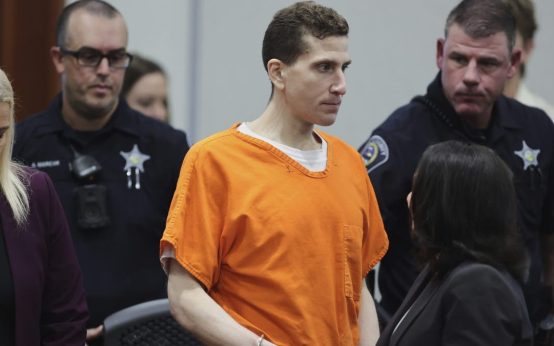 Prosecutors Oppose Bryan Kohberger’s Plea Withdrawal
  Reiner Seeks Access to Trust Fund for Legal Defense
 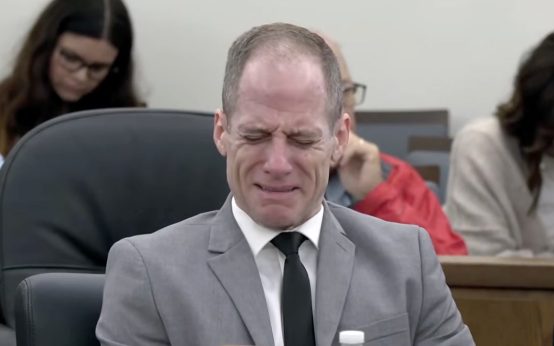 Former ‘American Idol’ Contestant on Trial Over Missing Gun and Allegations of Murder
 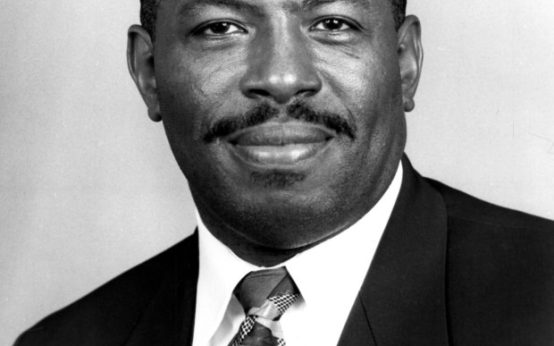 Family Remembers Cook County Judge Raymond Myles During Sentencing Hearing