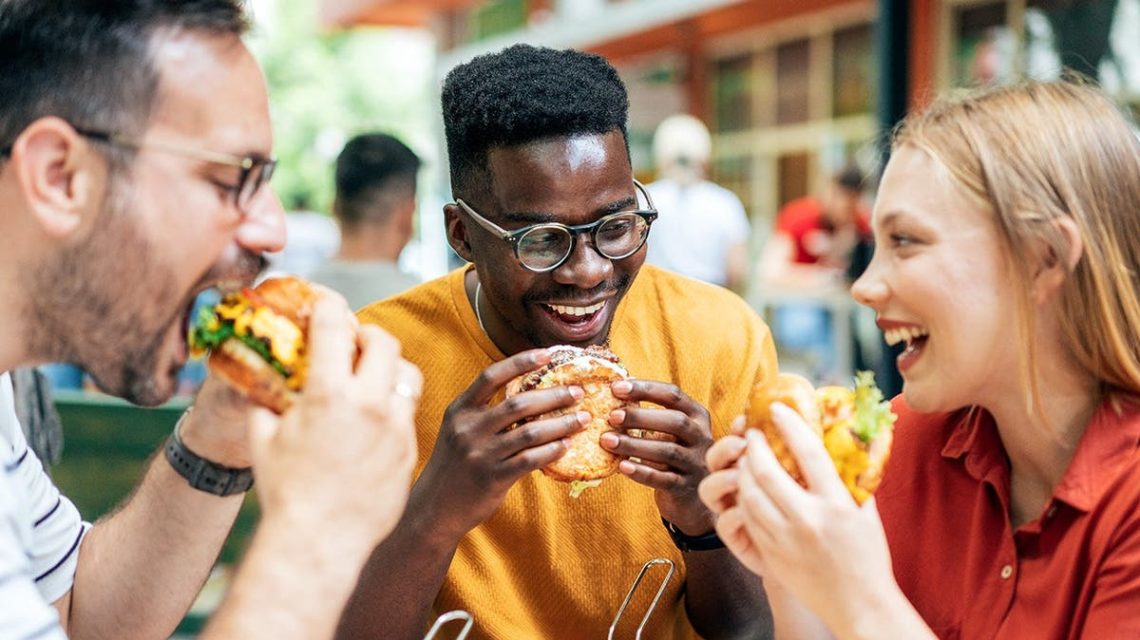
Researchers from Stanford University have trained an artificial intelligence (AI) system to craft burgers. Diners rated these AI-created burgers as highly as those from a famous fast-food chain. In the study published in npj Science of Food, the AI tool, named BurgerAI, used 2,216 burger recipes sourced from Food.com.
Innovative AI in Culinary Creation
BurgerAI’s creations sometimes equaled or surpassed the taste of McDonald’s Big Mac, according to blind taste tests. Notably, the Big Mac was not part of the initial AI training data. The AI learned to craft similar recipes based on understanding consumer taste preferences.
The AI designed burgers focusing on taste, environmental sustainability, and nutrition, outperforming some popular restaurant offerings.
BurgerAI also develops burgers tailored for nutritional value and sustainability, with personal adjustments based on gender, age, and physical activity.
Food: A Model for Broader AI Application
Researcher Vahidullah Tac described food choices as crucial decisions impacting both planetary and personal health. BurgerAI’s potential extends beyond food, aiming at scientific and engineering innovation.
Professor Ellen Kuhl emphasized that most AI systems predict what already exists. BurgerAI, however, aims to invent solutions to meet complex objectives rather than replicate known dishes.
Blind Taste Test Insights
During blind taste tests with over 100 participants, BurgerAI’s creations, crafted by an executive chef, scored well in liking, flavor, and texture. The AI-designed mushroom burger showed a much lower environmental impact than traditional offerings. Its bean burger scored nearly twice as high nutritionally.
“We discovered a burger with a significantly lower environmental impact can still compete with renowned global favorites,” Tac noted.
The possibilities for AI extend into various fields such as pharmaceuticals and product design, transforming sectors through innovation.
Kuhl stated, “For ages, food design relied on intuition and trial and error. Now, AI could revolutionize food design into a precise science, with applications that span beyond.”
 Data Centers Stir Controversy in Texas Amid Growth Boom
  Lymphatic Drainage and Ice Sculpting: Emerging Wellness Trends
  The Technology Rivalry: Trump’s Meeting with Xi and the AI Ecosystem Clash
  Ways to Protect Your Finances from Cyber Threats
  Interview with Nvidia CEO Jensen Huang: AI Outlook and Business Strategy
  Chef Brian Landry and the Rhythms of Bayou Bar