Cybercrime caused significant financial losses of nearly $21 billion last year, pushing Kurt Knutsson to highlight the escalating risk of AI scams. He discussed the FBI’s findings that investment fraud alone resulted in $8.65 billion in losses on ‘Fox & Friends Weekend’. To help families safeguard their finances, Knutsson hosts a free live class offering advice on account security.
Understanding the Scam
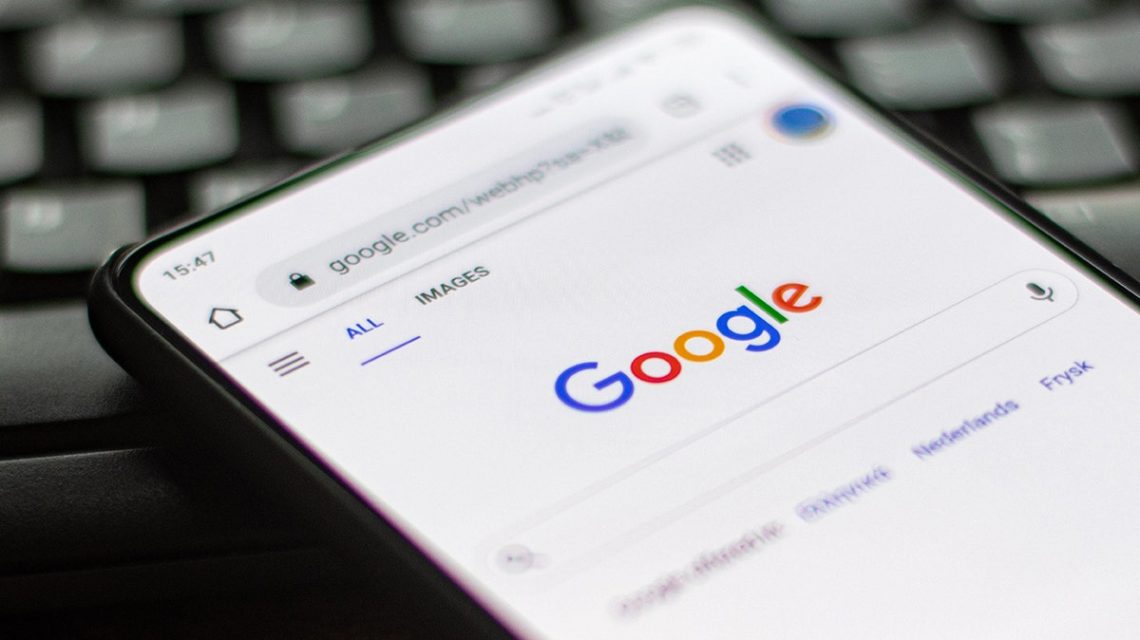
When you search online for your bank’s website and click a misleading link, you might end up on a fraudulent page. Federal investigators have found that criminals exploited this daily habit to gain bank logins and deplete accounts. The Justice Department reported on a Russian developer, extradited to the U.S., for his role in a major bank account compromise scheme. This group purchased search engine ads that directed users to fake login pages, capturing their credentials under false pretenses.
How the Fake Bank Ad Scam Operated
Spoofed domains resembling legitimate financial institution websites were central to this operation. Criminals purchased ad links on search engines, leading users to counterfeit pages where they entered their credentials. Subsequently, these credentials allowed unauthorized access to real bank accounts, enabling wire transfers.
Sergei Anatolyevich Filimonov, accused of building the supporting infrastructure, created systems storing thousands of stolen logins. Fake adverts closely mimicked legitimate ones, tricking users into exposing sensitive information.
Risks with Sponsored Search Results
Many users assume sponsored search results are secure. However, these paid positions can lead to phishing sites. The FBI refers to such tactics as SEO poisoning. By using bookmarks or official banking apps, you can mitigate risks.
The problem extends beyond one operation, with over 5,100 complaints since 2025, accumulating losses exceeding $262 million. Criminals employ various methods, including phishing websites and social engineering, to gain access to accounts.
Protective Measures Against Fake Ads
- Use your bank’s official app for direct access.
- Bookmark verified banking websites.
- Examine web addresses carefully before entering credentials.
- Do not trust a “Sponsored” label blindly.
- Keep multifactor authentication enabled.
- Ensure your password manager recognizes verified sites.
- Deploy robust antivirus software for added security.
- Activate financial account alerts for timely notifications.
- Consider identity theft protection services.
- Immediately contact your bank and change credentials if compromised.
Extradited to the U.S., Filimonov faces charges related to this scheme, emphasizing the widespread threat that continues to target unsuspecting online bankers.
Conclusion
Edit your approach by avoiding reliance on search results for accessing bank logins. Use official apps or verified bookmarks to secure your financial transactions. These precautions will help prevent fraudulent activities arising from sophisticated cyber scams.
 The Technology Rivalry: Trump’s Meeting with Xi and the AI Ecosystem Clash
  Interview with Nvidia CEO Jensen Huang: AI Outlook and Business Strategy
  Concerns Rise Over Addictive Design of Sports Betting Apps
  Seton Hall National Security Graduate Fellowship Provides Hands-On Experience
  Concerns of AI Experts
  Major AI Companies Accused of Illegal Agreement to Slow Development