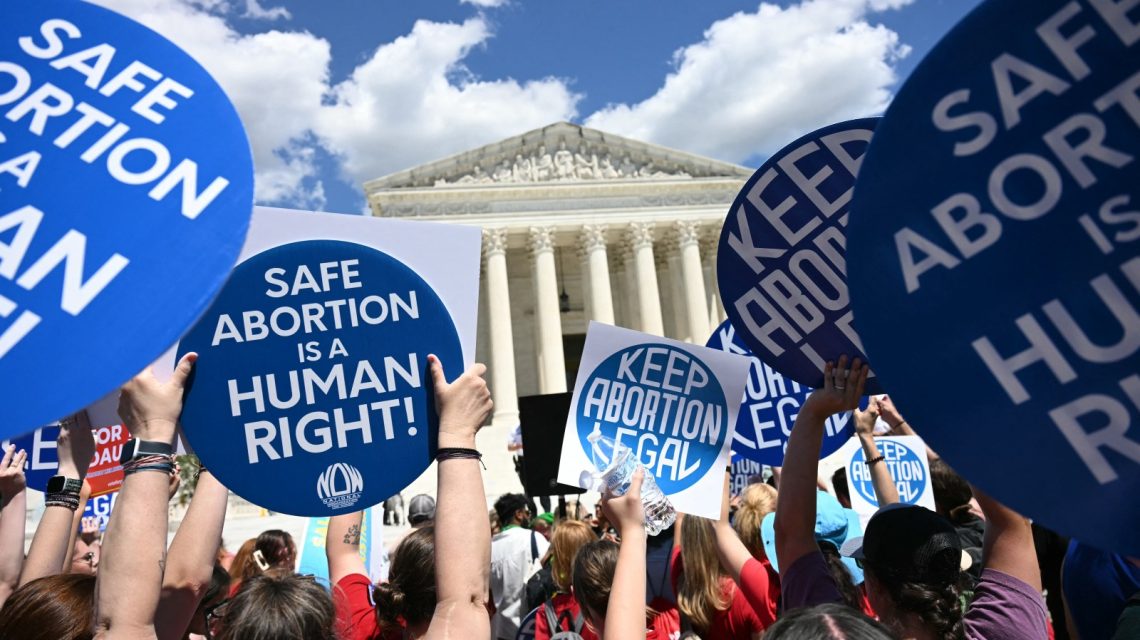
Current Abortion Statistics
Four years after the U.S. Supreme Court removed the constitutional right to abortion, the predicted decrease in procedures has not occurred. Instead, the number has risen. According to a Guttmacher report, more than 1.12 million abortions were performed by U.S. clinicians in 2025. This figure, which has remained stable over the last two years, is approximately 21% higher than in 2020.
Impact of Dobbs v. Jackson Women’s Health Organization
The 2022 ruling in Dobbs v. Jackson Women’s Health Organization overturned Roe v. Wade, ending nearly five decades of federal constitutional protection for abortion. This shifted the regulation of abortion to individual states, leading to a patchwork of laws ranging from near-total bans to increased protections.
“Counts are likely an underrepresentation of all abortions in the US. #WeCount has a comprehensive count of abortions provided by licensed clinicians, with more than 81% of all abortions reported and about 19% imputed.” – Society of Family Planning’s WeCount report
State-by-State Analysis
Despite bans, abortions still occur in all U.S. states, as revealed by the Society of Family Planning’s WeCount project. Telehealth services have facilitated most abortions in states with strict bans. These figures might underreport abortions occurring outside formal healthcare settings.
Post-Dobbs, predictions of a nationwide abortion decline have not materialized. Many strict restrictions have been enacted, yet the number of procedures is increasing. In Texas, for example, strict bans have led to dangerous delays in medical care, as seen in the case of Amanda Zurawski, who suffered severe complications due to delayed care.
Factors Contributing to the Rise
Several factors are driving the unexpected rise in abortions. The telehealth expansion and availability of medication abortion have revolutionized access. Remote consultations and mail delivery of abortion pills across state lines have reduced barriers, especially in states with strict bans.
Dr. Kristin Lyerly from Wisconsin emphasized how telemedicine has increased accessibility for patients. While some states have adopted restrictive laws, others have expanded services, creating new regional care hubs. States like Illinois, North Carolina, Kansas, and New Mexico have seen higher patient volumes, including out-of-state patients.
Regional Disparities
Although there is a national increase, significant regional disparities exist. In states with strict bans, access is severely limited, forcing patients to travel or seek alternatives. Meanwhile, states with legal abortion face increased demand from other areas, affecting resources.
Reflections and Calls to Action
On social media, various lawmakers and groups expressed their views four years after Roe v. Wade’s reversal. Some criticized the decision, citing increased abortions and calling for stricter laws. Others affirmed their commitment to protecting unborn life.
The Path Forward
The Dobbs ruling has fundamentally shifted abortion access in the U.S., transforming where and how people seek care. Instead of a nationwide decline, access has adapted in response to diverse policies. Legal battles and technological advancements continue to shape the landscape.
 New Initiatives Announced by Defense Secretary Pete Hegseth
  Physicians Advocate Against FDA Nominee Heidi Overton
  Democrat Gains Fundraising Edge in Traditionally Republican Texas Areas
  ASU Hockey Coach on Leave After Player’s Collapse
  Democrats Block Data Center Bill in Senate
  Understanding Congressional Pay and Reimbursements