For some, breakfast means quickly eating a piece of toast while rushing the kids to school. Others rely on coffee until lunch or skip breakfast altogether, hoping to eat later. However, the first meal of the day is important, more so than many realize.
Expert Insights on Breakfast Habits
Toby Smithson, who has lived with type 1 diabetes for over 50 years, serves as the senior manager of nutrition and wellness at the American Diabetes Association. She shared several breakfast habits to avoid for better blood sugar management and satisfaction through the morning.
Common Breakfast Mistakes
Skipping Breakfast
One major mistake is skipping breakfast entirely. People may think this will help reduce calories, but it may negatively impact blood sugar control and hunger later. Smithson explains that eating breakfast can assist in distributing carbohydrate intake evenly, preventing large spikes later.
While blood sugar spikes occur naturally when eating, meals high in refined carbs and low in protein or fiber may cause rapid changes in glucose levels. These fluctuations can lead to hunger sooner, encouraging snacking and complicating weight management. A balanced breakfast with fiber-rich carbs, lean protein, and healthy fats can promote fullness until lunch.
Ignoring Carbohydrates Entirely
Carbohydrates are often misunderstood, but avoiding them entirely isn’t beneficial. Smithson notes that the right amount of carbs for breakfast depends on personal health goals and blood glucose patterns. High-fiber options like fruits, beans, and whole grains combined with protein or healthy fats may support stable blood glucose and provide lasting energy.
Not Getting Enough Protein
Consuming breakfast heavy in carbs but low in protein is another habit to avoid. Protein contributes significantly to feeling full longer. Incorporating foods like eggs, cottage cheese, Greek yogurt, and tofu alongside fiber-rich carbohydrates increases satisfaction and decreases mid-morning snack temptation. Smithson emphasizes that a combination of protein and fiber provides sustained energy throughout the morning.
Assuming Certain Drinks Are Healthy
Many breakfast beverages seem nutritious but contain high sugar and calorie levels. Specialty coffee drinks like lattes, mochas, frappes, and flavored iced coffees are common offenders. Although perceived as natural alternatives, these drinks impact blood glucose same as other added sugars.
Constructing a Balanced Breakfast
Smithson suggests focusing on building breakfasts based on a simple formula: pair lean protein or healthy fat with a high-fiber carbohydrate. Examples include eggs with whole-grain toast and sliced tomato, cottage cheese with fruit, or tofu and vegetables in a whole-grain wrap. Such combinations increase satiety and deliver sustained morning energy.
Simple Breakfast Upgrades
For a quick improvement, Smithson advises filling half a plate with non-starchy vegetables, a quarter with lean protein, and a quarter with quality carbs. A low-carb, low-saturated-fat choice is an egg white wrap with tomatoes and spinach, accompanied by a plant-based sausage patty.
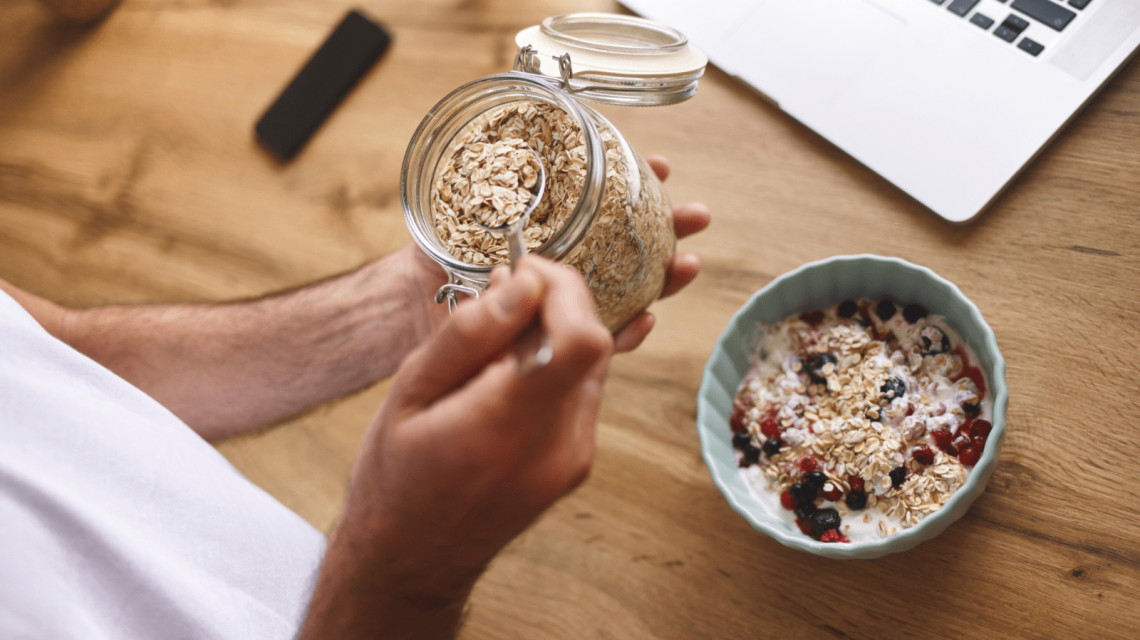
Another healthy option is overnight oats made with high-fiber oatmeal, low-fat milk, topped with nut butter.
Contact Newsweek editors on this story: Kara Dolman and James Debens
 Weekend Events Roundup in the Region
  Simplifying Men’s Skincare with Particle’s Six-in-One Moisturizer
  VA Invests in Community Programs to Tackle Veteran Suicide
  Rising Interest in Solo Travel Spurs Industry Adaptation
  More Funding Needed for Psychiatric Hospitals
  Improving Funding for Psychiatric Hospitals