
Childhood Mishaps and Serious Diagnoses
In the Glover family’s living room in Hammond, young Eliazer Glover had a typical child’s accident, injuring his elbow while playing. His mother, Kal Glover, comforted him with a kiss, easing his pain quickly. However, a more significant challenge loomed: Eliazer’s diagnosis of sickle cell disease. Despite this, Kal and her husband, Samuel Glover, remain determined to ensure the condition does not define their child.
“I don’t want the stigma to be, ‘Oh, you have sickle cell, you can’t do this with other kids,’” Kal Glover said, emphasizing the importance of allowing Eliazer to demonstrate his capabilities.
Unexpected News
The Glovers discovered Eliazer’s condition soon after his birth, at their first pediatrician visit. Although aware of the possibility due to family background, they initially expected him to carry the sickle cell trait rather than the disease itself, leading to confusion and a search for understanding.
Understanding Sickle Cell Disease
Sickle cell disease involves a group of inherited disorders affecting hemoglobin in red blood cells, according to the National Heart, Lung, and Blood Institute. Normal blood cells are disc-shaped. However, for those with sickle cell disease, cells take on a crescent shape, impeding their movement through blood vessels and blocking blood flow.
Family History and Community Impact
Eliazer’s form of the disease, Hemoglobin SC, is milder. The Glovers only learned that both sides of their family carried traits during their first pediatric visit. Samuel Glover’s prior exposure to sickle cell disease came through a relative, which informed their journey and response to Eliazer’s diagnosis.
Prevalence and Challenges
Dr. Laura Tyrrell, a pediatric hematologist, explains the genetic background and prevalence of sickle cell disease, noting its links to regions with historical or current malaria exposure. Sickle cell acts as a protective trait against malaria, hence its higher presence in African Americans—approximately 8% have the trait.
This disease can lead to painful episodes when blood flow is obstructed, with emergency medical attention required during high fevers or extreme temperatures.
Managing Daily Life
The Glovers carefully monitor Eliazer’s temperature to prevent complications. Eliazer receives additional vaccines and a bi-daily liquid penicillin dose to support his underdeveloped spleen until age five. Despite his youth, Eliazer is cooperative with his medication and even reminds his parents when it’s time.
Limited Resources and Research
In Indiana, the resource challenge is evident, with limited care options available locally. Initially, the family traveled to Indianapolis for care, but now they access support at a clinic in Gary, greatly easing their travels and access to resources.
Research and resources for sickle cell disease lag behind other fields, partly due to historical funding issues. Kal Glover voices frustration at the limited focus on diseases predominantly affecting Black Americans, urging for increased study and support.
Living Beyond the Diagnosis
Despite the presence of sickle cell disease in their lives, the Glovers cherish Eliazer’s personality and development, finding joy beyond the condition. They assert that Eliazer’s spirit and health present him as a typical child, defying conventional expectations.
 Jeremy Scott: Navigating Life with Early-Onset Alzheimer’s
 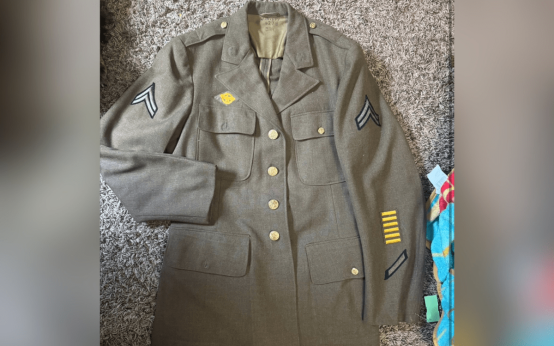 Unexpected Discovery in Indiana Thrift Store Unites Family with WWII Heirloom
  Understanding the Q-Collar’s Role in Brain Protection for Athletes and Soldiers
  Understanding and Addressing Everyday Memory Lapses
  Community Unites to Aid Elderly Texas Delivery Driver
  Veracruz’s Fandangos: The Heartbeat of Son Jarocho