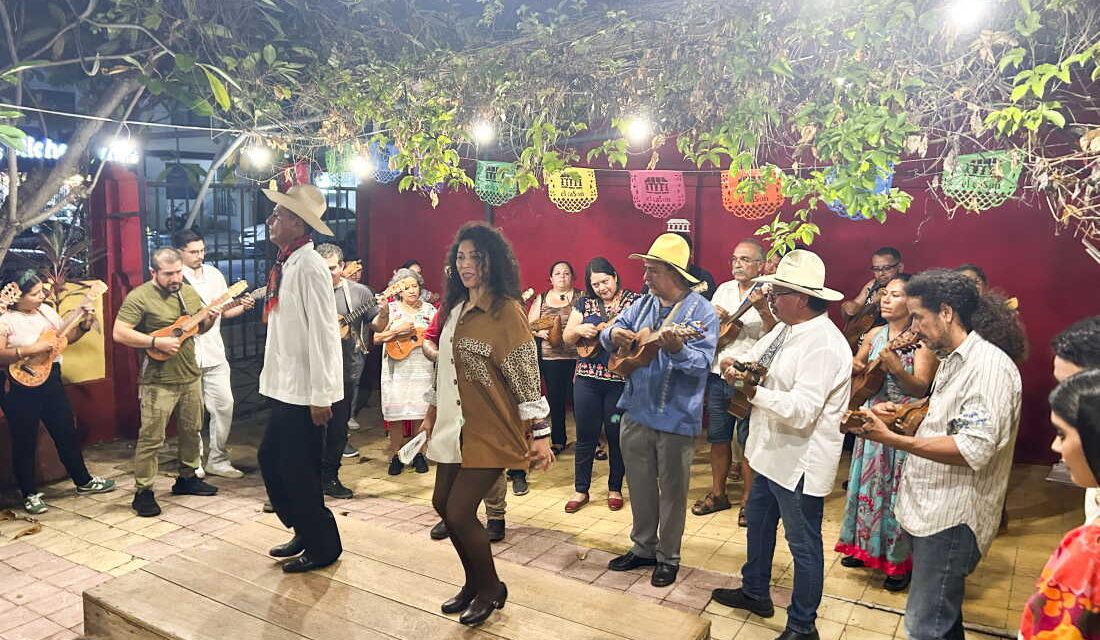
In Veracruz, a historic city on the Gulf of Mexico coast, music runs through its veins. Hourly, the bells in the central plaza’s clock tower play “La Bamba.” Unlike the version popularized by Ritchie Valens, this rendition has been part of the city’s tradition for centuries. “It’s our hymn,” said a local musician.
“La Bamba” is a central piece of son jarocho, a genre synonymous with Veracruz. This music plays a vital role in lively community events called fandangos, distinct from any online references and originating from a diverse cultural blend created post the arrival of Hernán Cortés in the early 1500s.
Fandangos have been a part of Veracruz’s culture for over 300 years, characterized by a fusion of European, Caribbean, and Indigenous musical influences. These gatherings, filled with instruments, songs, and dance, have garnered international popularity. However, to experience their authentic vibe, one should visit Veracruz.
A typical Saturday night in mid-August highlights the unyielding heat along the coast. Couples dance on a wooden platform, known as a taríma, enhancing rhythms with their heel taps. Accompanying them are musicians wielding a quijada, the jawbone of a donkey, creating unique sounds, complemented by the strings of a jarana, an eight-string guitar typical of the region. As the atmosphere intensifies, spectators join, transforming it into a widespread jam session. Songs like “La Bamba” stretch into a mesmerizing fifteen-minute collective performance.
Tacho Utrera, a Grammy-winning jarocho musician, remarks, “Fifteen minutes is nothing… La Bamba and the dancing can go on for an hour… it’s interminable!”
In the 1960s and 1970s, the popularity of fandangos waned. Regarded as low-brow, likened to the Delta blues of Mississippi juke joints, they became smaller family events. “When they spoke of son jarocho, they said it was the music of drunken people,” noted Gilberto Gutierrez, a son jarocho pioneer. Despite this, he went on to champion the genre.
With the rising global interest in authenticity and culture, son jarocho is enjoying renewed vigor. Modern fandangos commemorate various life events or simply exist to celebrate life itself. In the old city of Veracruz, the monthly Saturday night fandango is supported by the caSon Cultural Center, founded by Gutierrez and celebrating 25 years. “Fandangos happen because there’s community,” Gutierrez explained. “We all need to belong, and that’s why fandangos have spread far and wide.” Today, the music resonates in cities like Los Angeles, New York, and countries globally, including Finland, Germany, and Japan.
Integral to the fandango is el zapateo, integrating dance as percussion, maintaining rhythm on the taríma. “To step onto a taríma is an act of respect and skill,” emphasized Ada Veronica, a seasoned dancer, highlighting the necessity of skill and knowledge to partake in the dance.
Jarocho music and dance classes at El caSon rapidly fill up as both traditional and contemporary music forms gain traction among young Mexicans. Enthusiasts like Paloma Rizo, a new jarana player, express deep connection and involvement, “You simply feel it, you live it.” The essence of this experience is encapsulated in convivencia, literally “coexist,” yet in the context of a fandango, it means “alive together.”
 Keith Haring’s Artistic Legacy Celebrated at Crystal Bridges
  A Lesbian Bar’s Mask Controversy Highlights the Decline of Woke Culture
  Pig-Chasing Police and the Tale of Charlie Bacon and Rip
 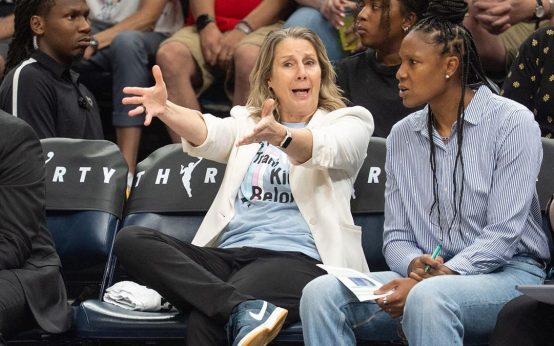 Minnesota Lynx Coach Cheryl Reeve Voices Support for Transgender Community Amid Controversy
  Bill Burr Discusses Healthcare CEO’s Murder Case
  Smithsonian’s History Museum Faces Scrutiny Amid Debates on Ideological Influence