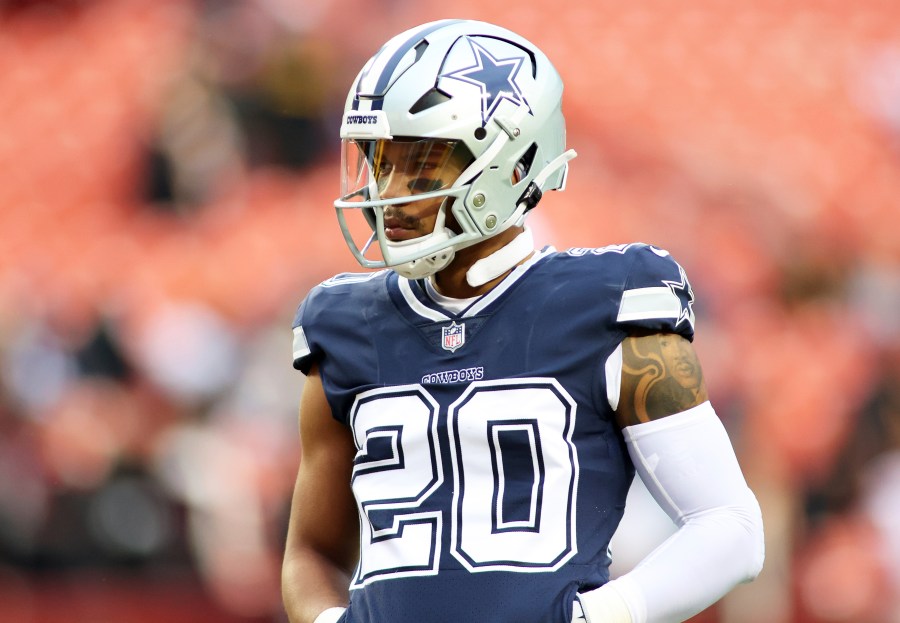
In recent NFL games, you may have noticed players wearing horseshoe-shaped collars around their necks. These are known as Q-Collars, designed to protect athletes’ brains during head impacts. Although these collars have gained visibility recently, they aren’t new. For instance, former Carolina Panthers linebacker Luke Kuechly sported one as early as 2016. Now, more players are adopting them weekly.
The Food and Drug Administration (FDA) approved the marketing of Q30 Innovations’ Q-Collars in 2021. The collars might reduce specific brain changes linked to injuries. Notably, the device isn’t limited to football players. The U.S. Army Medical Research and Development Command awarded Q30 Innovations a $2.8 million contract to explore potential benefits for soldiers against blast-induced traumatic brain injuries (TBIs).
When someone receives a head or body impact, they might suffer from TBIs. Blunt trauma accidents are a leading cause of TBIs, especially common in sports, according to the National Institute of Neurological Disorders and Stroke. During such accidents, the brain often moves freely, termed as “slosh” by the FDA.
The Q-Collar works by compressing the athlete’s jugular veins, increasing blood volume in the skull. This additional blood tightens the brain’s fit inside the skull, potentially reducing “slosh” movement.
However, the FDA warns against Q-Collar usage in athletes with certain health conditions and clarifies that it doesn’t prevent concussions or severe head injuries. Despite wearing the Q-Collar, Luke Kuechly experienced a concussion weeks later.
Experts, including Dr. Adil Hussain, a specialist in brain injury medicine, liken the collar’s function to a seat belt for the brain. Yet, concerns exist regarding athletes possibly overestimating its protective capabilities, as research hasn’t confirmed these claims. The New York Times reported on FDA’s skepticism about the study that led to the device’s approval, highlighting its unvalidated findings linking brain tissue changes in athletes with real injuries.
Though Q30 Innovations acknowledges the need for further research, many athletes across various sports continue using the collar. Prominent ambassadors include Tony Pollard of the Dallas Cowboys and retired Pro Bowler Vernon Davis.
As conversations about brain safety persist, understanding the effectiveness of devices like the Q-Collar remains crucial.
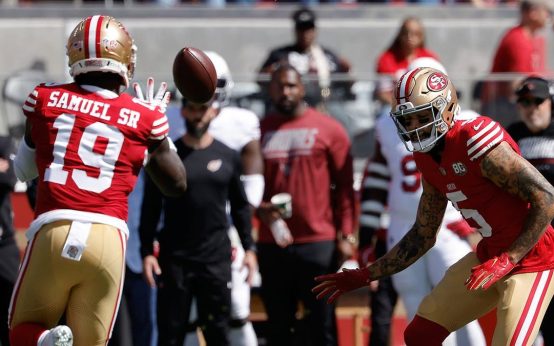 San Francisco 49ers Secure Early Lead Against Arizona Cardinals
 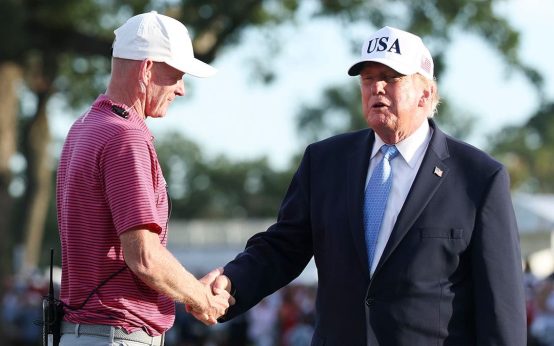 USA’s Impressive Comeback Secures Presidents Cup Victory
 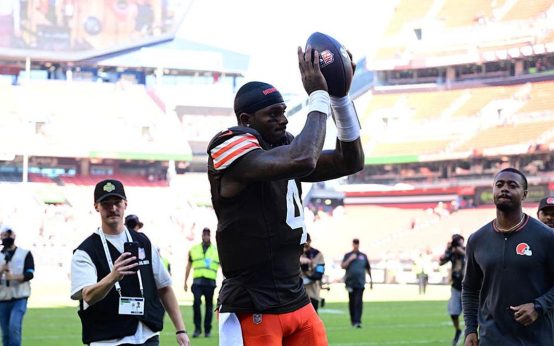 Deshaun Watson Wins Over Cleveland Fans in Dramatic Fashion
 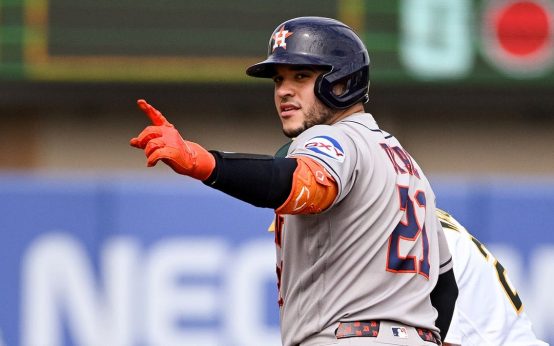 MLB’s Unprecedented Final Day Drama and Historic Division Win
 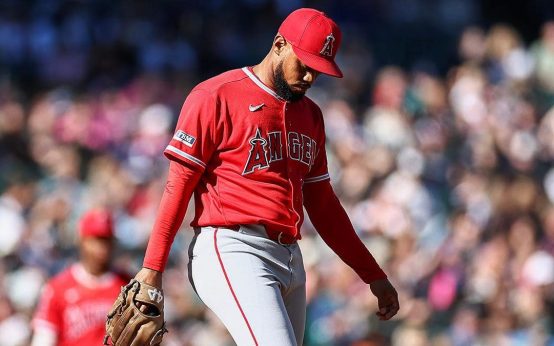 Anaheim Angels Face Historic 100th Loss in Challenging Season
 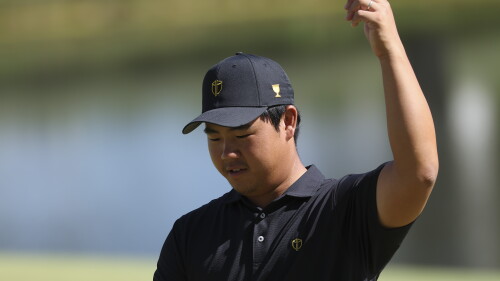 U.S. Triumphs at Presidents Cup with a Strong Comeback