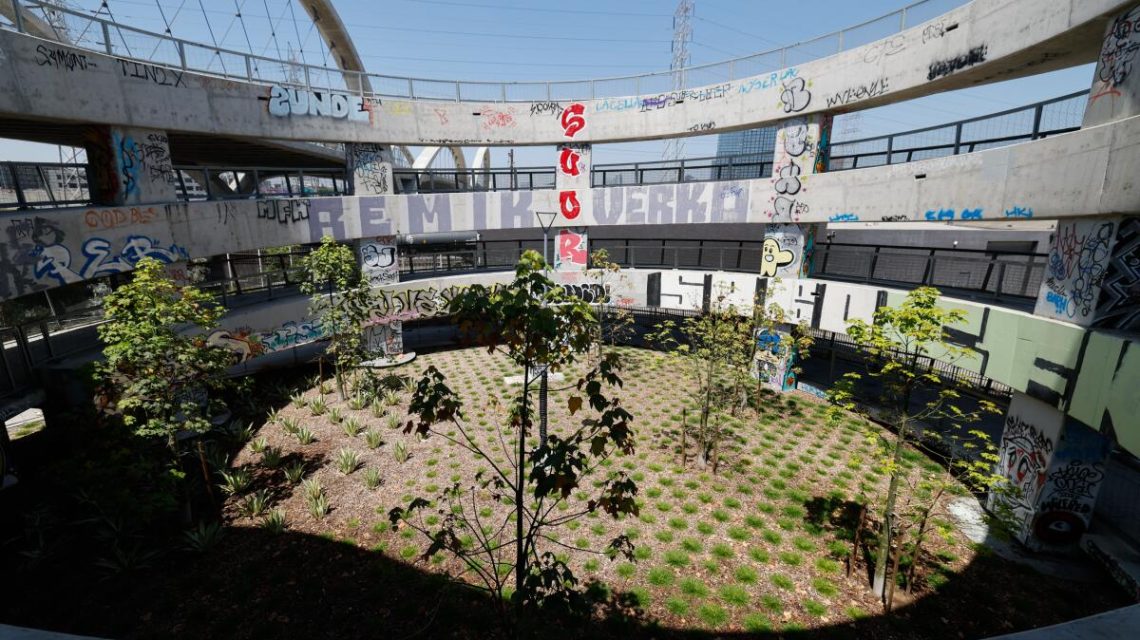
The 6th Street Bridge in Los Angeles is facing numerous challenges. The $588 million structure has been impacted by graffiti and theft of copper wiring, leaving it less illuminated at night. Beneath the bridge, there is a hope for transformation with the planned Sixth Street PARC, a $62 million project to create a vibrant park space connecting Boyle Heights to the Arts District.
Michael Maltzan, founder of Michael Maltzan Architecture, which designed the bridge, emphasized the park’s importance in uniting communities. Comprising 12 acres, the park will offer playgrounds, sports courts, splash pads in Boyle Heights, and seating, fitness areas, and art venues in the Arts District, including a tunnel to the L.A. River.
Civic ambition’s success seems uncertain due to existing issues with the bridge. Graffiti and litter are already appearing around the park area, posing concerns that the park might face similar challenges. Maintenance and security are critical for the park’s future. The Arts District Business Improvement District aids with neighborhood security, beautification, and programming, but the park’s Boyle Heights section lacks such support.
Boyle Heights faces obstacles like crime and gentrification, which risk displacement for local residents. Proposals for a Business Improvement District aim to address maintenance but raise concerns about private influence and exclusion. Creative industries have been drawn to Boyle Heights, with film studios and immersive exhibits emerging, bringing both opportunities and challenges.
Developer and activist Yuval Bar-Zemer proposed a nonprofit to manage the park and bridge, similar to Friends of the High Line in New York. Supported by city funds, filming revenues, and fundraising, the nonprofit would work with city agencies and Business Improvement Districts. Successful management could prevent issues like deterioration and create a central gathering place.
However, success could also amplify gentrification concerns. Residents worry about affordability and displacement risks. Public concerns have been considered through workshops, surveys, and meetings, but ongoing dialogue will be essential for addressing future challenges.
Despite challenges, there is optimism for the park’s role in supporting the area’s development opportunities. Success in navigating local pressures may allow the bridge and park to serve as models for future urban developments, enhancing the fabric of Los Angeles communities.
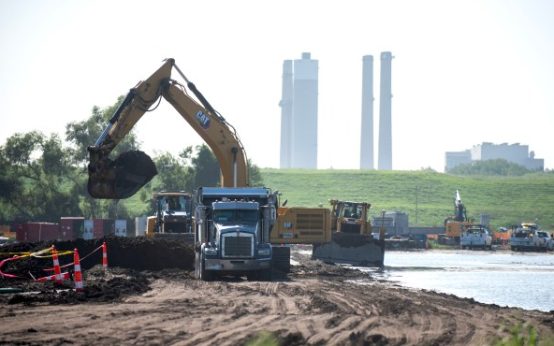 EPA Dismantles Greenhouse Gas Rules, Causing Concern
 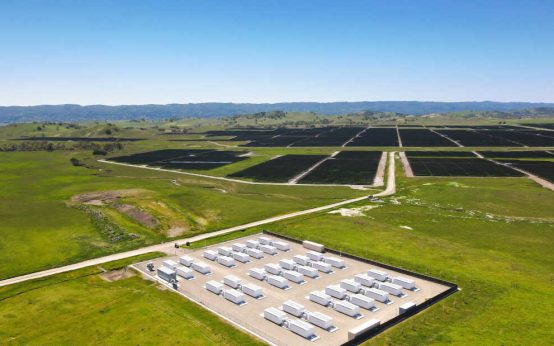 How Battery Innovations Transform Renewable Energy
  Data Centers Stir Controversy in Texas Amid Growth Boom
 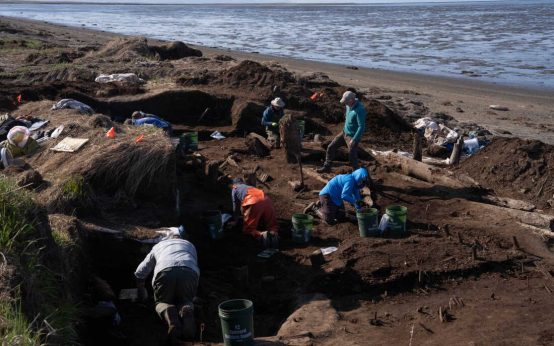 Urgent Archaeological Efforts in Quinhagak Stay Ahead of Erosion
  Concerns Rise Over NIPSCO Permit In Jasper County
  Reader Reactions on Grizzlies and Data Centers