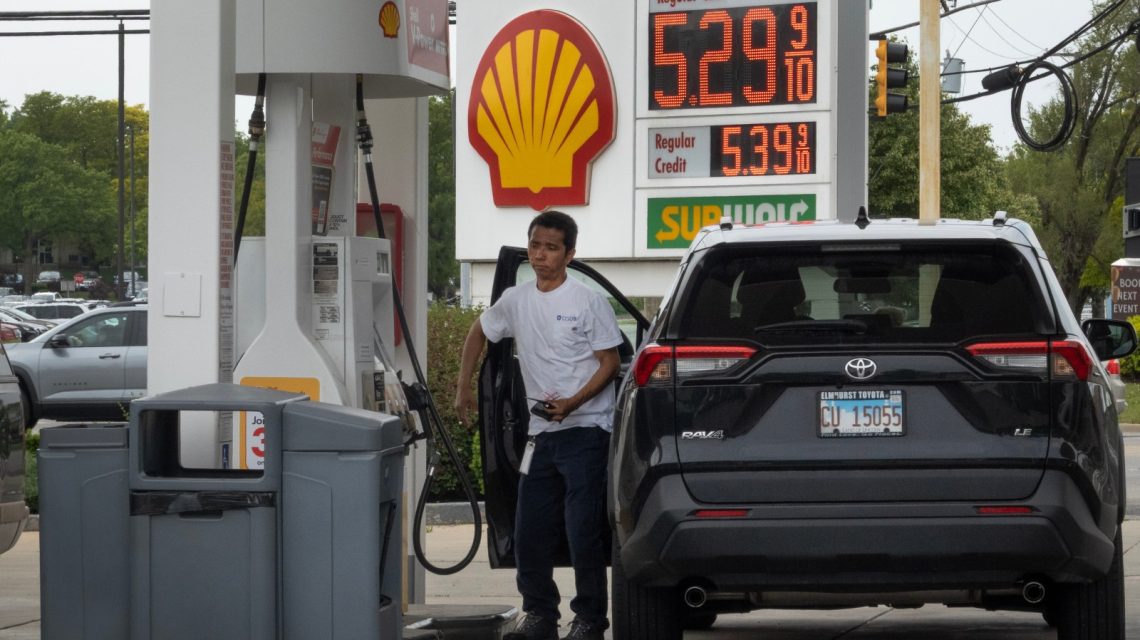
As the summer travel season kicks off, gas prices have reached some of their highest levels in recent years. AAA data indicates a significant disparity between regions. The national average now hovers in the mid-$4 range. However, certain states, particularly on the West Coast, have surpassed the $6 mark.
In contrast, states in the South and Midwest report some of the lowest average prices, though they have also seen steep increases since late February. The gap between the cheapest and most expensive states is now wider than in previous summers. Recent data highlights which regions face the highest costs at the pump.
States With the Highest Gas Prices
According to AAA data, the West Coast leads the list of states with the highest average gas prices as summer travel increases. The top states include:
- California – $6.094
- Washington – $5.752
- Hawaii – $5.655
- Oregon – $5.290
- Alaska – $5.255
- Nevada – $5.243
- Arizona – $4.767
- Illinois – $4.903
- New York – $4.584
- Connecticut – $4.604
These states face higher fuel costs due to environmental regulations, refinery limits, and restricted access to cheaper regional fuel supplies.
Regional Price Differences
While West Coast states endure some of the highest prices since 2022, the South and Midwest remain below the national average. Despite this, even lower-priced states have seen significant increases since the onset of the Iran war. This global oil market disruption affects all drivers, with some facing higher costs than others.
Travel Costs: Then and Now
The rise in gas prices has made long-distance travel noticeably costlier than last year. With a current national average of $4.46 per gallon compared to $3.17 last year, the price difference is substantial. A typical car getting 25 miles per gallon requires about 40 gallons for a 1,000-mile trip. At today’s prices, that journey costs approximately $178. Last year, the cost was about $127, marking a $50 increase for a similar trip.
For families planning several road trips, these added expenses add up. Households driving thousands of miles this season could spend hundreds more than in 2022. Analysts indicate prices may remain high, particularly with continued disruptions in crucial oil transit routes like the Strait of Hormuz. Even if prices stabilize, travel costs are already substantially higher, prompting many Americans to adjust their plans.
Travel Adjustments Due to Fuel Costs
Elevated fuel prices are changing how Americans travel. AAA’s Memorial Day forecast showed a large number of people planning road trips. However, many are opting for shorter trips or nearby destinations. With gas prices over a dollar higher than last year, travelers are cutting itineraries, reducing stops, or choosing long weekends instead of elaborate vacations.
Surveys from GasBuddy and other platforms reveal that rising prices push some Americans to skip vacations. While 56 percent of respondents intend to travel this summer, many are delaying trips, cutting nonessential travel, or choosing less expensive lodging and activities to balance fuel costs. Despite strong demand, financial constraints are influencing travelers’ decisions on travel distances and frequency.
States Benefiting From Road Trips
States with robust tourism economies, especially those abundant in national parks, scenic highways, and outdoor attractions, benefit greatly from road trip travel. Data from Roadtrippers highlights California, Florida, and Texas as top road-trip destinations, capturing significant domestic travel spending. California alone accounts for over 16 percent of all road-trip destinations, with its national parks, coastal routes, and extensive attractions network.
States with iconic natural landmarks see major economic boosts from road-trip tourism. Arizona, Utah, Wyoming, and South Dakota consistently rank among the most visited states due to destinations like the Grand Canyon, Zion, Yellowstone, and Mount Rushmore. These states heavily rely on travelers who drive to reach remote parks, small towns, and scenic routes. Although gas prices are rising, these areas continue to attract millions of visitors each summer, making road-trip tourism vital to their economies.
 Crafting the Ideal Sports Bar Experience
  Tomato Paste Consumption: Effects on Cognitive Functions
  Addressing Grief and Parenting in Widowhood
  PepsiCo’s Response to US Snack Volume Issues and Grocery Product Discontinuations
  Teen Pickleball Star Faces a Busy Schedule
  The Benefits of Quitting and When to Walk Away