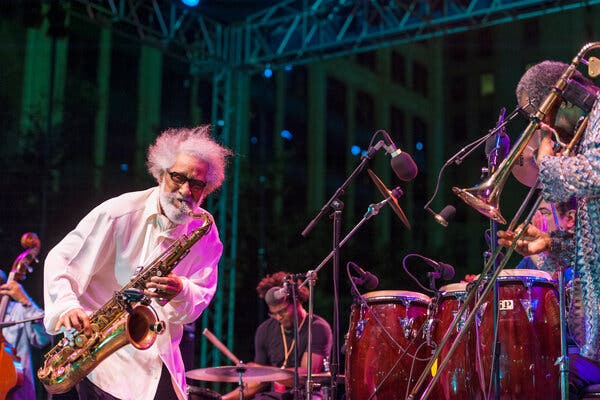
Walter Theodore Rollins, known to the world as Sonny Rollins, has earned titles such as the “saxophone colossus” and jazz’s heavyweight champion. Renowned for his relentless dedication, he has become an icon in the jazz world.
Sonny Rollins grew up in 1940s Harlem, a fertile ground for jazz innovation. He admired swing-era legends like Coleman Hawkins and the energetic style of jump-blues saxophonists such as Louis Jordan. However, his life shifted with the advent of Charlie Parker and the bebop revolution in Harlem. Rollins described Parker as daring, highly intricate, and intellectually demanding.

Sonny Rollins at the Detroit Jazz Festival in 2012. Photo Credit: Jack Vartoogian/Getty Images
Bebop’s focus on skill and intellect resonated with Rollins, making it a personal calling. His compositions like “St. Thomas,” “Oleo,” and “Airegin” have turned into jazz standards. Rollins did not rest on creating them; he continuously reshaped and expanded their boundaries, exploring how these expansions could evolve.
Rollins’s sound remains both memorable and elusive. Throughout his extensive career, spanning over seventy years and sixty albums, he continuously pushed himself to play, embodying a passion for jazz that is palpable.
Despite having retired from public performance in 2012 due to health concerns, Rollins continues to engage with music through avid listening. He often shares his admiration for modern saxophonists, reflecting his lifelong commitment to jazz.
A collection of musicians, scholars, and critics have curated playlists and insights to explore Rollins’s impressive catalog. Engage with their selections, and feel free to add your own top picks in the discussions.
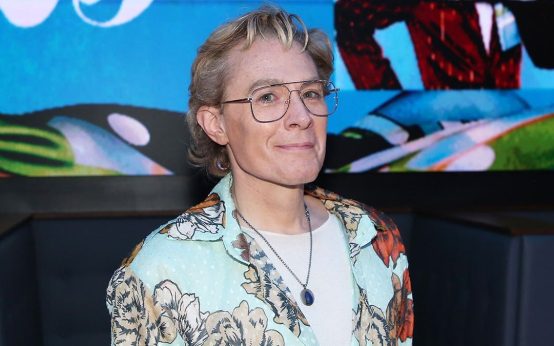 Clay Aiken Reflects on Public Outing by Rosie O’Donnell
 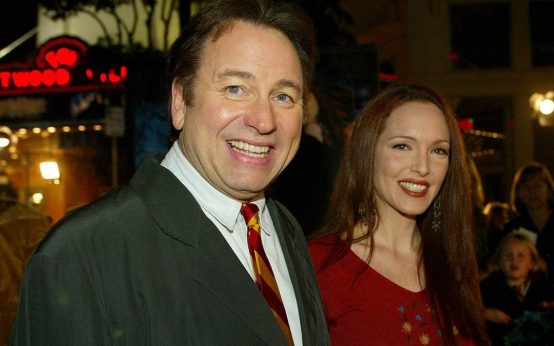 Raising Awareness for Aortic Dissection: John Ritter’s Legacy
 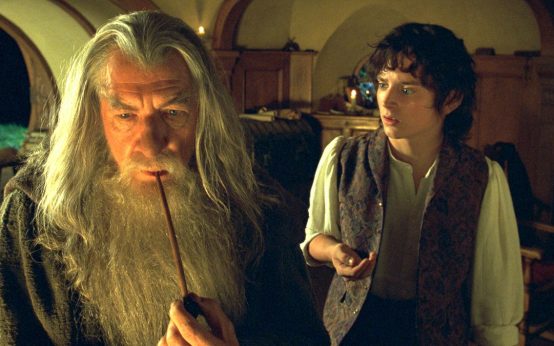 The Changing Landscape of Fantasy: Balancing Storytelling and Modern Content
  Ashley Dupré Reflects on Past Controversies
  Ed Sheeran Addresses Fans Amid Controversy Over Macklemore Exit
  Kate Middleton’s Influence on the Monarchy and Her Relationship with Prince William