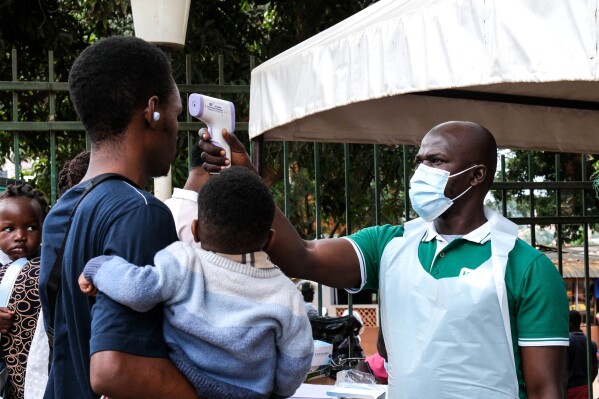
Arson attacks on Ebola treatment centers in eastern Congo highlight significant challenges for authorities, including community backlash, as they combat an outbreak that has become a global health emergency. Fires at centers in two towns at the outbreak’s core reveal public anger in a region plagued by violence from armed rebel groups, mass displacement, government inefficacy, and reduced international aid, which experts claim have weakened health facilities.
‘A devastating set of emergencies are converging,’ said the Physicians for Human Rights nonprofit.
Enduring Violence in Eastern Congo
Eastern Congo has faced persistent attacks by numerous rebel and militant groups, some linked to foreign entities or extremist organizations. M23 rebels, supported by Rwanda, control parts of this region. Although the Congolese government maintains control over much of the northeastern Ituri Province, the Ebola outbreak’s center, this control remains fragile. The Allied Democratic Forces, a Ugandan Islamist group associated with IS, is among the main rebel forces responsible for violence against civilians.
Doctors Without Borders previously reported deteriorating conditions in Ituri, where security issues forced medical staff to relocate, leaving health facilities overwhelmed and, in some areas, under ‘catastrophic conditions.’
Mass Displacement and Health Risks
The U.N. humanitarian office indicates nearly one million individuals have been displaced in Ituri due to conflict, exacerbating the Ebola outbreak’s impact in regions already grappling with insecurity, displacement, and fragile healthcare systems, according to Gabriela Arenas, regional coordinator at the International Federation of Red Cross and Red Crescent Societies.
There is concern the disease could spread to large displacement camps near Bunia, where initial cases occurred. Authorities report over 700 suspected Ebola cases and 170 related deaths, mainly in Ituri. Other cases have emerged in North Kivu, South Kivu, and neighboring Uganda, where M23 rebels influence some areas.
The outbreak management involves collaboration between the Congolese government, rebel authorities, and various aid agencies.
Impact of International Aid Reductions
Experts assert international aid reductions last year by countries like the United States significantly impacted eastern Congo due to its multifaceted challenges. Cuts diminished capacities for detecting and responding to disease outbreaks, stated Thomas McHale, public health director at Physicians for Human Rights. Congo has faced over a dozen prior Ebola outbreaks.
Aid groups combatting this outbreak continue to struggle without necessary resources such as protective gear, testing kits, and burial supplies.
Julienne Lusenge, president of Women’s Solidarity for Inclusive Peace and Development, expressed the difficulty in obtaining supplies: ‘We have made requests to different partners, but we have not yet really received anything. We only have hand sanitizer and a few masks for the nurses.’
The Bundibugyo Ebola virus strain in this outbreak lacks an approved vaccine or treatment.
Community Relations and Resistance
The burning of treatment centers in Rwampara and Mongbwalu, with the highest Ebola case numbers, indicates community backlash complicating response efforts. Colin Thomas-Jensen, director of impact at the Aurora Humanitarian Initiative, believes these attacks reflect the ‘skepticism and anger’ in eastern Congo due to sustained violence and perceived neglect by the government and international peacekeepers.
Authorities’ enforcement of burial protocols to prevent further disease spread has also fueled tensions. Witnesses and police report the first Rwampara Ebola center fire involved local young men attempting to reclaim a friend’s body, accusing foreign aid workers of deception about Ebola.
In response, northeastern Congo authorities have restricted funeral wakes, gatherings exceeding 50 people, and have assigned armed soldiers and police to guard burials carried out by aid workers.
Associated Press contributors Mark Banchereau and Wilson McMakin from Dakar, Senegal, added to this report.
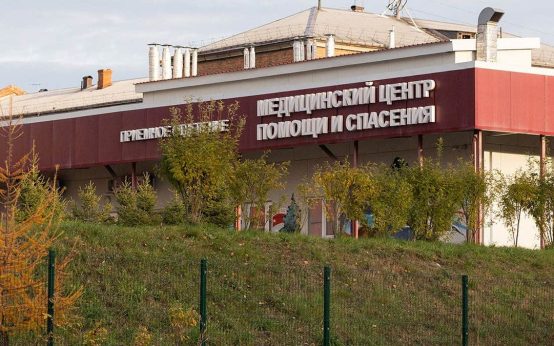 US Monitors Russian Pneumonic Plague Case
 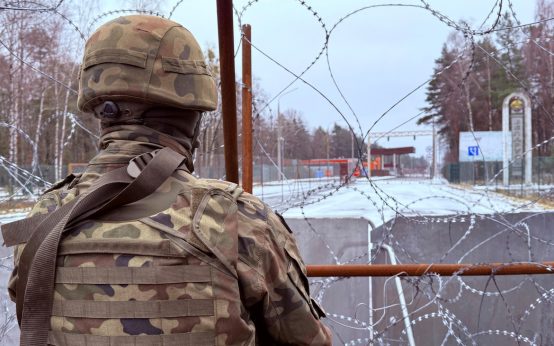 Poland Prepares for Potential Conflict Amid NATO Concerns
  Choosing the Best Probiotic Powder for Your Gut Health
 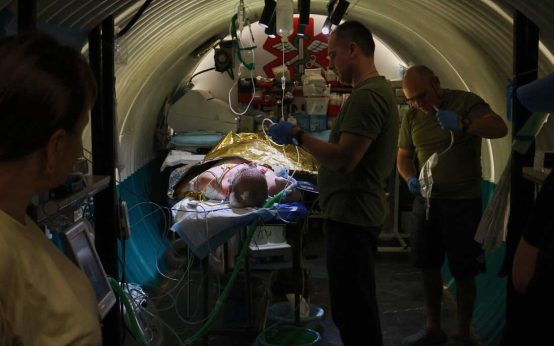 Drone Warfare Redefines Ukraine’s Frontline Conflict
  Key Developments in the Iran Conflict Affecting Global Oil Markets
  2026 Nobel Prize in Physiology or Medicine Awarded for Optogenetics Research