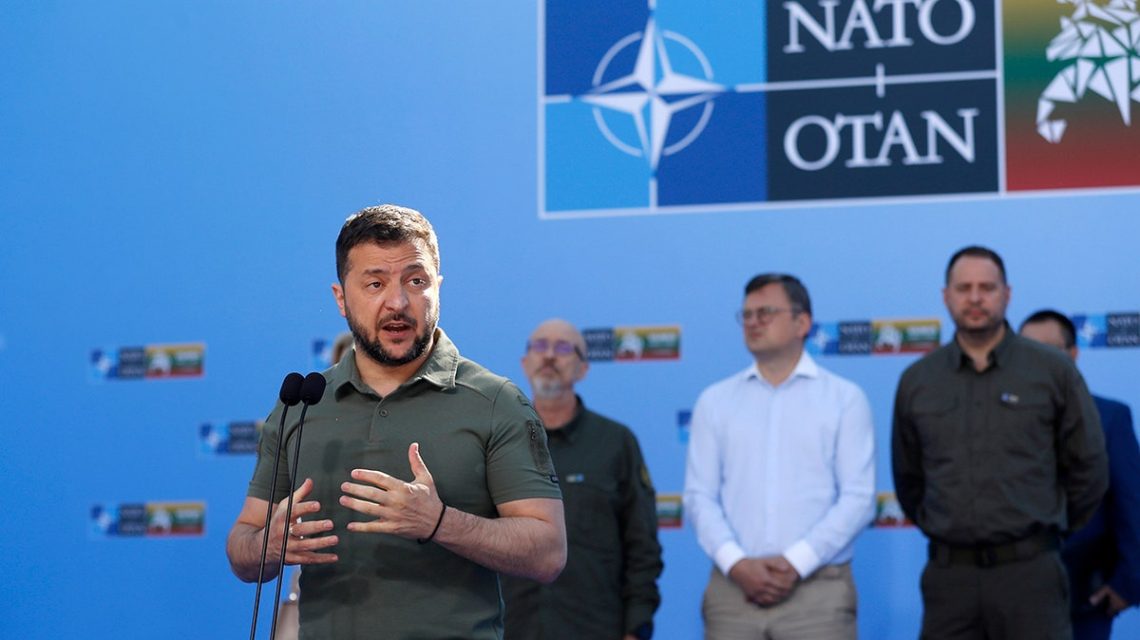
NATO’s future seems to be reshaped on Ukraine’s battlefield as the alliance deals with the evolving dynamics four years after Russia’s invasion of Ukraine. Eastern European officials see Ukraine’s military experiences as vital for rethinking war strategies.
Ukraine, now considered a leading military force in Europe, showcases advancements in drone warfare, cyber defense, and civilian resilience. These developments prompt NATO to reconsider future conflict strategies. Ukrainian President Volodymyr Zelenskyy’s invitation to the NATO summit underscores Ukraine’s significance despite its non-membership.
Challenges in Munitions and Industrial Adaptation
NATO’s munitions production is scrutinized as Secretary of State Marco Rubio highlights insufficient capacity for future defenses. Retired Lt. Gen. Richard Newton emphasizes the Pentagon’s observations of Ukraine’s rapid wartime industrial changes, stressing the need for agile capability provision.
Troop Deployments and Strategic Adjustments
Poland appreciates President Trump’s assurance of continued U.S. troop presence amidst fears of NATO’s eastern flank weakening. Russia’s invasion aimed at halting NATO’s expansion inadvertently accelerated it, with Finland and Sweden joining the alliance, reshaping security in Northern Europe.
Polish and Ukrainian officials note NATO’s geographical and ideological transformation. Poland’s Deputy Defense Minister emphasizes the shift to modern warfare where drones dominate, showcasing Ukraine’s aptitude in current battlefield conditions.
Industrial Shifts and Technological Innovations
Ukraine’s conflict-oriented IT sector shifted focus to defense innovation, resulting in advanced drone systems, battlefield communications, and weaponry production. NATO and European militaries study these developments closely for strategic planning.
Retired Gen. Philip Breedlove points out that the war unveiled the limits of traditional air power and emphasized drone warfare due to the Russian Air Force’s shortcomings.
NATO Strategy Changes
Poland’s defense official describes NATO 3.0 strategy encouraging Europe to lead its conventional defense as the U.S. addresses China and Asia-Pacific challenges. Poland’s increased defense expenditure positions it as a major military power in NATO.
Eastern European leaders believe they’ve been right about Russia’s threat, leading to enhanced eastern flank strength.
While Ukraine isn’t officially a NATO member, regional officials argue its role in shaping NATO’s future is undeniable.
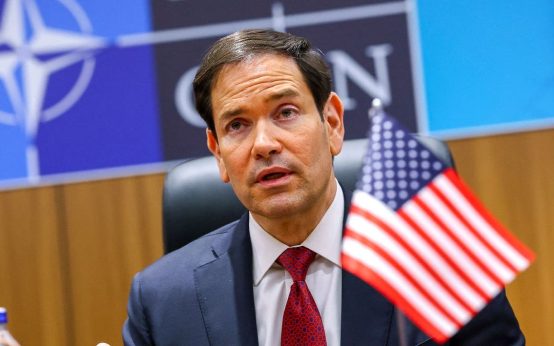 Secretary Rubio Discusses Middle East Conflict and NATO Relations
  Israeli Leader’s Upcoming U.N. Assembly Speech Marked by Controversy
  United States Secures Arctic Defense Pact
 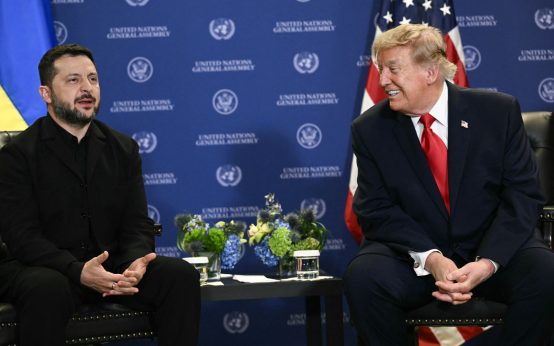 Trump’s Engagements at the UN: Focus on Ukraine and White House Developments
  Trump Administration to Admit 17,500 Afrikaner Refugees from South Africa
 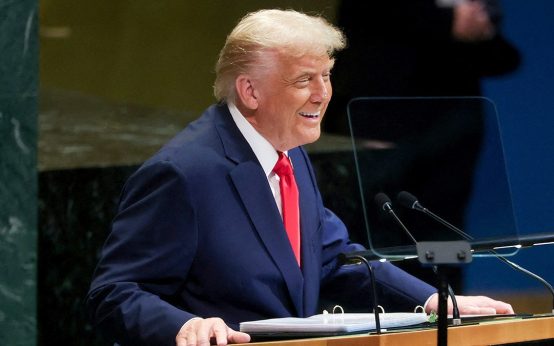 Trump’s Vision for Global Security: Iran, AI, and the Role of the U.S.