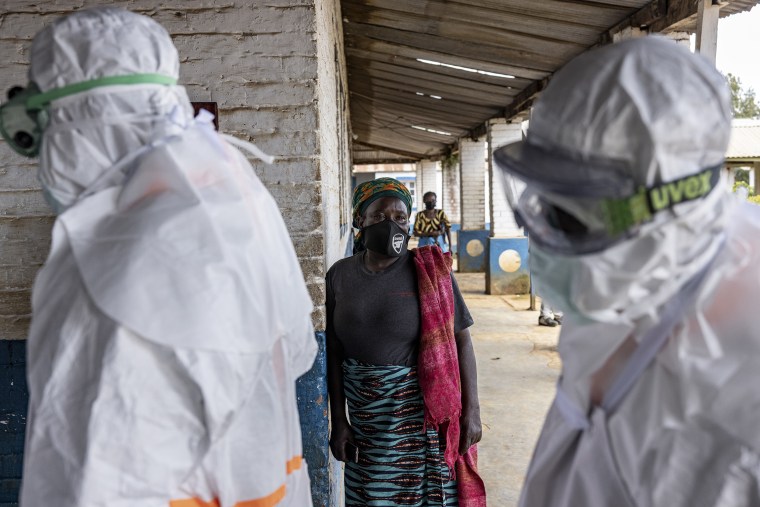
Ebola Cases in Healthcare Workers Spark Concerns
In the Democratic Republic of the Congo, one of the early cases of Ebola in the current outbreak involved a healthcare worker. Unfortunately, instead of receiving hospital care, his family attempted to treat him at home. Rose Tchwenko, Congo country director for Mercy Corps, noted that initial beliefs among the family attributed the illness to traditional practices or even witchcraft. This thought process led the family and community to manage the situation, resulting in the patient’s death and a traditional burial that likely spread the virus further.
The healthcare worker’s wife contracted Ebola while caring for him. Tchwenko highlighted enduring false beliefs about Ebola and mentioned suspicions towards humanitarian organizations and government efforts.
Community Engagement and Misinformation
In Rwampara, protesters burned hospital tents after being prevented from taking back a deceased loved one’s body for burial. Transmissions often occur during traditional funerals due to contact with infectious bodies. Healthcare workers face misinformation issues as they battle an escalating outbreak. The World Health Organization reports 750 cases and 177 deaths as of Friday, marking Congo’s 17th Ebola outbreak.
Challenges in Diagnosis and Treatment
Ky Luu, president and COO of International Medical Corps, noted potential for the worst outbreak. Usually, recent outbreaks are detected quickly, but this one went undetected, likely for weeks. Standard Ebola tests failed to identify the rare Bundibugyo strain causing this outbreak, said Alan Gonzalez of Doctors Without Borders. Tests now require sending samples to a distant lab in Kinshasa.
This strain lacks a vaccine or therapeutics, prompting reliance on isolation and contact tracing. Luu explained a previous strategy for common Zaire strain involved vaccinating individuals in contact with a sick person, but this tool is unavailable for Bundibugyo.
Struggles with Isolation Facilities
Isolating patients poses challenges due to limited facilities. In Bunia, isolation spaces for suspected cases are full, forcing the conversion of a surgical center. The outbreak feels like a growing wildfire, with teams racing to establish treatment centers and acquire local supplies.
Lack of Resources and Conflict
The U.S. State Department pledged $23 million to assist response efforts and aid organizations like International Medical Corps. However, Greg Ramm from Save the Children observed reduced humanitarian support compared to previous years, affecting operations in fewer health centers.
The outbreak’s epicenter lies in a conflict zone, dominated by various armed groups. Luu emphasized the logistical challenges due to the remote, densely populated area with ongoing conflicts, complicating surveillance and access.
 AI Prescriptions in Health Care: Utah’s New Initiative
 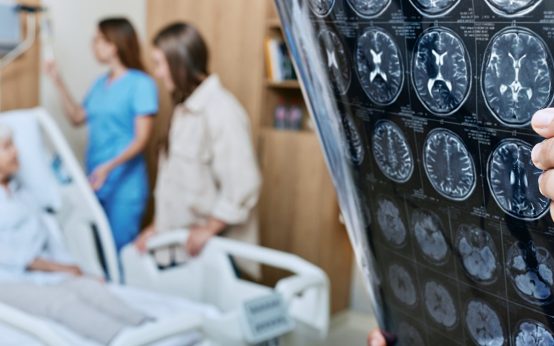 Understanding Rising Stroke Rates in Younger Populations
 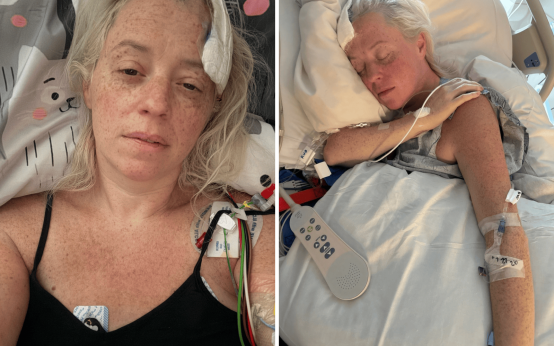 A Cat Sitter’s Medical Crisis: Understanding Brain Aneurysms
 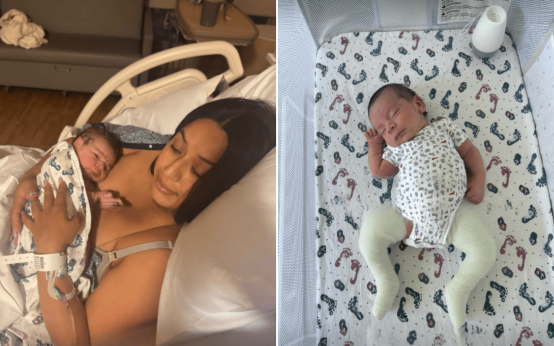 A Mother’s Journey with Her Son Born with Clubfoot
  Building Resilience: Learning from Crisis Management in Healthcare
  Bruce Arians Promotes Prostate Cancer Awareness Through NFL’s Crucial Catch Initiative