
The current situation in Cuba is dire, with over 9 million residents experiencing the country’s sixth nationwide blackout this year. The Trump administration’s approach, including a de facto naval blockade and extensive secondary sanctions, has severely impacted the island’s economy. Basic necessities are scarce, with hospitals on the brink and food supplies deteriorating.
The question of whether the U.S. will target Cuba militarily is debated. The economic measures already imposed by the United States have caused widespread hardship among ordinary Cubans, comparable to any military action but without legislative debate. A war powers resolution, pending in the Senate, may offer a solution to halt these actions and seek a negotiated resolution for genuine change.
Cubans are eager for change, which has been denied for too long by politicians on both sides of the Florida Straits. Any unauthorized military action from the U.S. would only delay this change and would contravene the U.S. Constitution. This makes strategic, legal, and humanitarian arguments against such actions compelling.
The Senate’s proposal, led by Senators Tim Kaine, Adam Schiff, and Ruben Gallego, proposes to limit further military engagements by the Trump administration near U.S. shores. Previous experiences, such as the U.S. involvement in Iran, show that Americans are wary of engaging in new military conflicts that could lead to dangerous refugee crises and regress bilateral relations.
The Senate vote is a crucial opportunity for Congress to reclaim its authority over war matters in the hemisphere before it’s too late. Despite pressure, arguments from administration officials for military action in Cuba largely rely on outdated and exaggerated claims, with assertions about Cuban threats lacking widespread support within the U.S.
Cuba’s intelligence service, although notable, does not represent the severe threat that some U.S. officials claim.
The ongoing embargo and lack of support from allies highlight Cuba’s limited influence. Alleged foreign influence does not warrant unauthorized military intervention, which seems a flimsy pretext rather than a legitimate threat. A diplomatic solution focusing on the well-being of Cubans could drive true economic and political changes there.
Recommitting to diplomacy as urged by the Senate war powers resolution aligns with both the Constitution and U.S. interests, potentially avoiding a humanitarian crisis. Such a route would promote U.S. security and commercial interests, while mitigating risks to both nations.
Lee Schlenker, associated with the Quincy Institute for Responsible Statecraft, emphasizes these points in analyzing U.S. policies toward Latin America.
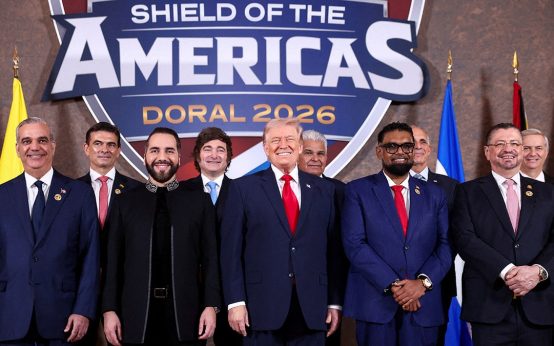 Bolivia Faces Security Challenge Amid Shield of the Americas Test
  President Trump Discusses Key Issues Before Midterm Elections
  Investigation Continues Into FlyDubai Co-Pilot Incident
  Pakistan Airstrikes in Afghanistan Kill Civilians
  States Lead in Energy Policy Amid Federal Setbacks
  California Voter Guide and Political Landscape