Introduction
The Democratic primaries for the 2026 midterm elections are testing the influence of prominent progressive leaders such as Senator Bernie Sanders and Representative Alexandria Ocasio-Cortez. These leaders have endorsed a range of progressive candidates, creating a proxy war within the party over its direction. As progressives support left-leaning challengers, party leaders and moderates are backing more centrist options.
Results from Senate races in states like Maine and House contests across the country will reveal whether the energy from the Sanders wing can be transformed into enduring power. Primary outcomes will influence Democratic candidates in November and shape their message in a highly anticipated election year.
Potential for Party Division
There is a risk that contentious primaries could fracture the party at a time when unity is crucial for reclaiming control of Congress. Some party members demand fresh, progressive leadership to counter President Donald Trump, frustrated by current leaders’ perceived weakness. Yet, a shift to more progressive candidates may alienate swing voters, endangering Democratic support in November.
Progressive Momentum
The Democratic base felt weakened after the 2024 elections when Trump defeated Vice President Kamala Harris, and Democrats suffered nationwide losses. The divide within the party stemmed from differing views; some labeled Harris as too liberal, while others believed the party failed to mobilize the base effectively.
Ahead of the midterm elections, progressives are energized. There is a call for candidates who appear as fighters in this challenging political climate, although the Democratic Party remains a mixed coalition focused more on winning than policy purity.
Challenges to Moderates
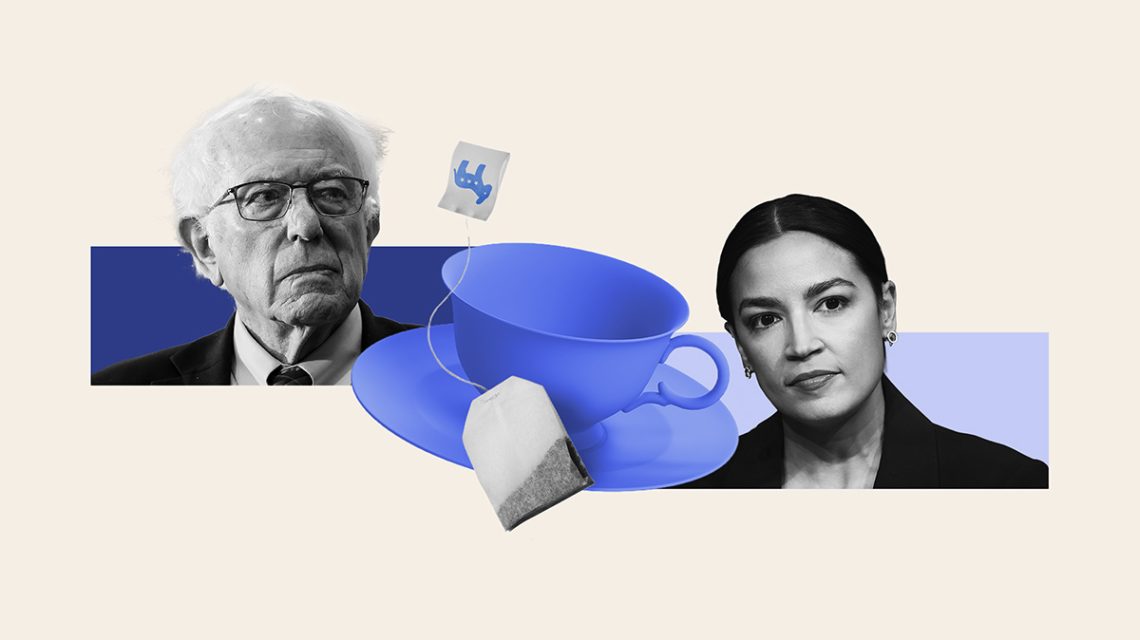
Efforts to replace moderates with progressives have parallels to the GOP’s Tea Party movement, which played a pivotal role during the 2010 midterms. The Democratic Tea Party seeks to shift the party left, similar to the early 2000s Tea Party pulling the GOP rightward.
Young progressives express dissatisfaction with the party’s stance on the Israel-Hamas conflict, a factor in their voting behavior during 2024.
Progressive Wins
Progressive victories, such as Chris Rabb winning in Pennsylvania with AOC’s support, highlight a shift. Despite varied performances in previous primaries, several progressives secured wins across states like Illinois, Texas, and New Jersey.
Notably, victories differ from the Tea Party; instead of sudden changes, progressives have steadily gained influence over electoral cycles.
Mixed Outcomes
Progressive wins are not universal. In states like Illinois and Nebraska, centrist projects performed better. Candidates like Donna Miller and Denise Powell secured nominations against progressive contenders.
The ideological divide is less stark in certain districts, with some Sanders-backed candidates achieving victories while receiving moderate support.
Upcoming Key Races
Democratic race outcomes, such as those in Michigan, could set the party’s midterm message. Michigan’s Senate race presents a test of progressive appeal in crucial swing states.
Primary challenges against long-standing incumbents in states like California, New York, and Colorado will further gauge Democratic voters’ pivot to progressive leadership.
Leadership Criticism
Democratic leaders like Chuck Schumer face criticism over their approach to Trump. Progressives demand stronger opposition tactics, fueled by dissatisfaction with past compromises. Calls for new leadership have influenced primaries, with candidates committing to support progressive policies over centrist strategies.
Moderate Expectations
La Raja highlights that moderates often succeed in contested districts. However, there’s potential for progressive success depending on voter willingness to penalize Republicans for their direction under Trump’s leadership.
Ideology might matter less in general elections, with progressives potentially performing equally well. Yet, Reeher raises concerns about the emergence of anti-Israel positions as a litmus test, warning it could harm the party and broader relations.
 Detroit Free Press Endorses Abdul El-Sayed for Michigan Senate
  Texas Senate Race Heating Up: Talarico vs. Paxton
  GOP Lawmakers Urge Action on Living Costs Ahead of Elections
  Challenges in Reducing Consumer Prices: White House Initiatives Face Setbacks
  Pentagon Updates Wounded Troops Count in Iran Conflict
  Diplomatic Dynamics: Finland and Ukraine’s Stance on Russia