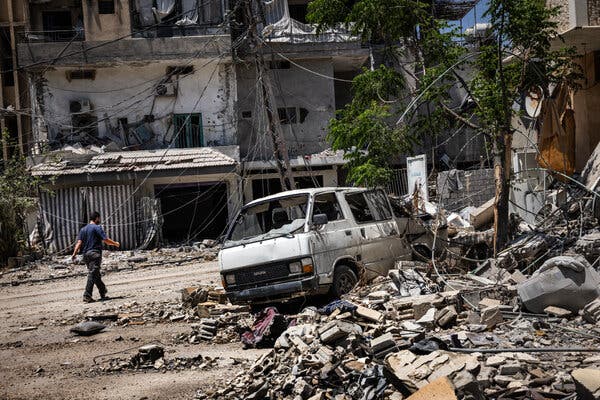
The hostilities between Israel and Iran-backed Hezbollah seemed to subside on Sunday after the Israeli government’s directive on military tactics aimed at minimizing conflict in Lebanon. This decision followed significant clashes on Friday and Saturday that posed a risk to a tentative U.S.-Iran peace agreement.
By late afternoon, there were no reports of new Israeli offensives in Lebanon or Hezbollah attacks on Israeli targets. However, whether the directive—announced late Saturday—would address the underlying tensions remained uncertain.
President Trump criticized Iran on social media, urging them to restrain their forces in Lebanon. “Iran must immediately stop their highly paid PROXIES in Lebanon from causing trouble,” he wrote, implying potential further military action against Iran should the situation remain unresolved.
Recent attempts to establish ceasefires in Lebanon have frequently failed due to disagreements on what defines defensive operations for Israeli forces. Israel’s defense minister, Israel Katz, reiterated on Sunday that there are no limits on Israeli military actions in Lebanon aimed at neutralizing threats.
The recent clashes were concentrated around Tebnit and the adjacent Ali al-Taher, areas that hold tactical significance because of their proximity to the major city of Nabatieh in southern Lebanon.
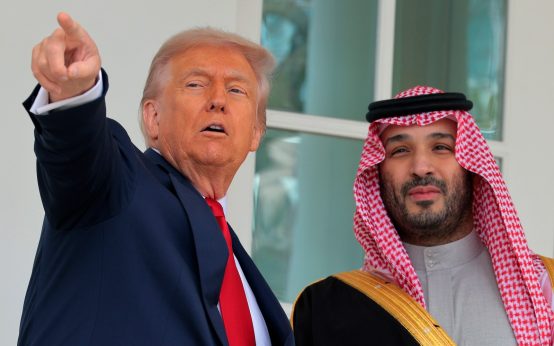 White House Approves F-35 Sales to Saudi Arabia Amidst Regional Tensions
  U.S. Tensions with Iran and the Debate Over Naval Movements
 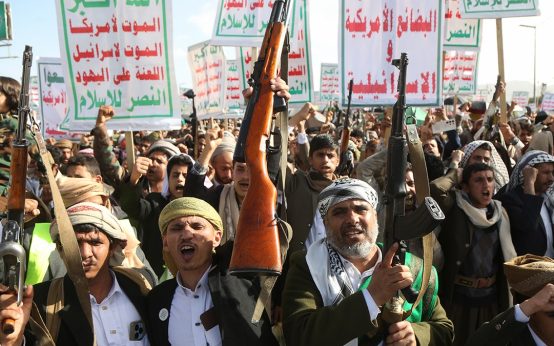 Houthis Advance Raises Financial Concerns Amid Regional Tensions
  Analysis of Iran’s Recent Ballistic Missile Production Resumption
  Saudi Crown Prince Urges U.S. Action Against Houthis
  Expert Analysis on Iran’s Strategy Amid Houthis’ Seizure of Red Sea Island