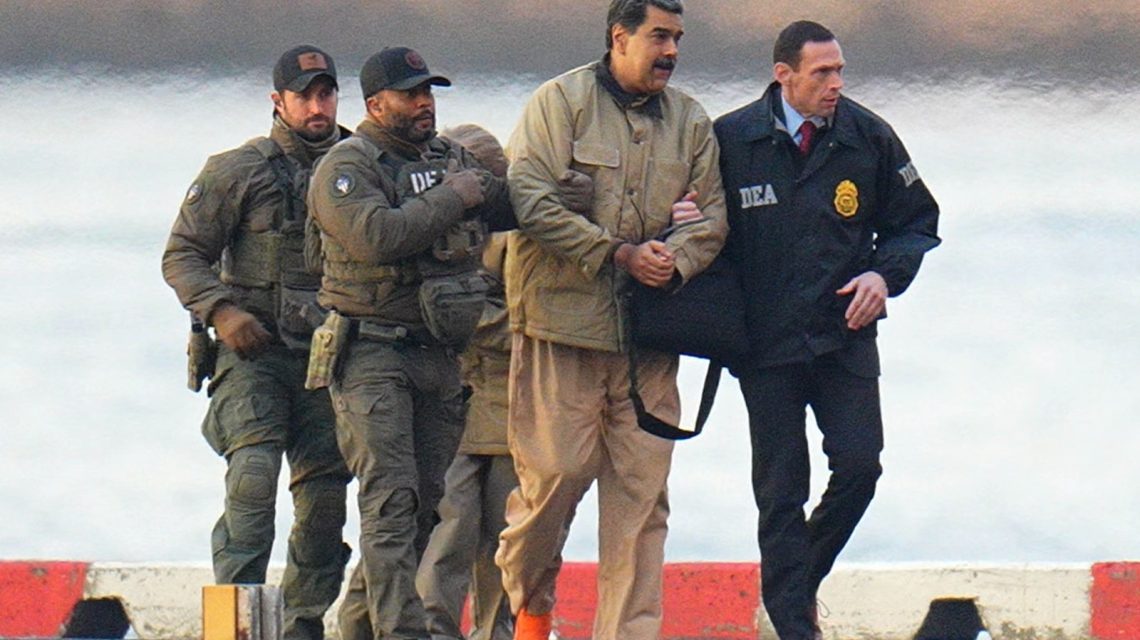
The criminal charges against former Venezuelan President Nicolás Maduro and former first lady Cilia Flores have taken a significant turn. U.S. prosecutors unveiled new charges related to torture, adding depth to an existing case that already includes narcoterrorism and cocaine trafficking. According to the allegations, the couple used state mechanisms to target adversaries and detainees, including U.S. citizens.
Superseding Indictment Details
The enhanced indictment introduces a charge of conspiracy to commit torture. This complements previous charges, suggesting a prolonged effort by Maduro and Flores to sustain power through violence and intimidation. The Justice Department claims that these actions have affected many, including U.S. citizens.
Despite the new torture charge, critical questions arise: Does this addition materially alter the case? Or does it merely add to an already significant prosecution poised to become a landmark in international criminal trials?
Arrest and Legal Proceedings
Maduro, aged 63, and Flores, aged 69, were arrested in Caracas by U.S. forces on January 3. They now face federal drug-trafficking charges in New York. Both defendants have pleaded not guilty and remain in federal custody, awaiting a trial scheduled for June 2027. Their capture concluded Maduro’s 13-year rule, transferring power to his former vice president, Delcy Rodríguez.
Statements from Legal Representatives
Maduro’s attorney, Barry Pollack, issued a statement denying the latest charges. He expressed confidence that Maduro will have a fair opportunity to refute these allegations in court.
Investigation Findings
The Justice Department shared information highlighting continued investigations after the couple’s arrest. Attorney General Todd Blanche emphasized their commitment to uncovering crimes against Venezuelans and U.S. citizens. The department detailed instances of electric shock, asphyxiation, rape, starvation, isolation, and psychological torture, alongside the existing narcoterrorism charges.
An indictment remains an allegation; the defendants are innocent until proven guilty. U.S. Attorney Jamie McDonald noted that the new charges accuse the couple of serious human rights violations involving American victims.
Legal Experts Weigh In
Case Strengthening
David Weinstein, a former federal prosecutor, commented on the potential impact of the new charge. He affirmed that the additional allegations could fortify the case by providing a wider context for jurors. The added charges could also affect the trial timeline and defense strategies.
International Law Considerations
John Cerone, an international law expert, discussed the implications of the U.S. fulfilling treaty obligations under the Convention Against Torture. He mentioned previous cases, like that of Chilean dictator Augusto Pinochet, which set precedents for prosecuting former leaders.
The new charges may prompt further actions beyond U.S. borders, as American investigations could offer valuable evidence for international bodies and foreign courts.
Future Developments
The immediate focus is whether these charges will alter the trial’s trajectory. Defense teams might request more time for preparation or try to separate the new charges from existing ones. Observers are also keen on the international reaction to these developments.
Future legal arguments could engage with international law complexities, including head-of-state immunity. While the outcome remains a jury’s decision, the new allegations have broadened the case from drug charges to potential human rights accountability.