
The Food and Drug Administration has recently approved a new sunscreen ingredient for U.S. markets. This development might seem routine, but it is noteworthy because it marks the first such approval since 1999. An outdated law from 1938 has largely contributed to this extended delay.
In Anaheim, California, a baseball player diligently applies sunscreen, a scene familiar to many Americans. However, they have not had access to certain advanced sunscreen products available in other parts of the world. These products often offer better protection against harmful UV rays.
The delay in approval of these ingredients is largely due to antiquated regulations. The 1938 law has impeded the fast-tracking of new and more effective sunscreen ingredients. This has kept consumers from accessing products that can offer improved protection and safety.
As the FDA finally moves to approve new substances, it highlights the ongoing challenges of updating regulatory frameworks to keep pace with scientific advancements. The U.S. market’s lag in providing cutting-edge sunscreen products underscores the need for regulatory reform that aligns with current health and safety standards.
 Lawsuits Claim Vision Loss Risk from GLP-1 Medications
 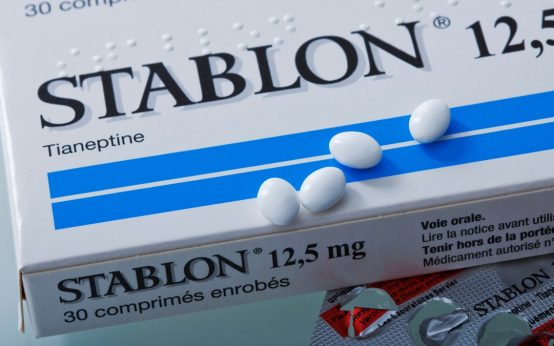 States Tighten Regulations on Tianeptine, Known as ‘Gas Station Heroin’
  Medicare Lab Test Payments: Upcoming Changes and Their Implications
  Gen Z Faces Economic Barriers to Dating and Intimacy
  Understanding and Preventing Suicide: A Public Health Priority
  Presley Gerber’s Death Highlights Concerns in Addiction Treatment Approaches