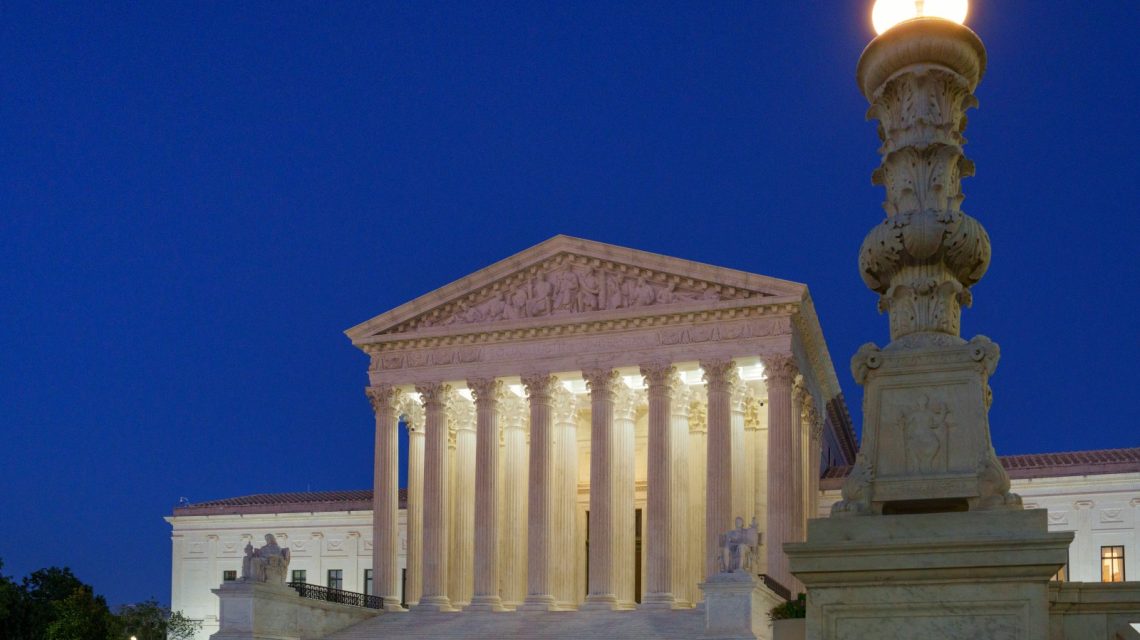
Supreme Court to Address Veterans’ Legal Challenge
The United States Supreme Court is preparing to hear a case that could impact how veterans challenge federal benefits laws deemed unconstitutional. The core issue is whether veterans can bypass the Veterans Affairs (VA) specialized review system and file lawsuits directly in federal district court. This decision could affect all veterans who believe their benefits have been unfairly reduced.
Background of Johnson v. United States Congress
Floyd D. Johnson, a Florida veteran, initiated the case. Serving in the U.S. Army between 1983 and 1985, Johnson was later convicted of several felonies and imprisoned for 40 years. During his incarceration, he was diagnosed with post-traumatic stress disorder related to his military service. He applied for VA disability benefits, receiving initially a 70 percent rate, which increased to 80 percent before being cut to 10 percent due to a cap affecting incarcerated veterans.
Johnson argued this reduction violates constitutional law, but his lawsuit was dismissed by a District Court. In 2025, the 11th Circuit Court of Appeals also denied his claim, noting Johnson filed against Congress instead of the VA, which is part of the Veterans Judicial Review Act (VJRA). Johnson’s argument cites a 1974 Supreme Court ruling, Johnson v. Robison, which permitted constitutional challenges to veteran benefits laws to bypass traditional review processes.
Implications and Opinions
Professor Kristin E. Hickman explained that Johnson v. Robison reflects the federal courts’ hesitance to allow Congress to restrict judicial review of constitutional matters. This stance was previously supported in Webster v. Doe, emphasizing judicial review for constitutional claims. Johnson petitioned the Supreme Court in December 2025, referencing Robison, and the case was scheduled for April.
The Supreme Court’s agreement to hear the appeal might stem from discrepancies regarding the VJRA and its relationship with Johnson v. Robison. Hickman noted varying opinions among lower federal courts on whether VJRA restricts veterans from bringing constitutional challenges directly to federal district courts.
Potential Outcomes
If Johnson succeeds, veterans could bring constitutional claims directly to federal courts. Advocacy groups see this as critical for veterans challenging potentially unconstitutional laws by Congress. Supporters argue the VJRA wasn’t designed to prevent traditional legal recourse for veterans.
Should the government prevail, veterans would need to adhere to the VA’s review process before accessing federal courts. The Supreme Court’s hearing is scheduled for Monday, with a decision anticipated during the 2026/2027 term.
 California Realtor Arrested for Alleged Unregistered Activities for China
 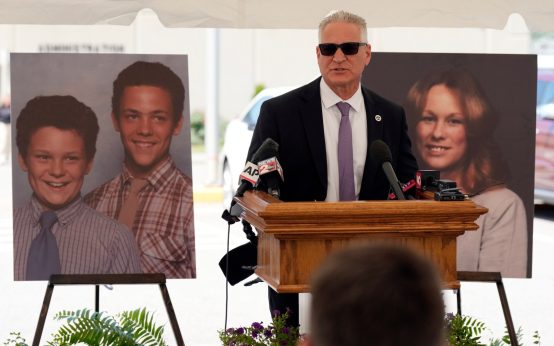 Failed Execution in Tennessee Sparks Controversy
  Legal Battles Between Halle Berry and Olivier Martinez
  Failed Execution in Tennessee Sparks Outrage
  Federal Judge Rules Police Use of Flock Cameras Unconstitutional
  Police Capture and Legal Proceedings of Luigi Mangione