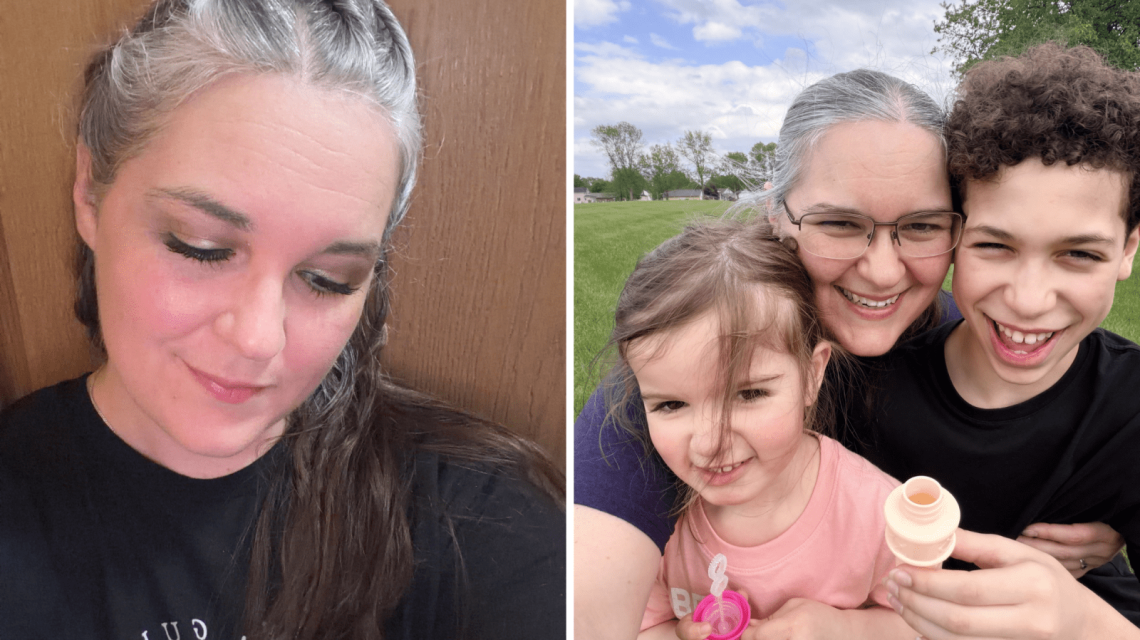
In my early twenties, I was uncertain about my future. The military seemed appealing, and by 23, I decided to start the enlistment process. It was 2010, and the journey began with medical tests, including a Pap smear, blood tests, urine samples, and an ECG. At the clinic, a doctor offered a new HIV test, which was a simple mouth swab.
The mouth swab provided quick results. I was shocked when the doctor returned, visibly shaken, with a positive HIV result. She mentioned this was her first experience with a positive test, and it was possible the result was a mistake. Further blood tests confirmed, a week later, that I was indeed HIV positive. This diagnosis was devastating, raising fears about my future and potential stigmatization.
The HIV doctor estimated that I had been living with HIV for about a year to 18 months. Despite the diagnosis, my CD4 count was normal, and my viral load was relatively low at just over 1,000.
The Path to Acceptance and Support
After hearing the news, I sought comfort from my brother. His support was immediate and unwavering, providing a much-needed sense of reassurance. Accepting the diagnosis was challenging and took several years of reflection and personal growth.
It was not until 2019 that I began to truly come to terms with my condition. I decided to embrace physical activity, healthy eating, and positive self-talk as part of my healing journey. Daily routines now include exercise, a balanced diet, and HIV medication.
Understanding and Treating HIV
HIV is manageable with proper treatment. Antiretroviral therapy helps suppress the virus, maintaining immune health and preventing transmission. Reaching an undetectable level means the virus can’t be passed on, allowing for a fulfilling life.
Educating others about HIV’s treatability is crucial to reducing its stigma. Society often views HIV through outdated lenses, but awareness and open discussion can change perceptions.
Family and Future Conversations
Discussing my diagnosis with my son began when he was 12. As he matures, he understands more about my journey. My daughter, currently too young, will also be informed when the time is right, respecting their interest levels.
Despite facing stigma, it’s important to remember that an HIV diagnosis is a new direction, not an end. Adapting and learning are key, but it doesn’t define one’s worth or potential.
Now at 39, I live in Minnesota with my children, embracing life and using platforms like TikTok for HIV awareness and education.
 Florida Reports First Dengue Fever Death as Outbreak Expands
  Patrick Clancy Shares Insights into Tragic Family Loss
  Midair Altercation on Bangladesh to London Flight
 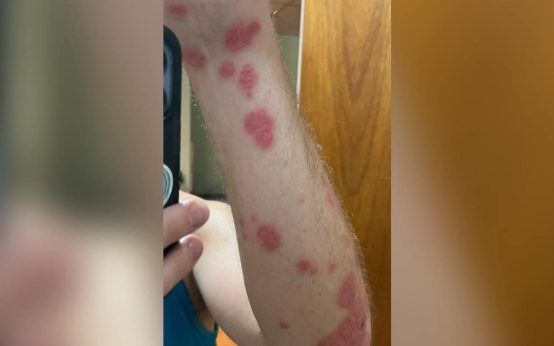 Florida Man Claims ‘Lion Diet’ Transformed Health and Life
  Revival of Organized Labor in 2026
  Concerns Over Food Safety and Its Impact on Families