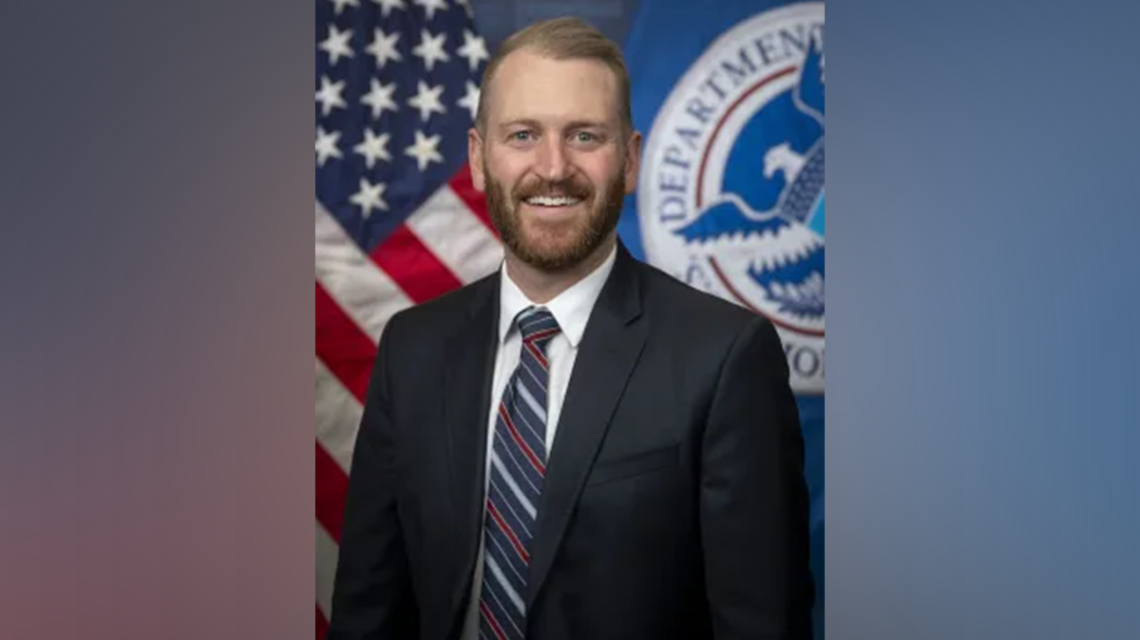
The Supreme Court has temporarily allowed the Trump administration to continue with its third-country deportation policy, as the Department of Homeland Security (DHS) defends a seldom-used immigration authority. DHS uses third-country removals when a removable individual cannot return to their home country or if that country refuses to take them back. James Percival, DHS General Counsel, claims this is part of a broader strategy to revive existing immigration authorities.
According to Percival, requesting a third country to accept deportees, especially criminals, is challenging and requires diplomatic effort. He explains, “Imagine asking a country to take someone who is a rapist, not their citizen. That’s not an easy ask. Norway would not accept a rapist from Cuba.”
The Supreme Court stayed a lower court decision restricting DHS’s policy, allowing the policy to remain while the case is further examined. Arguments are set for December, focusing on whether the procedures comply with federal immigration laws, due process, and protection against torture.
The case does not challenge the authority of DHS to conduct third-country removals, but rather the procedures used. Percival emphasized that the statute explicitly permits such actions, noting that many immigration laws have been underutilized over the years.
This third-country provision was part of the Illegal Immigration Reform and Immigrant Responsibility Act (IIRIRA) signed by President Bill Clinton in 1996. Percival compares unused authority to fine china, stating, “People are afraid if they use it, it might be taken from them. But never using it means missing its value.”
“A lot of people in government sort of treat their authority like fine china. They’re afraid if they ever actually use it, someone will take it away.” — James Percival
The effort has faced criticism from human rights advocates, pointing out allegations of mistreatment of deportees in Equatorial Guinea, a nation under President Teodoro Obiang since 1979. An agreement saw $7.5 million from the U.S. to Equatorial Guinea to accept third-country deportations.
Safety concerns linking back to the Supreme Court’s 2001 decision in Zadvydas v. Davis affect the detention of deportees. The court ruled six months of post-removal detention to be reasonable unless further detention is legally contested.
Through the “Daily Deportee” series on X, Percival highlights cases where criminals cannot be sent back to their home countries. Giving the example of Burmese national Kyaw Mya, whose country refuses him, demonstrates the policy’s implications.
The DHS aims to use underutilized tools within IIRIRA. Homeland Security Secretary Markwayne Mullin offers a $3,000 incentive and flight home for illegal immigrants wanting to return to their country.
Percival, originally from Allentown, Pennsylvania, has worked at Fox News since 2013.
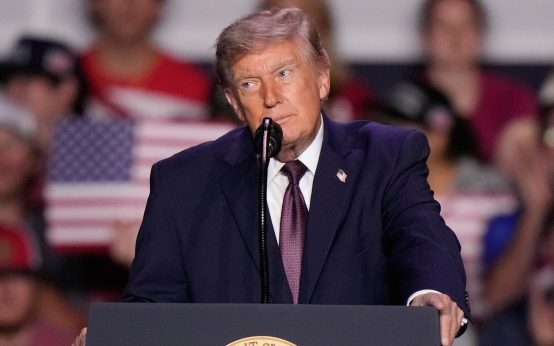 Trump’s Capital Punishment Expansion While Criticism Grows
  White House Announces Medicare Fund for One-Time Payments
 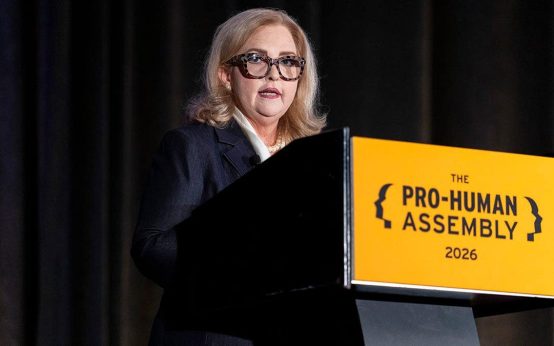 Conservative Activist Urges AI Safety Measures
  Trump Rallies in Red States Ahead of Midterms
 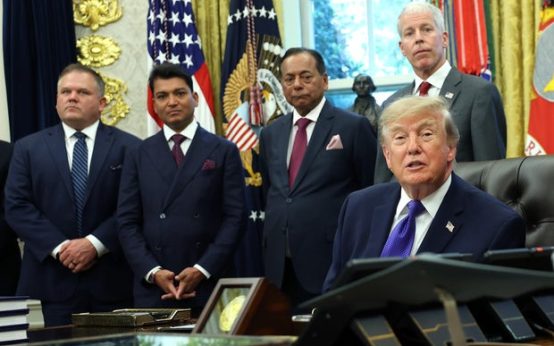 Contentious Tax Incentives Spark Debate Over Iowa Steel Plant
  Strategic Moves for Democrats Leading to Election Day